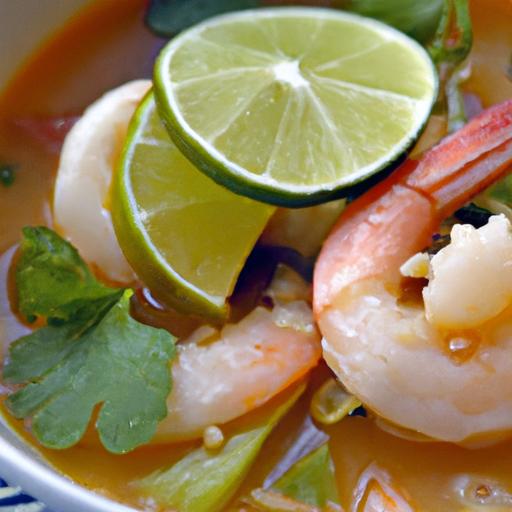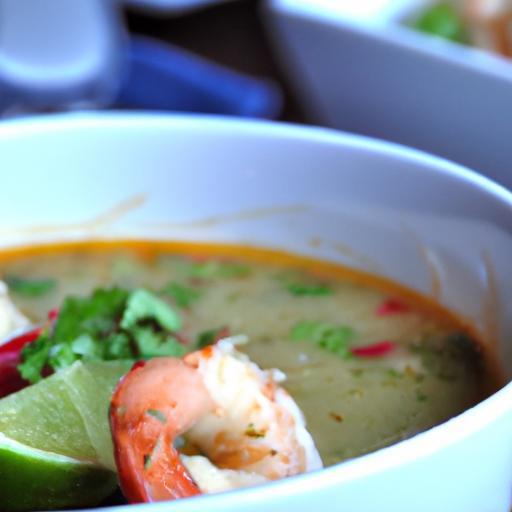
Dive into a world where bold spices meet delicate seafood, where every spoonful tells a story of tradition and vibrant culture. ”Savor the Flavors: Authentic Asian Shrimp Soup recipes” invites you on a culinary journey across bustling street markets and serene coastal villages of Asia. From the tangy zest of Thai tom yum to the comforting warmth of Vietnamese shrimp pho, these soups are more than just meals-they are liquid gateways to heritage, crafted with fresh ingredients and time-honored techniques. Whether you’re a seasoned cook or an adventurous foodie, prepare to awaken your senses and enrich your kitchen repertoire with recipes that celebrate the rich, diverse flavors of authentic Asian shrimp soups.
Savor the Flavors: Authentic Asian Shrimp Soup Recipes invite you on a sensory journey through the heart of Asian kitchens,where the magic of shrimp soup blends centuries-old traditions with vibrant,fresh ingredients. These soups are more than just comforting bowls-they are a festivity of intricate broth crafting, delicate balances of spice, and fresh herbs that awaken every spoonful. Originating from coastal regions rich in seafood and aromatic spices,these recipes reveal how simple ingredients transform into deeply soulful experiences perfect for every season.
Prep and Cook time
- Planning: 20 minutes
- Cooking: 40 minutes
- Total Time: 1 hour
Yield
serves 4 hearty portions
Difficulty Level
Medium – ideal for home cooks looking to elevate their broth skills and flavor layering techniques
Ingredients
- 500g fresh shrimp, peeled and deveined
- 2 liters water or seafood stock, homemade or low-sodium
- 1 tbsp vegetable oil
- 2 cloves garlic, minced
- 1 inch fresh ginger, sliced thin
- 1 stalk lemongrass, bruised and chopped
- 3 kaffir lime leaves
- 2 tbsp fish sauce
- 1 tbsp soy sauce, or tamari for gluten-free
- 1 small red chili, sliced (optional)
- 150g rice noodles, soaked (optional)
- Handful fresh cilantro, chopped
- Handful fresh Thai basil
- Spring onions, sliced thinly
- 1 lime, cut into wedges
- 1 tsp white pepper
Instructions
- Prepare the broth base: Heat vegetable oil in a large pot over medium heat. Add minced garlic, sliced ginger, and lemongrass. Sauté until aromatic,about 3 minutes,stirring frequently to avoid burning.
- Add water or seafood stock: Pour in 2 liters of your water or seafood stock, then toss in kaffir lime leaves. Increase heat to bring the mixture to a gentle boil.
- Simmer for depth: lower the heat and let the broth simmer uncovered for at least 30 minutes,allowing flavors to intensify and meld beautifully.
- Season the broth: Stir in fish sauce, soy sauce, and white pepper. Taste and adjust seasoning – this is the foundation of your soup’s umami punch.
- Cook the shrimp: Add fresh shrimp and sliced red chili (if using) to the simmering broth. Cook for 3-5 minutes until shrimp turn pink and opaque. Avoid overcooking to keep shrimp tender.
- Prepare noodles (optional): while shrimp cooks,drain soaked rice noodles and briefly dip in hot water to soften. Set aside for serving.
- Assemble and garnish: Divide noodles into serving bowls if using. Ladle hot broth and shrimp over noodles. top with fresh cilantro, Thai basil, and spring onions. Serve promptly with a lime wedge for squeezing.
Tips for Success
- Broth clarity: Skim off any foam or impurities during simmering for a clean, bright broth appearance.
- Freshness matters: Use the freshest shrimp possible-no frozen replacements-to maintain sweet, delicate texture.
- Herb substitutions: If Thai basil is unavailable, sweet basil or a mix of mint and cilantro can provide fresh, lively notes.
- Mild spice option: omit chili or replace with a slice of fresh jalapeño for more control over heat.
- Make-ahead: Prepare the broth base a day ahead, refrigerate, and reheat gently before adding shrimp for quick weeknight dinners.
Serving Suggestions
This shrimp soup shines best served piping hot in deep bowls to retain heat and aroma. Complement the dish with crisp spring rolls or a light cucumber salad to balance textures.For garnish, sprinkle extra fresh herbs and a drizzle of chili oil if you crave a spicy kick. A small dish of fermented chili paste on the side elevates each bite with layered complexity-a signature touch from many Asian coastal kitchens.

| Nutrient | Per Serving |
|---|---|
| Calories | 210 kcal |
| Protein | 28g |
| carbohydrates | 12g |
| Fat | 4g |
Top Regional Variations to Explore
Each Asian coastal region offers a unique twist on shrimp soup that highlights local ingredients and culinary ideology. From the zesty Thai Tom Yum with its signature lemongrass and kaffir lime to the subtle,coconut-infused Malaysian versions,experimenting with these recipes broadens your home cooking repertoire. Japanese shrimp soups emphasize clear dashi broths enriched with kombu and bonito flakes, giving a delicate umami foundation perfect for highlighting natural shrimp sweetness. Try incorporating these classic approaches for authentic Asian shrimp soup recipes that really savor the flavors of their regions.
For deeper insight into seafood broths and aromatic herbs, consider visiting FDA Seafood Safety Guidelines, which offer useful tips on selecting and handling shrimp safely at home.
Feel inspired? Check out our Asian Seafood Stews Collection for complementary dishes that pair beautifully with shrimp soups and offer a full culinary immersion.
Q&A
Q&A: Savor the Flavors – Authentic Asian Shrimp Soup Recipes
Q1: What makes Asian shrimp soups uniquely flavorful compared to other seafood soups?
A1: Asian shrimp soups boast a vibrant harmony of bold spices, fresh herbs, and umami-rich ingredients like fish sauce, ginger, and lemongrass. The balance of sour, salty, spicy, and sweet notes, often achieved through ingredients like lime juice, chili, and coconut milk, creates a complex yet comforting broth that’s distinctly bright and aromatic.
Q2: Which shrimp varieties work best in authentic Asian shrimp soups?
A2: Fresh, medium-sized shrimp with shells on are preferred to maximize flavor. Keeping the shells intact during cooking allows the broth to develop a rich, natural sweetness and depth. Tiger shrimp or white shrimp are common picks and they hold up well to simmering without becoming rubbery.Q3: Can you highlight some signature Asian shrimp soup styles and their key ingredients?
A3: Certainly! Tom Yum from Thailand features a spicy, sour broth with lemongrass, kaffir lime leaves, galangal, and fresh chili. Vietnamese canh Tom combines shrimp with fresh herbs, tomatoes, and a clear broth.Meanwhile, Malaysian Laksa delivers a creamy, spicy coconut curry base with shrimp, rice noodles, and fragrant coriander.
Q4: How can home cooks replicate the authentic aroma and taste of Asian shrimp soup in their kitchens?
A4: Start with fresh aromatics-lemongrass, ginger, garlic, and chili-and gently simmer them to release their essence. Use homemade or quality store-bought fish sauce for that signature umami punch, and balance out flavors with a squeeze of fresh lime or tamarind juice. Fresh herbs like cilantro, Thai basil, or scallions added just before serving heighten freshness.
Q5: Are there vegetarian or plant-based adaptations of Asian shrimp soups that maintain similar flavors?
A5: Absolutely! while the shrimp brings a unique seafood sweetness, you can substitute with ingredients like shiitake mushrooms or seaweed (kelp or dulse) to mimic oceanic flavors. Using vegetable broth infused with the same aromatics and fish sauce alternatives made from fermented soy or seaweed can preserve the savory depth without seafood.
Q6: What are some tips to avoid overcooking shrimp in these soups?
A6: Shrimp cook very quickly-usually just a few minutes until they turn pink and curl slightly.Add them to the soup near the end of cooking to prevent toughness. Turn off the heat as soon as the shrimp are opaque to keep them tender and juicy.
Q7: How important is the balance of spicy, sour, and sweet in these soups?
A7: It’s crucial.Asian shrimp soups thrive on this triad of flavors, each enhancing and tempering the other. Too much spice without sourness can overwhelm the palate, while excessive sour notes can overshadow subtle herbal nuances. Sweetness, frequently enough from palm sugar or coconut milk, rounds out the broth, creating a seamless, layered taste experience.
Q8: can shrimp soup be prepared in advance, or is it best served immediately?
A8: While the broth can be prepared in advance and stored, it’s best to add shrimp just before serving to ensure optimal texture. Shrimp can overcook or become rubbery if reheated multiple times. Keeping herbs fresh and garnishing just before plating preserves vibrant colors and flavors.
Q9: What accompaniments pair well with authentic Asian shrimp soups?
A9: Steamed jasmine rice or rice noodles complement the soups beautifully, soaking up the rich broth. Crisp vegetables or fresh spring rolls add texture contrasts, while a side of pickled vegetables or chili flakes lets diners customize heat and tanginess to their liking.
Q10: Are there any regional seasoning variations that significantly change the character of Asian shrimp soups?
A10: Yes! Such as, Northern Thai shrimp soups might feature dried chili flakes for smoky heat, while Southern variants lean into richer coconut milk bases. Vietnamese recipes often include fresh dill or mint, altering the herbal profile. These subtle shifts reflect local ingredient availability and cultural preferences,offering diverse yet authentic experiences with shrimp soup.
In Summary
As you wrap up your culinary journey through these authentic Asian shrimp soup recipes, it’s clear that each spoonful carries more than just exquisite flavors-it tells a story of tradition, culture, and care.Whether it’s the fragrant lemongrass of Southeast Asia or the subtle heat of a Korean broth,these soups invite you to savor not only the shrimp but the rich heritage simmered into every bowl. So next time you crave something comforting yet adventurous, let these recipes guide your ladle, transforming simple ingredients into a celebration of Asia’s vibrant taste tapestry. Happy cooking-and even happier savoring!