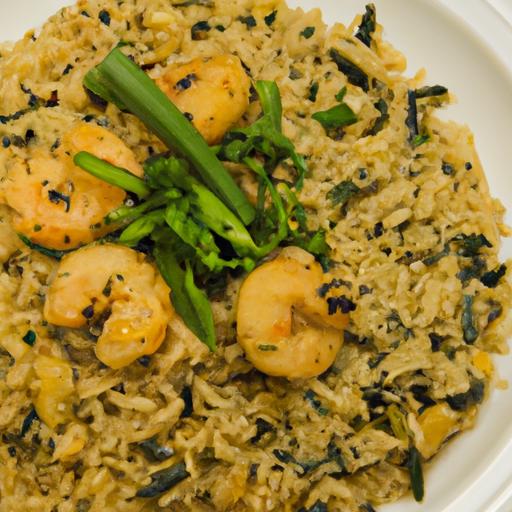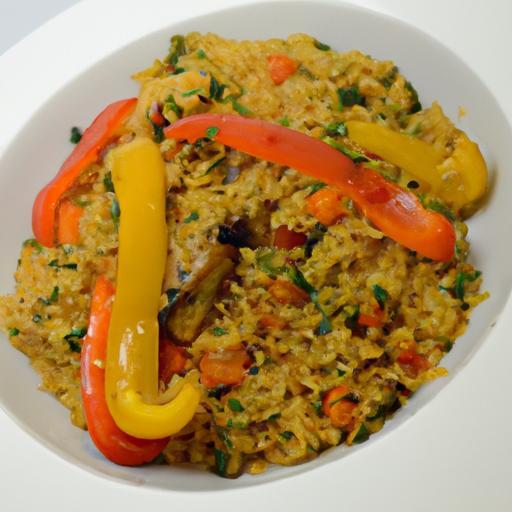
Across vast savannas, bustling markets, and vibrant coastal towns, rice weaves a flavorful thread through the culinary tapestry of Africa. “Savoring Africa: A Journey Through Rich Rice Traditions” invites you to explore more than just a staple grain-it’s a story of heritage, culture, and innovation simmered into every fragrant pot.From the spicy biryanis of Zanzibar to the hearty jollofs of West Africa, rice dishes reveal the continent’s diverse histories and shared passions. Join us as we embark on a appetizing voyage,uncovering the secrets behind Africa’s richest rice recipes and the communities that cherish them.
savoring Africa’s rich rice traditions brings you face to face with the bold, vibrant flavors defining the continent’s culinary identity. From the fragrant, spiced grains of West Africa’s Jollof rice to the delicate textures of East Africa’s pilau, each dish tells a story steeped in history, culture, and regional ingredients that make every bite a celebration.
Prep and Cook Time
- Planning: 20 minutes
- Cooking: 40 minutes
- Total Time: 1 hour
Yield
Serves 6 generously
Difficulty Level
Medium – perfect for adventurous cooks eager to master authentic African flavors
Ingredients
- 2 cups long-grain parboiled rice,rinsed thoroughly
- 4 tbsp vegetable oil (or peanut oil for a deeper flavor)
- 1 large onion,finely chopped
- 3 cloves garlic,minced
- 1-inch piece of fresh ginger,grated
- 2 medium fresh tomatoes,diced
- 1 red bell pepper,sliced thin
- 1 Scotch bonnet pepper,deseeded and chopped (optional for heat)
- 1 tsp smoked paprika
- 1 tsp ground coriander
- 1 tsp ground cumin
- 1 cinnamon stick
- 4 cups vegetable or chicken broth
- Salt and black pepper to taste
- Fresh cilantro or parsley for garnish
Instructions
- Prepare your rice by rinsing it under cold water until the water runs clear. This removes excess starch and helps keep the grains separate once cooked.
- In a heavy-bottomed pot, heat the vegetable oil over medium heat.Add the chopped onion and sauté until translucent, about 5 minutes, stirring occasionally to prevent sticking.
- add the garlic, ginger, and Scotch bonnet pepper, continuing to sauté for an additional 2 minutes until fragrant.
- Stir in the diced tomatoes and red bell pepper, cooking down for about 8-10 minutes until the mixture thickens into a rich, slightly jammy base.
- Mix in smoked paprika, coriander, cumin, and the cinnamon stick, stirring constantly for 1-2 minutes so the spices bloom and release their aroma.
- Add the rinsed rice to the pot, stirring to coat each grain in the fragrant tomato and spice mixture. This step is crucial to infuse flavor throughout the rice.
- Pour in the broth,season with salt and pepper,then bring the mixture to a boil. Once boiling, reduce the heat to low and cover the pot tightly with a lid.
- Simmer gently for 20-25 minutes, avoiding the temptation to lift the lid while cooking – this preserves steam and ensures perfectly tender grains.
- After cooking, remove from heat and let it rest covered for 10 minutes. This final steam phase fully softens the rice and melds all flavors beautifully.
- Fluff with a fork,discard the cinnamon stick,and garnish generously with fresh cilantro or parsley before serving.
Tips for Success
- For an extra layer of flavor, toast your dry spices in the pot for 30 seconds before adding the oil and onions.
- If you prefer a vegetarian take, use vegetable broth and increase the Scotch bonnet for a zesty kick.
- To avoid mushy rice, resist stirring once you add the broth and reduce heat to the lowest setting possible.
- Make-ahead tip: This recipe reheats beautifully. Store leftovers in an airtight container and gently warm on the stovetop with a splash of broth to revive moisture.
Serving Suggestions
This rice pairs beautifully with traditional African grilled chicken,spicy vegetable stews,or roasted root vegetables. For a full sensory experience, serve with a side of cooling cucumber and yogurt salad. Garnish plates with extra fresh herbs and a wedge of lime to awaken the flavors. Encourage your guests to enjoy the vibrant aromas first – a true journey through Africa’s soul via its rice traditions.

| Nutrient | Per serving |
|---|---|
| Calories | 320 kcal |
| Protein | 6 g |
| Carbohydrates | 56 g |
| Fat | 7 g |
Where to Experience Africa’s Best Rice Traditions Firsthand
Traveling through the bustling markets of Lagos, Nigeria, you’ll savor authentic Jollof rice that pulses with community spirit and culinary heritage. Meanwhile, stoneware pots simmer fragrant pilau in the spice markets of Zanzibar, each bite a sensory postcard from the Swahili coast.Exploring food festivals in Dakar or Cape town offers a unique window into the evolving rice dishes that unite varied African cultures. Dive into local cooking classes and street food stalls to witness the mastery of traditional techniques, bringing you closer than ever to these iconic meals.
For deeper insights into African culinary traditions,explore our guide on African spices and flavors and learn how to bring these magical ingredients into your everyday cooking.
Discover more about Africa’s culinary heritage and cooking techniques at the Africa.com cuisine section, a trusted external resource packed with cultural context and recipes.
Q&A
Q&A: Savoring Africa – A Journey Through Rich Rice Traditions
Q1: What makes rice such an essential part of African culinary heritage?
A1: Rice is more than just a staple in many African regions-it’s a symbol of cultural identity and community. From the vibrant markets of West Africa to the lush river valleys of East Africa, rice dishes tell stories of migration, trade, and tradition. Its versatility and ability to absorb diverse spices and flavors make it a beloved canvas for centuries-old recipes passed down through generations.
Q2: Wich African countries are renowned for their unique rice dishes?
A2: West African countries like Senegal and Nigeria are famous for iconic dishes such as Jollof rice, a vibrant one-pot meal rich with tomatoes, peppers, and fragrant spices. In East Africa, countries like Tanzania and Kenya feature pilafs and biryanis influenced by arab and Indian traders, where rice is delicately cooked with aromatic spices, nuts, and sometimes meat or vegetables, showcasing a blend of cultures.
Q3: How do african rice traditions reflect the continent’s geography and biodiversity?
A3: Africa’s diverse climates-from the coastal plains to highland terraces-allow for different rice varieties and cooking methods.in wetland areas, rice paddies flourish, resulting in fragrant and fluffy grains perfect for steaming or frying. Simultaneously occurring, upland regions adapt by incorporating local ingredients like indigenous greens, wild herbs, and native chilies, creating dishes that highlight the bountiful natural resources available.
Q4: What role do rice festivals or communal meals play in African societies?
A4: Rice festivals and communal feasts are a pivotal part of social life, frequently enough tied to harvest seasons or cultural celebrations. These gatherings foster unity, storytelling, and shared heritage, as families and neighbors come together to cook, savor, and honor recipes cherished through time. The preparation itself becomes a ritual, reinforcing bonds and preserving culinary legacies.
Q5: Are there particular spices or ingredients that are commonly paired with rice across African traditions?
A5: Absolutely. Spices such as cumin, coriander, cardamom, and cloves frequently join rice on a flavorful journey. Peppers, garlic, ginger, and fresh herbs enhance complexity, while ingredients like tomatoes, onions, and palm oil lend both richness and color.Legumes, nuts, and occasional seafood or poultry make the dishes hearty and nourishing, reflecting the diverse ecosystems where these recipes thrive.
Q6: How can someone outside Africa respectfully explore these rice traditions in their own kitchen?
A6: Begin with understanding the origins and cultural significance of each dish, sourcing authentic spices and ingredients when possible. Embrace the traditional cooking techniques-like slow simmering or toasting spices-and invite friends or family to share in the experience. Through thoughtful preparation and gratitude, home cooks can honor the rich stories woven into every grain of african rice.
Q7: What future trends are emerging in African rice cuisine?
A7: Contemporary chefs and home cooks alike are reimagining rice dishes by fusing age-old recipes with modern techniques and global influences, while still preserving core flavors.There’s a growing emphasis on sustainability, indigenous grains, and plant-based alternatives that celebrate Africa’s agricultural diversity. These innovations ensure that Africa’s rice traditions continue to evolve and captivate palates worldwide.
Wrapping Up
As we close this flavorful chapter on Africa’s rich rice traditions, it becomes clear that each grain tells a story-of heritage, of community, and of the land itself. From the aromatic jollof rice of West Africa to the savory pilafs of East Africa, these dishes are more than meals; they are vibrant expressions of culture and history simmered to perfection. Savoring Africa’s rice is not just about tasting food-it’s about experiencing the soul of a continent, one spoonful at a time. So, whether you’re a culinary adventurer or simply a curious foodie, let these timeless traditions inspire your next meal and deepen your appreciation for Africa’s diverse and delicious tapestry.