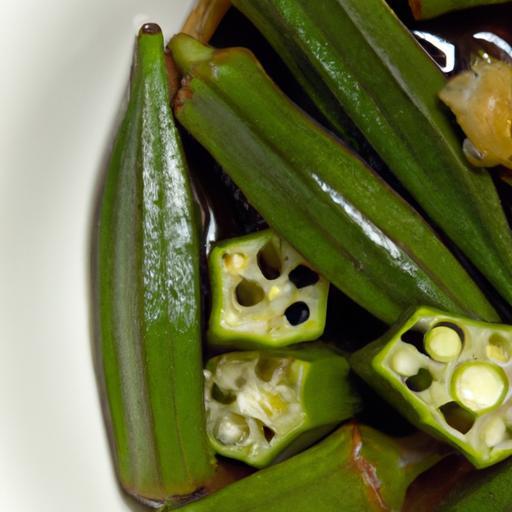
In the vibrant tapestry of African cuisine, few dishes capture the essence of tradition, nutrition, and flavor quite like okra soup. Often celebrated as a culinary gem, this hearty soup weaves together rich textures and a symphony of ingredients that nourish both body and soul.Beyond it’s distinctive slimy charm lies a nutritional powerhouse-okras brimming with vitamins, minerals, and antioxidants. Join us as we dive into the savory world of African okra soup, exploring its cultural roots, health benefits, and the art of savoring every wholesome spoonful.
The Rich Nutritional Profile of African Okra soup
Savoring African Okra Soup reveals an extraordinary blend of flavors and nutrients that have made it a beloved staple across West Africa for generations.This vibrant, hearty dish not only delights the palate with its unique texture and aromatic spices but also serves as a powerhouse of vitamins, minerals, and antioxidants essential for optimal health.The key vegetable-okra-is rich in dietary fiber, vitamin C, folate, and vitamin K, which support digestion, boost immunity, and promote healthy blood clotting.
The traditional proteins commonly used, such as lean turkey, fish, or beef, enhance the soup’s iron and protein content, providing sustained energy without excess fat.The incorporation of palm oil,despite its saturated fat content,brings in beta-carotene and other antioxidants that aid in reducing inflammation when used in moderation. The leafy greens often added-spinach,bitter leaf,or ugu (fluted pumpkin leaves)-introduce iron and calcium,contributing to balanced nutrition.
Traditional Ingredients and Their Health Benefits
Okra: Rich in blank” rel=”nofollow noopener”>fiber, vitamins A and C, and antioxidants, okra helps regulate blood sugar and supports cardiovascular health.
Palm Oil: Contains tocotrienols, a form of vitamin E that acts as a potent antioxidant.
Spinach or Leafy Greens: packed with iron and magnesium, vital for blood health and muscle function.
Proteins (Fish, Beef, Turkey): Provide essential amino acids for muscle repair and immune support.
Chili Peppers: Boost metabolism through capsaicin, promoting fat burning and pain relief.
Expert Tips for Preparing the Perfect Okra Soup
- Select fresh okra with a firm texture and no blemishes; avoid overripe pods to prevent sliminess overpowering the dish.
- For a velvety yet balanced texture, slice okra thinly, and stir gently but continuously to prevent clumping and ensure a glossy finish.
- Toast your spices lightly before adding to the soup for a deeper, more complex aroma.
- Use fresh leafy greens added late in the cooking process to retain vibrant color and maximize nutrients.
- Manage the palm oil quantity carefully – too much can mask the delicate flavors, but the right amount provides a rich, earthy backdrop.
- Simmer the soup slowly on medium-low heat to harmonize the flavors without breaking down the okra wholly.
Pairing Ideas to Elevate Your African Okra Soup Experience
To truly savor African Okra Soup,consider pairing it with traditional staples such as pounded yam,fufu,or amala. Their neutral, doughy texture complements the soup’s luscious body, making each bite a perfect blend of smooth and hearty sensations. For a lighter accompaniment, steamed rice or quinoa can provide a wholesome alternative that soaks up every drop of your flavorful creation.
For garnish, sprinkle freshly chopped scallions, a handful of toasted groundnuts, or a pinch of crushed chilies to heighten freshness and add subtle crunch. A side of fermented locust beans (iru)** also infuses authenticity and a pungent depth that balances the okra’s mildness beautifully.
Prep and Cook Time
- Readiness: 15 minutes
- Cooking: 35 minutes
- Total Time: 50 minutes
yield
Serves 4 hearty portions
difficulty Level
Medium – Ideal for cooks familiar with African spices and basic soup techniques
Ingredients
- 2 cups fresh okra, sliced thinly
- 1 cup spinach or ugu leaves, washed and chopped
- 1 medium onion, finely chopped
- 2 medium tomatoes, blended or chopped
- 1/4 cup palm oil
- 2 cups lean turkey or beef, cut into bite-sized pieces
- 1 teaspoon ground crayfish
- 2 fresh scotch bonnet peppers, deseeded and chopped (adjust to heat preference)
- 3 cups water or stock
- 1 tablespoon locust beans (iru) (optional but recommended)
- 2 cloves garlic, minced
- 1 teaspoon ground cumin
- Salt and pepper to taste
- Fresh chopped scallions for garnish
Instructions
- Prepare the protein: in a large pot, add the turkey or beef with half the onions, garlic, salt, and pepper.Pour 2 cups of water or stock and simmer on medium heat until tender, about 20 minutes. Skim off excess foam.
- Sauté the base: In a separate pan, heat palm oil over medium heat. Add remaining onions, scotch bonnet peppers, and diced tomatoes. Cook for 7 minutes, stirring occasionally until fragrant and the tomato has reduced.
- Incorporate spices and crayfish: Add ground cumin and crayfish to the sautéed mix. Stir continuously to meld the spices, for about 2 minutes.
- Combine and simmer: Add the sautéed mixture into the cooked meat pot, stirring well. Then add sliced okra and locust beans. Simmer uncovered for 10-12 minutes,stirring gently often to avoid clumping or sticking.
- Add leafy greens: Toss in the chopped spinach or ugu leaves. Cook for another 3 minutes until the greens are wilted but vibrant.
- Adjust seasoning: Taste and add salt or pepper as needed. For thicker texture, simmer a few more minutes; for soupier consistency, add a splash of water or broth.
- Final touch: Remove from heat, garnish with fresh scallions, and serve piping hot.
Chef’s Notes
- Okra Preparation: For less mucilage, soak okra in lemon juice or vinegar for 10 minutes before slicing, then rinse.
- Protein Substitute: Use freshly caught fish or shellfish for a coastal twist; add late in cooking to avoid overcooking.
- Palm oil Alternatives: Substitute with blank” rel=”nofollow noopener”>extra virgin olive oil for a milder taste and heart-health benefits.
- Make Ahead: Okra soup tastes rich after resting overnight; reheat gently with a splash of warm water or stock.
- spice Level: Adjust pepper quantities according to your preferred heat intensity.
Serving Suggestions
Present this visually stunning okra soup in deep bowls, paired traditionally with pounded yam or fufu. Drizzle a little extra palm oil on top for an inviting sheen and sprinkle toasted groundnuts or chopped fresh herbs to add texture contrast. A side of lightly fried plantains or steamed vegetables also balances the meal beautifully.
| Nutrient | Per Serving |
|---|---|
| Calories | 320 kcal |
| Protein | 28 g |
| Carbohydrates | 15 g |
| Fat | 18 g |

Discover more about traditional African dishes in our African cuisine traditions article for an enriching culinary journey.
Q&A
Q&A: Savoring African Okra Soup – A Nutritious Culinary Gem
Q1: What makes African okra soup a standout dish in African cuisine?
A1: African okra soup is celebrated for its vibrant flavors, rich textures, and wholesome ingredients. It combines the natural sliminess of okra with hearty vegetables, spices, and frequently enough protein such as fish or beef, creating a comforting and nourishing meal that’s both traditional and deeply satisfying.
Q2: Why is okra such a prized ingredient in this soup?
A2: Okra is a nutritional powerhouse packed with fiber, vitamins A and C, antioxidants, and essential minerals like magnesium. Its mucilaginous texture naturally thickens the soup, giving it a luscious body that complements the bold spices and other components perfectly.Q3: How does okra soup vary across different African regions?
A3: While the core ingredient-okra-remains constant,regional variations introduce unique flavors and textures. For example, Nigerian versions might include ingredients like palm oil and dried fish, while Ghanaian recipes might add groundnuts or tomatoes. These subtle differences reflect local tastes and available produce, enriching the soup’s diversity.
Q4: Can okra soup be adapted for different dietary preferences?
A4: Absolutely! African okra soup is incredibly versatile.It can be prepared with a variety of proteins such as chicken, beef, fish, or entirely plant-based, using mushrooms or legumes. It’s naturally gluten-free and can be enjoyed by vegetarians and vegans alike, especially when tailored with rich spices and hearty vegetables.
Q5: What are some traditional side dishes to pair with African okra soup?
A5: Okra soup pairs wonderfully with staple African sides like fufu, amala (yam flour dough), pounded yam, or eba (cassava flour dough). These soft, dough-like accompaniments are perfect for scooping the soup, enhancing the eating experience by balancing textures and flavors.
Q6: What health benefits can one expect from regularly enjoying okra soup?
A6: Regular consumption of okra soup supports digestive health due to its high fiber content, boosts immune function with antioxidants and vitamins, and contributes to heart health by assisting in cholesterol regulation.Its nutrient density combined with balanced ingredients makes it a smart and tasty addition to any diet.
Q7: How can home cooks best preserve the texture and flavor of okra when making this soup?
A7: To retain okra’s signature texture without becoming overly slimy, it’s best to add chopped okra towards the end of cooking. Searing or lightly sautéing before simmering can also reduce excess mucilage, ensuring the soup remains pleasantly thick without being overpowering.
Q8: What spices and herbs commonly enhance the flavor profile of African okra soup?
A8: African okra soup often features a fragrant blend of ingredients such as garlic, onions, chili peppers, ginger, thyme, and bay leaves. Palm oil not only adds a distinct fruity richness but also deepens the color. These vibrant aromatics elevate the humble okra, meshing into a tapestry of hearty and lively flavors.
Q9: Is african okra soup suitable for special occasions and everyday meals?
A9: Definitely! African okra soup carries both cultural meaning and everyday appeal. It’s a staple comfort food served at family gatherings, celebrations, and daily dinners alike, symbolizing warmth, tradition, and nourishment.
Q10: How can someone new to African cooking approach making okra soup for the first time?
A10: Start with a simple recipe that highlights core ingredients-fresh okra, onions, a choice of protein, and basic spices. Embrace the process of chopping and simmering, allowing the ingredients to meld. Don’t be afraid to adjust spice levels to taste. With practice, it becomes an enjoyable journey into a flavorful and healthful culinary tradition.
In Summary
As we close the pot on our exploration of African okra soup, it’s clear that this vibrant dish offers more than just comforting flavors-it serves as a nourishing testament to a rich cultural heritage. Each spoonful delivers a harmonious blend of nutrients and tradition, inviting us to savor not only its taste but also the stories simmering within. Whether enjoyed in a bustling kitchen or a quiet gathering, African okra soup remains a culinary gem worth celebrating, reminding us that food is both a source of sustenance and a bridge to the heart of a people.so, next time you tuck into this emerald-hued delight, relish it as a flavorful journey steeped in history and health.