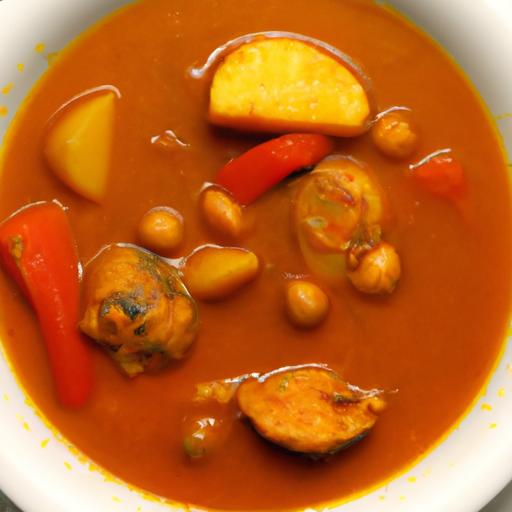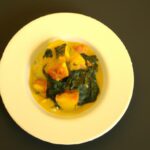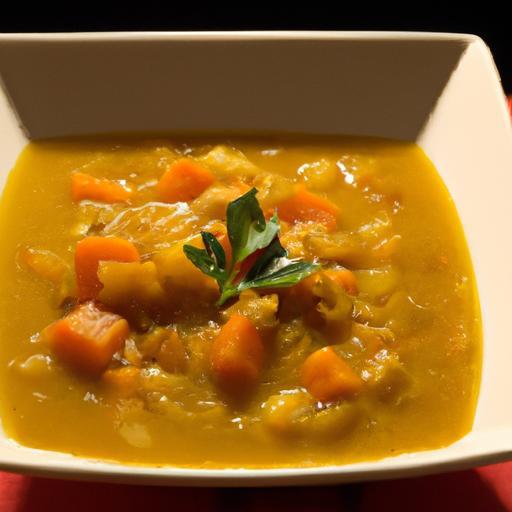
In the heart of Africa’s vibrant culinary landscape lies a dish that tells a story as rich and deep as the soil from which its ingredients are harvested-palm Nut Soup. This beloved stew, with its velvety texture and robust flavors, is more than just a meal; it is a festivity of tradition, community, and ancestral wisdom passed down through generations. From the palm-fringed coasts to bustling village kitchens, savoring African Palm Nut Soup is an immersive experience that connects the senses to history and culture. Join us as we explore the origins, preparation, and cultural importance of this sumptuous dish that continues to warm hearts and tables across the continent.
Savoring African Palm Nut Soup is an immersive journey into the heart of West African culinary heritage. This iconic soup originates primarily from countries like Ghana and Nigeria, where the luscious palm nut fruit forms the backbone of countless traditional dishes. Its velvety texture, vibrant colour, and rich savory depth make it not only a comfort food but also a celebratory staple at communal gatherings and festive events. Growing up in a ghanaian household, I vividly remember the aroma of simmering palm nuts mingling with spicy peppers and smoked fish, beckoning family members from afar to share in the delicious feast. This soup transcends mere nourishment; it tells stories of culture, community, and the land’s bounty.
Origins and Cultural Significance of African Palm Nut Soup
palm nut soup carries profound cultural significance across many African societies. Traditionally prepared in rural areas using freshly harvested palm fruits, this soup showcases the astonishing resourcefulness in African cooking-transforming simple, locally available ingredients into a dish full of texture and flavor. Across different ethnic groups, the presentation and added proteins vary but remain centered on unity and celebration. It is often served during naming ceremonies, festivals, and family reunions, symbolizing hospitality and abundance. The communal preparation of palm nuts, requiring careful extraction and blending of the pulp, further underscores the collaborative spirit embedded in the dish’s heritage.
Essential Ingredients that Bring authentic Flavor to Your Bowl
- 2 cups fresh or canned palm nut pulp (preferably fresh for authentic flavor)
- 1 lb smoked fish or dried fish (cleaned and deboned)
- 1 cup chicken thighs, skinless and chopped (optional for added richness)
- 2 medium tomatoes, blended
- 1 medium onion, finely chopped
- 3 cloves garlic, minced
- 1 tablespoon grated fresh ginger
- 2 Scotch bonnet peppers (adjust based on heat preference)
- 4 cups water or stock (vegetable or chicken)
- 2 tablespoons palm oil
- Salt to taste
- 1 teaspoon smoked paprika (optional, for smokiness)
- Fresh basil or scent leaves (for garnish)
Prep and Cook Time
- Prep time: 25 minutes
- Cook Time: 1 hour
- Total Time: 1 hour 25 minutes
Yield
- Serves 6 hearty bowls
Difficulty Level
- Medium – requires some prep for palm nuts and layering of flavors
Step-by-step Guide to Perfecting Your Palm Nut Soup at Home
- Prepare the palm nut pulp: If using fresh palm nuts, boil them for 30 minutes until soft.Pound or blend them with warm water until the pulp releases. Strain the mixture through a fine sieve, extracting the rich, creamy juice. if canned pulp is used, simply rinse and set aside.
- Sauté aromatics: Heat palm oil in a large pot over medium heat. Add chopped onions, garlic, and grated ginger. Sauté until golden and fragrant, about 5 minutes, stirring frequently to prevent browning.
- Add blended tomatoes and peppers: Stir in the blended tomatoes and Scotch bonnet peppers.Cook down for 10 minutes, allowing the mixture to reduce and thicken, stirring occasionally.
- Introduce proteins: Add smoked fish and chicken thighs (if using). Stir gently to combine with the sauce,letting the flavors marry for 5 minutes.
- Incorporate palm nut pulp: Pour the strained palm nut pulp or canned equivalent into the pot. Stir well, then add water or stock to achieve the desired soup consistency.
- Simmer: Reduce heat to low and simmer for 40-45 minutes, stirring occasionally. Taste midway and season with salt and smoked paprika. The soup should transform into a silky, richly colored masterpiece with the proteins tender and infused with flavor.
- Finish with fresh herbs: Just before serving, stir in chopped basil or scent leaves for a burst of freshness and aroma.
- Serve hot: Ladle your palm nut soup into bowls, ensuring everyone gets enough smoked fish and tender chicken pieces in each serving.
Chef’s Notes: Tips for Success
- For the most authentic color and flavor,fresh palm nut pulp is preferred,but canned can be a convenient substitute while retaining deliciousness.
- The longer you simmer, the richer and thicker the soup becomes-adjust water quantities carefully if you prefer a lighter broth.
- Smoked fish is key-it imparts a distinctive depth and earthy smokiness. If unavailable,dried seafood or even a small amount of smoked paprika can enhance the profile.
- Balance heat with Scotch bonnet peppers; remove seeds for a milder version while maintaining vibrant flavor.
- Make ahead: This soup tastes even better after a day as the flavors fully meld. reheat gently on the stove, adding a splash of water if too thick.
Pairing Palm Nut Soup with Traditional Sides for a Complete Experience
The elegance of Savoring African Palm Nut Soup lies in how beautifully it pairs with time-honored West African staples. Fufu-pounded cassava, yams, or plantain-provides the perfect neutral base for soaking up the soup’s rich essence. Alternatively, steamed rice or banku (fermented corn and cassava dough) offers contrasting textures and subtle tanginess. For a well-rounded plate, serve alongside sautéed greens like kontomire (cocoyam leaves) or vegetable medleys dressed simply with palm oil.Garnish with fresh herbs or a dash of spicy pepper sauce for those who crave an extra kick. This pairing elevates every spoonful into a culturally immersive, soul-satisfying meal.
| Nutrient | Per Serving |
|---|---|
| Calories | 320 kcal |
| Protein | 28 g |
| Carbohydrates | 12 g |
| Fat | 18 g |

Explore more about African traditional soups and dive deeper into their roots and recipes. For extensive nutritional data and the health benefits of palm nuts, visit the Harvard T.H. chan School of Public Health.
Q&A
Q&A: Savoring African Palm Nut Soup – A Rich Culinary Tradition
Q1: What is African palm Nut Soup, and what makes it unique?
A1: African Palm nut Soup is a beloved traditional dish deeply rooted in West african cultures. It features a luscious, creamy base made from the pulp of palm nuts, which gives the soup its distinct reddish-orange hue and rich, slightly sweet flavor. Unlike more common tomato-based soups, the palm nut pulp provides a velvety texture and an earthy, nutty undertone that makes this dish truly unique.
Q2: Which regions and communities are known for preparing Palm Nut Soup?
A2: Palm Nut Soup is especially popular in countries like Ghana, Nigeria, and Sierra Leone. each region adds its own twist, whether through spices, accompaniments, or preparation methods, reflecting the diversity of West African culinary traditions. It often features prominently at festive occasions and communal gatherings, symbolizing warmth and togetherness.
Q3: What are the main ingredients of a traditional Palm nut Soup?
A3: at its heart, the soup combines fresh or canned palm nut pulp with ingredients such as smoked or dried fish, assorted meats (excluding pork), fresh vegetables like okra or tomatoes, and a blend of local spices including chili peppers, ginger, and garlic.The careful balance of these components creates a harmonious and deeply satisfying flavor profile.
Q4: How is the palm nut pulp prepared for the soup?
A4: Palm nuts are boiled until soft, then pounded or blended to separate the pulp from the nuts and shells. The pulp is then strained to obtain a smooth,oily paste that forms the soup’s base. This process is traditionally labor-intensive but crucial for achieving the authentic taste and texture that characterize the dish.
Q5: What dishes are commonly served alongside Palm Nut Soup?
A5: Palm Nut Soup is often paired with starchy side dishes such as fufu (pounded yam or cassava), amala (yam flour dough), or rice balls. These accompaniments are perfect for scooping up the rich soup, creating a hearty and fulfilling meal that’s both comforting and celebratory.
Q6: Are there vegetarian versions of Palm Nut Soup?
A6: Absolutely! While many traditional recipes include fish or meat for depth, vegetarian versions are made by focusing on fresh vegetables and robust spices. Ingredients like mushrooms,eggplant,or okra can be used to introduce texture and flavor without animal proteins,making the soup accessible to diverse dietary preferences.
Q7: What cultural significance does Palm Nut Soup hold?
A7: beyond its culinary appeal, Palm Nut Soup holds profound cultural importance. Its often associated with hospitality, family, and heritage. passing down recipes through generations helps preserve ancestral knowledge and reinforces community bonds. Sharing this soup is a way of honoring tradition and celebrating identity.
Q8: How can someone new to African cuisine best experience Palm Nut Soup?
A8: For those unfamiliar with African flavors, starting with a well-balanced Palm Nut Soup recipe is key. Seek out authentic ingredients at specialty markets or online, and don’t shy away from the cooking process-it’s part of the adventure! Pairing the soup with a familiar starch like rice can definitely help ease into the rich, exciting tastes of West Africa.
Q9: Can Palm nut Soup be adapted for modern cooking styles?
A9: definitely! While preserving the essence of the dish, modern cooking techniques-such as using a blender for the pulp or pressure cooking to reduce prep time-can make the process more accessible. Additionally, creative chefs might experiment with new vegetables or seasoning blends while honoring traditional flavors.
Q10: Why has Palm Nut Soup endured as a cherished dish across generations?
A10: Palm Nut Soup endures as it embodies more than sustenance; it’s a sensory celebration of community, history, and the fertile landscapes of West Africa.Its rich,comforting flavor invites connection to the land and culture,making it a timeless culinary treasure that continues to nourish both body and soul.
To Conclude
As the final spoonful of African Palm nut Soup lingers on the palate, it becomes clear that this dish is far more than a mere meal-it is indeed a vibrant tapestry woven from centuries of tradition, culture, and community. the rich, creamy depths of the palm nut broth tell stories of harvest celebrations, familial bonds, and the enduring spirit of African culinary heritage. To savor this soup is to taste history itself, inviting us to appreciate not only its bold flavors but also the hands and hearts behind every simmering pot. Whether enjoyed around a bustling market stall or a family table, African Palm Nut Soup remains a delicious reminder that food is a powerful vessel connecting us to the past, nourishing the present, and inspiring the future.