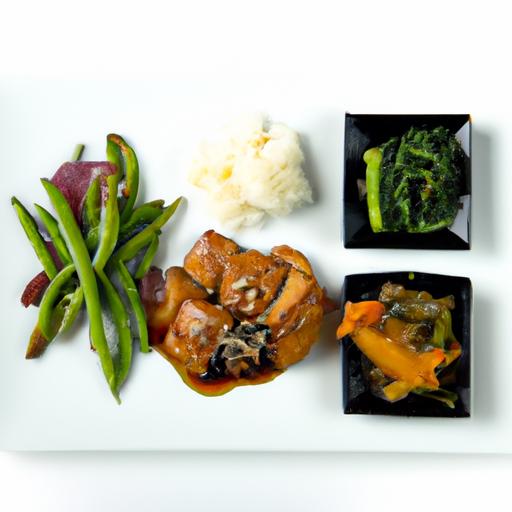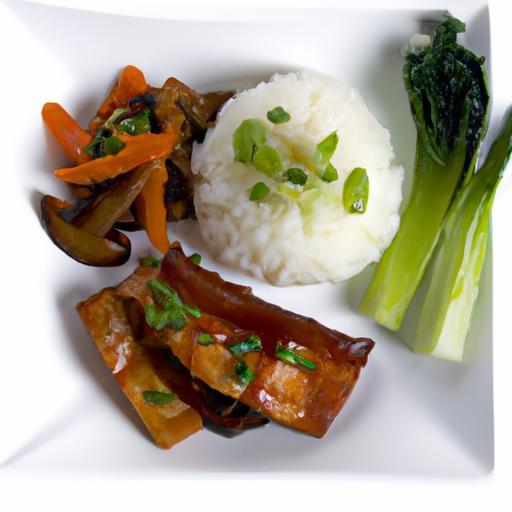
Asia’s culinary landscape is a vibrant tapestry woven with bold spices, delicate aromas, and time-honored techniques that have been perfected over centuries. Among the many treasures this vast continent offers, teriyaki stands out as a beloved flavor that has delighted palates both within and beyond Asia’s borders. From the sizzling streets of Tokyo to cozy family kitchens in Osaka, teriyaki dishes tell a story of balance-sweet and savory, smoky and tender. In this flavorful journey, we will explore the origins, variations, and cultural meaning of teriyaki, uncovering the secrets behind its irresistible glaze and the diverse ways it enriches Asian cuisine. Join us as we savor Asia through the unmistakable taste of teriyaki, one delectable bite at a time.
Teriyaki sauce captivates with its perfect harmony of sweet,salty,and umami notes-an iconic Asian condiment that has woven itself into kitchens worldwide. From humble beginnings in Japan’s Edo period,this versatile sauce continues to inspire culinary creativity,embodying centuries of tradition while inviting innovative twists. Prepare to master the art of teriyaki sauce as we uncover its rich heritage,essential ingredients,and techniques that bring out its signature glossy,deeply flavorful character.
Prep and Cook Time
- Preparation: 10 minutes
- Cooking: 15 minutes
- Total Time: 25 minutes
Yield
Approximately 1 cup of teriyaki sauce (serves 4-6 as a glaze or marinade)
Difficulty Level
Easy – perfect for both novice and seasoned cooks
Ingredients
- 1/2 cup soy sauce (preferably low sodium for balanced saltiness)
- 1/4 cup mirin (sweet Japanese rice wine)
- 2 tablespoons sake (Japanese rice wine, optional but authentic)
- 2 tablespoons granulated sugar
- 1 teaspoon freshly grated ginger (adds warmth and depth)
- 1 clove garlic, minced (optional, for a subtle aromatic layer)
- 1 tablespoon cornstarch (mixed with 2 tablespoons cold water to create slurry)
Instructions
- Combine soy sauce, mirin, sake, and sugar in a small saucepan over medium heat, whisking gently until sugar dissolves entirely.
- Add grated ginger and minced garlic, stirring to infuse the sauce with aromatic depth.simmer for about 5 minutes, allowing flavors to mingle beautifully.
- Slowly pour the cornstarch slurry into the simmering sauce while whisking continuously to prevent lumps.
- Continue to cook and stir until the sauce thickens to a glossy glaze consistency,approximately 3-5 minutes. Remove from heat.
- Let the sauce cool slightly before using it as a marinade, dipping sauce, or glaze for your favorite proteins and veggies.
Tips for Success
- Use fresh ginger and avoid bottled versions to achieve an authentic, radiant warmth.
- Adjust sweetness by tweaking the sugar amount or swapping for honey for a floral depth.
- For a thicker glaze, increase the cornstarch slurry slightly, but add it gradually to avoid clumping.
- If you prefer gluten-free, substitute soy sauce with tamari.
- Make ahead and refrigerate in an airtight jar for up to one week; gently reheat before use.
Serving Suggestions
Brush this luscious teriyaki sauce over grilled chicken skewers, seared salmon, or crispy tofu for a brilliant sheen and irresistible flavor. Serve with fluffy steamed jasmine rice, sautéed bok choy, or crunchy pickled vegetables to complement the richly glazed main. Garnish with toasted sesame seeds and thinly sliced green onions for a final touch of elegance and texture.
| Nutrient | Per 2 Tbsp Serving |
|---|---|
| Calories | 45 |
| Protein | 2g |
| Carbohydrates | 8g |
| Fat | 0g |

For a deeper dive into authentic Asian condiments and how teriyaki fits into broader culinary traditions, explore our comprehensive guide to Asian sauces. To learn about the health benefits and fermentation process of soy sauce, visit the authoritative resource at Soy Sauce Association.
Q&A
Q&A: Savoring Asia: A flavorful Journey Through Teriyaki Dishes
Q1: What exactly is teriyaki, and where dose it originate from?
A1: Teriyaki is a beloved Japanese cooking technique and flavor profile that involves grilling or broiling foods glazed with a luscious, shiny sauce made primarily of soy sauce, mirin (sweet rice wine), and sugar. originating in Japan, the word “teriyaki” combines “teri” (meaning shine or luster) and “yaki” (to grill or broil), highlighting the sauce’s glossy finish and cooking method.
Q2: What makes teriyaki sauce so unique compared to other Asian sauces?
A2: Unlike some spicy or sour Asian sauces, teriyaki strikes a harmonious balance between sweet and savory with just a hint of umami. Its simplicity is its brilliance – the sugar caramelizes during cooking, creating that signature sticky glaze that brilliantly coats everything from chicken to tofu, infusing each bite with rich, layered flavor.
Q3: What are the common ingredients used alongside teriyaki in traditional dishes?
A3: Beyond the foundational teriyaki sauce, classic dishes often incorporate tender chicken thighs, fresh salmon, or savory beef cuts. Vegetables like shiitake mushrooms, green onions, and crunchy snap peas add textural contrast. Many dishes are served over fluffy white rice or alongside pickled vegetables, allowing the teriyaki’s bold flavor to truly shine.
Q4: How has teriyaki evolved beyond Japan?
A4: Teriyaki has embarked on a flavorful global journey, adapting to regional tastes and ingredients.In the U.S., for instance, teriyaki chicken bowls topped with grilled pineapple or sesame seeds fuse tropical sweetness and nuttiness. In Southeast Asia, it sometimes mingles with hints of ginger or chili, adding unexpected warmth. This evolution celebrates teriyaki’s versatility and universal appeal.
Q5: Can teriyaki be vegan or vegetarian-friendly?
A5: Absolutely! While traditional teriyaki recipes tend to feature meats or fish, the sauce itself is inherently plant-based. Tofu, tempeh, eggplant, or mushrooms become fantastic carriers of teriyaki’s savory-sweet goodness. Grilled or pan-seared, these ingredients soak up the sauce’s rich depth, making teriyaki a marvelous option for plant-powered palates.
Q6: What tips can home cooks use to perfect teriyaki dishes?
A6: To craft teriyaki magic at home, balance is key – adjust sweetness and saltiness to your preference by tinkering with the sugar and soy sauce ratio. Marinate your protein for at least 30 minutes to infuse flavor, then cook on medium heat to let the sauce thicken and caramelize without burning. Don’t forget a splash of freshness – garnish with chopped scallions or toasted sesame seeds to elevate presentation and texture.
Q7: Why has teriyaki become a symbol of Asian cuisine’s global influence?
A7: Teriyaki embodies the beauty of culinary fusion – simple yet complex,traditional yet adaptable. Its ease of preparation and comforting flavors resonate worldwide, inviting food lovers to experience a taste of Asia’s rich heritage with every glossy, flavorful bite. Through teriyaki, diners partake in a cultural exchange that celebrates flavor, artistry, and shared human connection.
Concluding Remarks
As the aroma of teriyaki lingers in our memories, we find that this beloved sauce is more than just a glaze-it is indeed a tasty thread woven through the rich tapestry of Asian cuisine. from the sizzling grills of Japan to inventive modern twists in fusion kitchens, teriyaki invites us to savor each bite as a celebration of tradition, flavor, and cultural storytelling. Whether you’re a seasoned foodie or a curious home cook, this flavorful journey through teriyaki dishes opens a door to endless culinary explorations. So next time you dip into that glossy, savory-sweet sauce, remember: you’re tasting a piece of Asia’s vibrant heritage, one irresistible dish at a time.