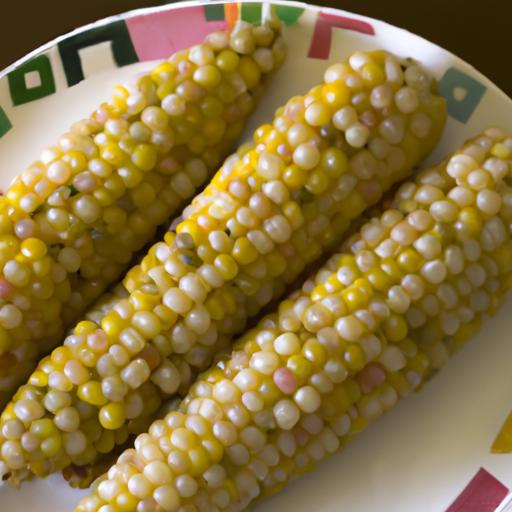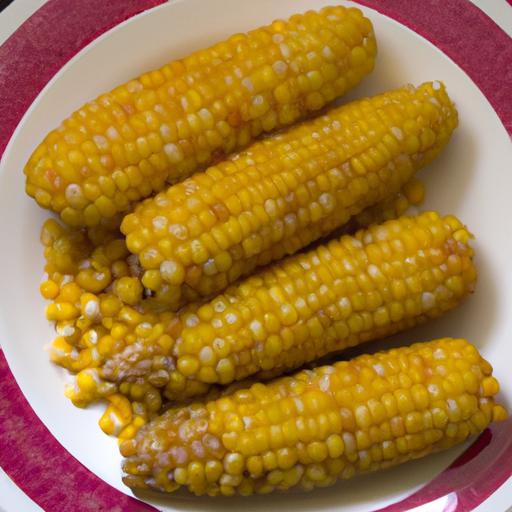
In the heart of Africa’s vibrant culinary heritage lies a world of flavors transformed by time and tradition-fermented corn recipes that have been lovingly passed down through generations. These dishes, rich in history and culture, are more than just food; they are a celebration of community, resilience, and the art of fermentation. From the tangy porridge bowls that greet morning sunrises to the hearty snacks shared during festive gatherings, African fermented corn recipes offer a unique glimpse into a continent’s soulful palate. Join us as we unveil the secrets behind these age-old recipes, exploring their origins, planning, and the distinctive tastes that continue to captivate and nourish.
Savoring tradition through African fermented corn recipes unveils not only vibrant flavors but also deep cultural roots that have nourished communities for centuries. From the bustling markets of Nigeria to the conventional kitchens of Ghana, fermented corn dishes are a testament to ingenuity and heritage. each region embraces unique fermentation techniques, infusing the humble corn kernel with tangy complexity and hearty nutrition that carry stories of ancestors and celebrations alike.
Prep and Cook Time
- Preparation: 12 hours soaking + 2 hours initial processing
- Fermentation: 2-3 days (depending on climate and desired sourness)
- Total Time: Approximately 3 days
Yield
- 4 servings of fermented corn porridge or base for other dishes
Difficulty level
- Medium – Requires patience and attention during fermentation
Ingredients
- 2 cups dried white or yellow corn kernels, cleaned and rinsed
- 3 cups filtered water (for soaking and fermentation)
- 1 teaspoon dried millet malt or sorghum malt (optional, for enhanced fermentation)
- Pinch of non-iodized salt (to taste during serving)
- Banana leaves or cheesecloth (for covering during fermentation)
Step-by-Step Instructions to Master Traditional African Corn Fermentation
- Soak the corn kernels: Place the cleaned corn in a large bowl and cover with filtered water. Let it soak at room temperature for 12 hours (overnight is ideal). This softens the kernels and initiates natural enzymatic activity.
- Remove the hulls: Drain the soaked corn and rub the kernels vigorously between your hands to loosen the hulls. Rinse repeatedly and discard any hulls that float to the surface. The hull removal enhances fermentation quality and texture.
- Wet milling: Using a traditional mortar and pestle or an electric blender, grind the soaked corn with a little water until a smooth, thick batter forms. Be sure to use short pulses if using a blender to avoid overheating the batter.
- Initiate fermentation: Transfer the batter into a clean clay pot or glass container. Add the millet malt if using. Cover the container with a clean cheesecloth or banana leaves to keep out insects but allow air circulation.
- Ferment: leave the batter at room temperature for 2 to 3 days. Depending on your area’s temperature, taste the batter daily; it should develop a pleasant, tangy aroma and slightly effervescent texture without any foul odor.
- Prepare for cooking: After fermentation, stir the batter gently to release trapped carbonation. Add a pinch of salt if desired.
- Cook the fermented corn: Pour the batter into a saucepan over medium heat. stir continuously until it thickens into a smooth porridge-like consistency, about 10 minutes.
Tips for Enhancing Flavor and Preserving Authenticity in Homemade Recipes
- Temperature Control: Keep the fermenting batter between 70-85°F (21-29°C) to encourage optimal microbial activity. Too cool and fermentation slows; too warm and off-flavors may develop.
- Malt Addition: Incorporating millet or sorghum malt introduces natural enzymes and wild yeasts, resulting in nuanced sourness and complexity.
- Use Fresh, Clean Water: Filtered water prevents unwanted bacteria and off-flavors.
- Cover Properly: Using breathable covers like banana leaves or cheesecloth helps maintain tradition, prevents contamination, and promotes healthy fermentation.
- Patience is Key: Resist rushing fermentation. The tangy depth is worth the wait and key to authenticity.
- Variations: Experiment by blending in roasted corn or adding spices such as ground ginger or kaffir lime leaves after cooking for a vibrant twist.
Chef’s Notes
- Substitution: If millet malt is unavailable, wild fermentation alone will still produce traditional flavors, though milder.
- Storage: Refrigerate fermented batter if not cooking promptly to slow fermentation and enjoy within 3 days.
- Troubleshooting: If a strong ammonia scent develops, discard and clean utensils thoroughly before retrying-this indicates over-fermentation or contamination.
- Make Ahead: Prepare the fermented batter in advance for traditional porridge dishes, pancakes, or steamed cakes (like Nigerian Akamu or Ghanaian Koko).
Serving Suggestions
Serve the warm fermented corn porridge elegantly in rustic clay bowls or handcrafted ceramic dishes for an authentic touch. Garnish with freshly chopped roasted peanuts, a drizzle of coconut cream, or a sprinkle of toasted millet flour to heighten texture and flavor layers. Pair with lightly spiced vegetable stews or savory greens for a complete cultural experience.For an exciting contrast, add a spoonful of palm oil-infused pepper sauce alongside.

| Nutrition | Per Serving |
|---|---|
| calories | 180 kcal |
| Protein | 5g |
| Carbohydrates | 38g |
| Fat | 1g |
Discover more into the tradition of African staples and how they transform kitchens worldwide in our comprehensive guide to African grain recipes. For a scientific perspective on fermentation processes similar to these, visit this in-depth study on natural cereal fermentation.
Q&A
Q&A: Savoring Tradition: African fermented Corn Recipes Unveiled
Q1: What makes African fermented corn recipes so unique and culturally significant?
A1: african fermented corn recipes are a stunning testament to the continent’s rich culinary history. They harness the natural power of fermentation to transform humble corn into flavorful, nutritious, and aromatic dishes that have been passed down through generations. These recipes are not just meals; they are celebrations of community, identity, and the art of preserving food in harmony with nature.
Q2: How dose fermentation enhance the nutritional value of corn in these recipes?
A2: Fermentation breaks down complex starches and proteins in corn,making it easier to digest and increasing the bioavailability of essential nutrients like B vitamins,minerals,and amino acids. The process also promotes beneficial probiotic bacteria, supporting gut health and overall well-being-a true win for both taste buds and nutrition.
Q3: Can you describe a few traditional African fermented corn dishes and how they’re prepared?
A3: Certainly! For example, ogi (Nigeria) is a smooth, slightly tangy porridge made from fermented corn that has been soaked, milled, and sifted. Kenkey (Ghana) involves fermenting corn dough, partially cooking it, then wrapping it in banana leaves for steaming-yielding a sour, dense staple often served with spicy soups or stews. Another beloved dish is mahewu (Southern Africa),a refreshing fermented corn drink with a subtle tang,perfect for quenching thirst on hot days.Q4: what role do local climates and traditional practices play in the fermentation process of corn?
A4: Local climate conditions such as temperature and humidity greatly influence fermentation times and flavors, lending each regional recipe a distinctive character. Traditional practices-like soaking corn in specific water sources or wrapping dough in particular leaves-also introduce unique native microflora that help develop signature tastes and textures, making each recipe an aromatic reflection of place and heritage.
Q5: How accessible are these recipes for someone wanting to explore African fermented corn cooking at home?
A5: With some patience and basic kitchen tools, these recipes are surprisingly accessible! The key is starting with quality corn and allowing nature to do its work-soaking and fermenting over days to develop deep, complex flavors. many home cooks worldwide are rediscovering these methods, celebrating the magic that emerges when simple ingredients meet time-honored fermentation traditions.
Q6: Are there any tips to successfully ferment corn at home without spoilage?
A6: Absolutely. Cleanliness is vital: use clean containers and fresh water. Maintain consistent, warm temperatures around 25-30°C (77-86°F) to encourage beneficial fermentation while inhibiting unwanted bacteria. Keep the corn submerged during soaking and fermenting to avoid mold. Patience is key-smell,taste,and observe changes over time,trusting the process while relying on your senses.
Q7: how do African fermented corn dishes typically fit into daily meals or celebrations?
A7: These dishes are incredibly versatile, from breakfast porridges that start the day with gentle nourishment to hearty staples accompanying midday or evening meals. They also hold a place in festive occasions, symbolizing abundance and community ties. Sharing these fermented corn dishes is a way to connect with heritage and honor the rhythms of life.
Q8: How does fermented corn cuisine reflect broader African food philosophies?
A8: Fermented corn dishes exemplify African culinary philosophy that embraces natural cycles, community sharing, and sustainability. Rather than forcing preservation through refrigeration, fermentation relies on time and microbial partnerships.This approach enhances flavor, nourishes the body, respects the land, and strengthens social bonds-reminding us food is much more than sustenance; it’s culture and celebration woven together.
Exploring these recipes invites you into a world where tradition and taste dance in harmony, revealing the profound stories locked within every spoonful of fermented corn goodness. Savor the craft, savor the heritage.
In Summary
As we close the chapter on these time-honored African fermented corn recipes, we are reminded that each spoonful carries more than flavor-it carries the legacy of communities, the art of patience, and the harmony of nature’s humble ingredients.To savor these traditions is to partake in a living history, one that bridges past and present through taste and technique. Whether you’re a curious cook or a cultural explorer, embracing these fermented treasures invites you to celebrate the resilience and creativity embedded in every grain. In honoring these recipes, we keep alive the rich tapestry of African heritage, one fermented bite at a time.