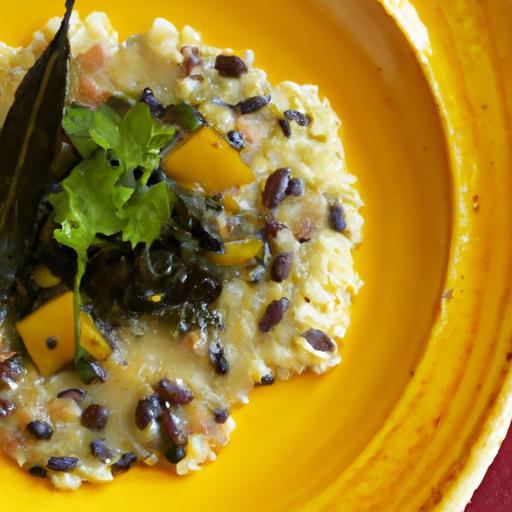
In the heartlands of Africa, where culture and cuisine intertwine, millet holds a story centuries in the making-a story told not just through harvests, but through the timeless art of fermentation. “Savoring Tradition: African Fermented Millet Recipes Unveiled” invites you on a sensory journey into ancient kitchens where bubbling jars and sun-warmed grains transform into tangy,nourishing treasures.These fermented millet recipes are more than food; they are living legacies, embodying the wisdom of generations who mastered the delicate balance of flavor, health, and preservation. Join us as we uncover the vibrant history and culinary magic behind Africa’s cherished fermented millet, celebrating a tradition that continues to nourish communities and palates alike.
Exploring Traditional Fermentation Techniques and Their Health Benefits
Savoring Tradition: African Fermented Millet Recipes Unveiled brings you deep into the heart of African culinary heritage, where fermentation transforms simple millet into vibrant and nourishing beverages. Steeped in centuries-old techniques, fermented millet is more than just a food – it is indeed a cultural emblem, a natural probiotic powerhouse, and a delicious festivity of ancestral wisdom. From bustling markets in West Africa to serene village hearths, this process has long united communities, nourished bodies, and preserved millet’s bounty in an unforgettable way.
Prep and Cook Time
- Preparation: 15 minutes
- Fermentation: 24 to 48 hours (depending on ambient temperature)
- Total Time: Approximately 2 days
Yield
Approximately 1.5 liters (serves 6-8)
Difficulty Level
Medium – requires patience and attention to fermentation conditions
Ingredients
- 2 cups millet grains, rinsed thoroughly
- 8 cups filtered water
- 1 tbsp natural starter culture (traditional fermented millet slurry or store-bought millet ferment starter)
- 1/2 cup unrefined natural sweetener (such as honey, date syrup, or palm sugar)
- Optional: a pinch of ground ginger or cardamom to enhance flavor
Step-by-Step Guide to Crafting Authentic African Millet fermented Beverages
- Prepare the millet grains: Soak the rinsed millet in 4 cups of water for at least 6 hours or overnight. This softens the grains and initiates natural enzymatic action.
- Cook the millet porridge: Drain the soaking water, then add the millet to a pot with 4 cups fresh water. Cook over medium heat, stirring frequently until a thick porridge forms (about 15 minutes). Tip: Stir continuously to prevent sticking and achieve a silky texture.
- Cool the mixture: Transfer the millet porridge to a sanitized container and let it cool to room temperature. This step is critical to preserve the beneficial microbes in the starter.
- Inoculate with starter culture: mix the natural starter culture and sweetener thoroughly into the cooled porridge.If desired, add your chosen spice for a subtle flavor twist.
- Fermentation process: Cover the container loosely (using a breathable cloth) and place it in a warm, dark spot. Fermentation typically takes 24 to 48 hours. Check periodically – the beverage will develop a slightly sour aroma and a gentle fizz as good bacteria flourish.
- Strain and chill: Once fermented to your preference, strain the liquid through a fine sieve or cheesecloth into a clean vessel. Chill in the refrigerator to halt fermentation and enhance refreshment.
- Serve and savor: Pour into glasses over ice or enjoy at room temperature. The beverage shoudl have a tangy, mildly sweet taste with complex earthy undertones.
Chef’s Notes: Tips for Success
- Starter culture: Using a traditional millet slurry from a previous fermentation yields authentic flavor and robust probiotics, but commercial starters ensure consistency if unavailable.
- Fermentation times: Warmer climates accelerate fermentation. Taste periodically to find the perfect balance of acidity and effervescence.
- Sweetener alternatives: Experiment with local natural sweeteners for diverse profiles. Avoid refined sugars to maintain health benefits.
- Spice infusion: Adding ginger or cardamom can subtly elevate the beverage without overpowering its traditional essence.
- Make-ahead: Fermented millet beverages improve in flavor if left for an extra day refrigerated. Consume within 4 days for optimum freshness.
Serving Suggestions
Serve this fermented millet beverage chilled in rustic clay cups or tall glasses to echo its tribal roots. Garnish with a sprig of fresh mint or a thin slice of lime for contrast. It pairs beautifully with light snacks like roasted groundnuts, millet flatbreads, or fresh tropical fruits. This drink is ideal for warm afternoons,festive gatherings,or as a nourishing probiotic boost any time of day.

| Nutrient | Per 250ml Serving |
|---|---|
| Calories | 110 kcal |
| protein | 3.2 g |
| Carbohydrates | 22 g |
| Fat | 1.5 g |
Unlock more ancient recipes and modern twists in our Traditional African Grains collection. For deeper insights into fermentation’s scientific benefits, visit the NCBI fermentation research review.
Q&A
Q&A: Savoring Tradition: African Fermented Millet Recipes Unveiled
Q1: What makes fermented millet such a cherished ingredient in African cuisine?
A1: Fermented millet is more than just a staple grain; it’s a cultural thread woven through generations. Its fermentation process enhances flavor complexity, improves digestibility, and boosts nutritional value by increasing beneficial probiotics. This transforms humble millet into a vibrant, tangy base that elevates dishes with a distinctive, earthy character.
Q2: How does fermentation change the nutritional profile of millet?
A2: Fermentation activates natural enzymes and amiable bacteria that break down antinutrients, making minerals like iron and zinc more bioavailable. It also enriches the grain with vitamins, notably B vitamins, and introduces probiotics that promote gut health. fermented millet is a nourishing powerhouse crafted by nature’s microscopic artisans.
Q3: Can you describe some traditional African fermented millet recipes and their cultural significance?
A3: Absolutely! In West Africa, “ogi” or “Akamu” is a popular fermented millet porridge enjoyed at breakfast, cherished for its smooth texture and mild tang. In parts of the sahel, fermented millet dough is the base of “Dèguè,” a refreshing fermented millet drink mixed with sweeteners and sometiems spices.Each recipe tells a story of communal tradition-passed down through family, village, and ceremony-where fermentation brings peopel together over shared meals.
Q4: What tips should one keep in mind when fermenting millet at home?
A4: Patience is a key ingredient. Millet fermentation typically takes 1 to 3 days, depending on temperature and humidity. Use clean utensils and water to prevent unwanted microbial growth.Keep the ferment covered but not airtight to allow for proper airflow, and trust your senses-pleasant sour aromas and a slight effervescence signal a successful ferment.
Q5: How can modern cooks incorporate fermented millet into contemporary dishes?
A5: Fermented millet is wonderfully versatile. Use it as a base for savory porridges, transform it into tangy flatbreads, or blend it into batters for pancakes and fritters. Its subtle sourness pairs beautifully with spicy stews, roasted vegetables, and fresh herbs.Creative chefs can also explore fermented millet smoothies or even use it as a probiotic-rich starter culture for other homemade ferments.
Q6: Why is preserving traditional fermentation methods significant for African culinary heritage?
A6: Traditional fermentation methods are living archives of ancestral wisdom. They sustain biodiversity by cultivating indigenous microbial cultures unique to diffrent regions. Beyond flavor, they embody resilience-preserving food in ways that suit local climates and resources. Upholding these practices honors cultural identity while offering sustainable, nutritious pathways in today’s global food landscape.
Explore the ancient art of fermenting millet and rediscover the rich tapestry of African flavors that have delighted palates for centuries-all without leaving your kitchen!
Closing Remarks
As we close the chapter on these time-honored African fermented millet recipes, we’re reminded that each dish is more than sustenance-it’s a living narrative of culture, community, and culinary ingenuity. From the tangy notes of ogi to the hearty warmth of millet porridge, these foods invite us to taste history and appreciate the art of fermentation perfected over generations. Embracing these traditions not only enriches our palates but also preserves a vital thread in the vibrant tapestry of African heritage.So next time you savor a spoonful, remember-you’re partaking in a story that’s been fermenting for centuries.