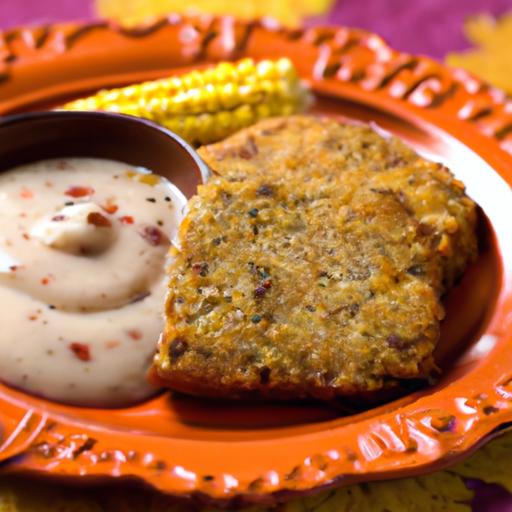
In the heart of Eastern Europe, where rolling hills meet sun-kissed fields, lies a culinary tradition both humble adn richly layered: the art of moldovan cornmeal delights.From golden mamaliga steaming on the stove to delicate cornmeal pastries passed down through generations, these dishes tell stories of resilience, party, and a deep connection to the land. Join us as we journey through Moldova’s kitchens and countryside to savor the timeless flavors and textures that turn simple cornmeal into a tapestry of heritage, warmth, and culture.
Discovering Moldovan Cornmeal cuisine: Conventional Recipes and Regional Flavors
Savoring tradition through Moldovan cornmeal delights invites us into a world where every bite tells a story woven with history and rich,cultural identity. This staple ingredient, deeply rooted in Moldova’s agrarian heritage, transforms into vibrant traditional dishes that have been lovingly passed down through generations. From the rustic charm of mămăligă to the hearty fillings of cornmeal pies, these recipes celebrate simplicity, nourishment, and community.
Prep and Cook Time
- Preparation: 15 minutes
- Cooking: 30 minutes
Yield
Serves 4 hearty portions
Difficulty Level
Medium – Perfect for home cooks eager to explore authentic Moldovan flavors with approachable techniques
Ingredients
- 1 cup coarse-ground yellow cornmeal
- 4 cups water
- 1 tsp salt
- 2 tbsp unsalted butter
- ½ cup crumbled feta or local sheep’s cheese (optional but traditional)
- Fresh dill or parsley, chopped, for garnish
- 1 tbsp sour cream (optional, for serving)
Instructions
- Bring water to a boil. In a medium saucepan, combine the 4 cups of water and 1 tsp salt. Heat until bubbling vigorously.
- Gradually whisk in cornmeal. Slowly sprinkle in the cornmeal while whisking constantly to avoid lumps. This step ensures a smooth, creamy texture.
- Simmer and stir. Lower heat to medium-low and stir continuously with a wooden spoon for 15-20 minutes. The mixture will thicken and start pulling away from the sides of the pan. Tip: stirring constantly prevents sticking and creates that perfect silky mămăligă.
- Finish with butter. Remove the pot from heat and stir in the butter until fully melted and incorporated for richness.
- Plate creatively. Spoon the hot cornmeal onto a serving dish, shaping it into a mound or thick slices once cooled slightly.
- Add cheese and garnish. Sprinkle the crumbled cheese over the top and finish with fresh chopped herbs for a burst of color and flavor.
- Serve with sour cream alongside or drizzled on top to balance the earthiness with tangy creaminess.
tips for Success: Embrace authenticity and Flavor
- Use coarse cornmeal. Opt for a coarser grind for a traditional texture that’s slightly grainy but tender.
- Patience is key. Slow cooking and steady stirring yield a perfectly creamy consistency, a hallmark of Moldovan cornmeal dishes.
- Regional variations. In southern Moldova, you might find additions like fried onions or smoked cheese blended in, offering diverse regional touches worth exploring!
- Make-ahead tips. Mămăligă can be cooled in a loaf pan and sliced for frying or grilling the next day, creating delightfully crispy bites.
- Substitute cheese. if traditional local cheese isn’t available, feta or ricotta salata provide similar salty tang without compromising authenticity.
Serving Suggestions
This classic Moldovan cornmeal base is incredibly versatile.Serve warm alongside a rich beef stew or vegetable ragout, or top with sautéed mushrooms and caramelized onions for a vegetarian delight.For a more rustic experience, accompany with sour cream and a sprinkle of fresh garden herbs like parsley or dill to brighten the palate. Garnishing with a drizzle of melted butter enhances the dish visually and adds a silky finish.

| Nutritional Info (per serving) | amount |
|---|---|
| Calories | 230 kcal |
| Protein | 5 g |
| Carbohydrates | 45 g |
| Fat | 5 g |
For a deeper dive into Eastern European comfort foods highlighting regional grains, check out our guide to Eastern European grain recipes. To understand more about the agricultural roots of cornmeal in Moldova and it’s impact on cuisine, visit the informative cultural archives at Cultural Roots Moldova.
Q&A
Q&A: Savoring Tradition – Exploring Moldovan Cornmeal Delights
Q1: What makes cornmeal such an iconic ingredient in Moldovan cuisine?
A1: Cornmeal is more than just a staple in Moldova-it’s a soulful emblem of the country’s agrarian roots. Introduced centuries ago, corn became a cornerstone of the Moldovan diet due to its versatility and heartiness. It’s woven into traditional dishes that echo family gatherings, rural celebrations, and the enduring spirit of Moldovan heritage.Q2: Can you name some traditional Moldovan dishes made with cornmeal?
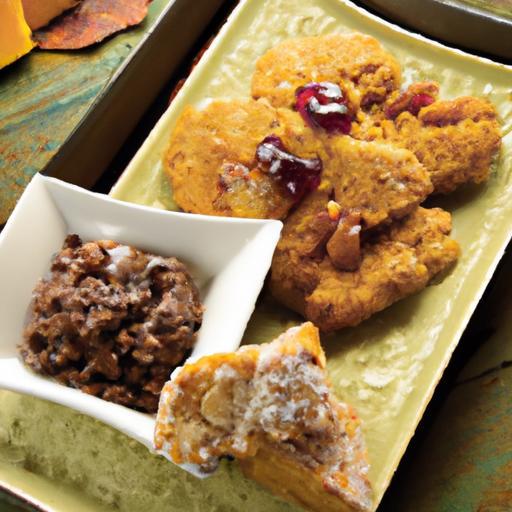
A2: Absolutely! The star of the show is mămăligă, a thick, comforting porridge that’s frequently enough compared to Italian polenta. Mămăligă can be served plain, layered with cheese and sour cream, or accompanied by stews and smoked meats. Other cornmeal delights include colțunași (dumplings filled with cheese or potatoes) encased in cornmeal dough, and plăcinte – cornmeal crust pastries stuffed with sweet or savory fillings.
Q3: How is mămăligă traditionally prepared?
A3: The traditional preparation of mămăligă is a simple yet mindful ritual. Coarsely ground cornmeal is slowly boiled in salted water, stirred continuously until it thickens into a golden, creamy texture. The secret lies in patience and the right balance of water to cornmeal, creating a dish that’s rustic but remarkably versatile-a blank canvas for bold flavors or delicate accompaniments.
Q4: What role do cornmeal dishes play in Moldovan culture and celebrations?
A4: Cornmeal dishes are central to Moldovan hospitality and celebrations.Mămăligă, in particular, is a symbol of warmth and community-served on festive tables alongside savory cheeses, smoky sausages, and pickled vegetables. It’s common to find these dishes featured during holidays,family reunions,and even weddings,embodying the essence of togetherness and tradition.
Q5: How have modern chefs in Moldova reimagined cornmeal dishes?
A5: Contemporary Moldovan chefs are embracing cornmeal’s humble heritage while infusing it with innovation. You might find mămăligă transformed into elegant side plates, paired with fusion sauces, or baked into creative tartlets. Some are experimenting with heirloom corn varieties and incorporating local herbs, blending centuries-old tradition with modern culinary artistry.
Q6: Where can travelers experience authentic Moldovan cornmeal specialties?
A6: To truly savor the authentic taste, travelers should seek out family-run households, rustic country inns, and local markets where cornmeal dishes are prepared with love passed down through generations. Regions like Orhei and the surrounding countryside are known for preserving these culinary traditions, offering visitors a genuine glimpse into Moldova’s rich food tapestry.
Q7: Why should food lovers around the world explore Moldovan cornmeal cuisine?
A7: Exploring Moldovan cornmeal cuisine is like turning pages of a living history book-each dish tells a story of resilience, community, and simplicity elevated to art.For adventurous food lovers, it’s an possibility to connect with a lesser-known culinary tradition that’s both comforting and vibrant, offering flavors that nourish the body and soul alike.
The Way Forward
As the rich, golden hues of Moldovan cornmeal dishes linger on the palate, they invite more than just a taste-they offer a passage into the heart of a culture shaped by history, family, and the fertile soils of the region. From comforting mămăligă served alongside hearty stews to delicate pastries that preserve age-old recipes, these culinary treasures embody the spirit of tradition savoring every crumb. Exploring Moldovan cornmeal delights is not merely a gastronomic journey; it is an embrace of heritage, a celebration of simplicity elevated by time, and an invitation to keep these flavors alive for generations to come. So next time you encounter these humble yet soulful dishes, remember-they carry stories worth tasting.