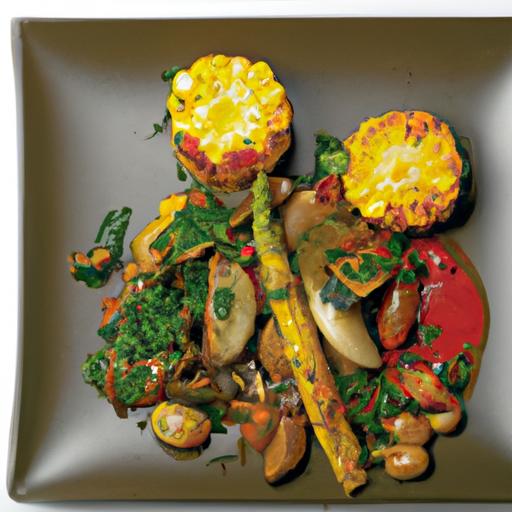
Embarking on a culinary adventure across Europe reveals a tapestry of flavors woven from centuries of tradition, culture, and trade. at the heart of this savory journey lie the continent’s distinctive spice blends-aromatic symphonies that transform humble ingredients into dishes bursting with character and history.From the fragrant warmth of Herbes de Provence to the smoky depth of spanish pimentón-based mixes,European spice blends offer more than just seasoning; they tell stories of distant lands,ancient markets,and the ever-evolving art of flavor. Join us as we delve into the rich world of these enchanting mixtures, uncovering how they shape regional cuisines and continue to inspire palates around the globe.
Savory journeys through European spice blends reveal centuries of culinary passion, regional diversity, and fragrant traditions distilled into every pinch. From the herbaceous fields of Provence to the smoky depths of Hungarian paprika, these blends evoke stories that spark the senses and elevate everyday meals. Today, we’ll master the aromatic legacy of some of Europe’s signature spice mixes, unlocking authentic flavors to inspire your kitchen creations.
Prep and Cook Time
- Preparation: 15 minutes
- Cooking: N/A (dry spice mix assembly)
- Total Time: 15 minutes
Yield
About ½ cup of versatile European spice blend (enough for 6-8 dishes)
Difficulty Level
Easy – perfect for beginners and seasoned cooks alike
Ingredients
- 1 tbsp dried thyme
- 1 tbsp dried rosemary
- 1 tbsp dried marjoram
- 1 tbsp dried oregano
- 1 tsp dried lavender buds
- 1 tsp fennel seeds, lightly crushed
- 1 tsp crushed pink peppercorns
- 1 tsp dried parsley flakes
- ½ tsp sea salt
- ½ tsp freshly ground black pepper
Instructions
- Toast the fennel seeds: In a dry skillet over medium heat, toast the fennel seeds for about 2 minutes until fragrant, stirring constantly to prevent burning. Remove promptly and let cool.
- Combine the herbs: In a small bowl, mix the dried thyme, rosemary, marjoram, oregano, lavender buds, parsley flakes, along with the toasted fennel seeds and crushed pink peppercorns. stir gently to ensure even distribution.
- Season the blend: Add sea salt and freshly ground black pepper and mix well once more.
- Store your spice blend: Transfer the mixture to an airtight jar or spice tin. Keep it in a cool, dark place to preserve the aromatic oils and flavors.
- Use immediately or let it rest: For an even more nuanced flavor, allow the blend to rest for 24 hours before using, so the components meld beautifully.
Tips for Success
- Substitutions: If you’re in a pinch, fresh rosemary may be swapped with dried savory, but keep the quantity minimal as savory is stronger.
- Customization: Feel free to adjust the lavender-too much can overpower, so start with less if you’re new to floral notes.
- Make-ahead: This blend stores well for up to 3 months. Being handmade, it’s free of fillers or additives found in pre-made mixtures.
- Flavor tip: Always toast seeds or nuts first to unlock essential oils-this simple step dramatically lifts your spice blend.
Serving Suggestions
Sprinkle this aromatic blend over roasted root vegetables like carrots and potatoes, or use it to season hearty soups and grilled chicken or fish for an unmistakable Mediterranean flair.For an inspired twist, stir a teaspoon into your homemade salad vinaigrette or sprinkle lightly over creamy hummus to brighten the palate. Garnish final dishes with fresh thyme or lemon zest to complement the herbal aromas.

| Nutrient | Per 1 tsp (2g) | % Daily Value* |
|---|---|---|
| Calories | 6 | 0.3% |
| Protein | 0.2g | 0.4% |
| Carbohydrates | 1.3g | 0.4% |
| Fat | 0.1g | 0.2% |
Discover how this classic European spice blend enhances traditional dishes like Ratatouille or Hungarian roasted vegetables by checking out our guide to vegetable roasts. For deeper insights into the history and uses of herbs like thyme and lavender, visit the American Botanical Council.
Q&A
Q&A: Savory Journeys – Exploring the Rich World of European Spice Blends
Q1: What makes European spice blends unique compared to those from other regions?
A1: European spice blends are a captivating tapestry woven from centuries of culinary tradition, trade, and cultural exchange. Unlike some regions that rely heavily on heat or singular dominant spices, European blends often emphasize balance and harmony-combining aromatic herbs, subtle sweet notes, and warming spices to enhance natural flavors without overpowering them. This nuanced layering creates blends that elevate dishes gently, reflecting the diverse climates and histories across the continent.
Q2: Can you name some classic European spice blends and their characteristic flavors?
A2: Certainly! Here are a few treasures:
- Herbes de Provence (France): A fragrant mix of lavender,thyme,rosemary,and oregano,offering a floral,piney aroma perfect for vegetables,fish,and stews.
- Fines Herbes (France): A delicate combination of parsley,chives,tarragon,and chervil,best used fresh to brighten lighter dishes like eggs or cream-based sauces.
- Italian Seasoning: Typically a blend of basil,oregano,rosemary,thyme,and marjoram,lending a warm,savory touch beloved in tomato sauces and roasted vegetables.
- za’atar (Eastern Mediterranean influence): Though not purely European,it’s embraced widely and blends thyme,sumac,sesame seeds,and oregano,offering a tangy,nutty flavor profile.
Q3: What role do herbs play versus spices in European blends?
A3: Herbs often dominate European blends, with fresh or dried leaves like thyme, rosemary, and basil contributing brightness and earthiness. Spices-such as nutmeg, cinnamon, or cloves-are typically used sparingly to add warmth or subtle sweetness, woven carefully into the mix. This balance ensures the blends complement rather than overshadow the main ingredients.
Q4: How can home cooks incorporate these spice blends into their everyday cooking?
A4: Home chefs can easily bring a dash of European flair by keeping a few blends on hand. Sprinkle Herbes de Provence on roasted root vegetables or grilled fish, toss Fines Herbes gently into scrambled eggs or creamy soups at the last minute, or stir Italian seasoning into sauces and stews for that classic Mediterranean touch. Starting with small amounts, then adjusting to taste, helps unlock the magic without overwhelming the palate.
Q5: Are European spice blends adaptable for modern plant-based cooking?
A5: Absolutely! These blends are highly versatile and enhance the natural flavors of fruits, vegetables, legumes, and grains superbly. A sprinkle of za’atar can transform roasted chickpeas into a crunchy snack,while Herbes de Provence adds depth to ratatouille or grilled eggplant. The thoughtful layering of herbs and spices in these blends makes them perfect partners for elevating plant-based dishes with complexity and warmth.
Q6: How have historical trade routes influenced European spice blends?
A6: The story of European spice blends is inseparable from the age of exploration, the Silk Road, and Mediterranean trade networks. Exotic spices like cinnamon, cloves, and nutmeg-originating far from Europe-were prized luxury items that found homes in traditional blends, subtly enriching local herb mixes. Simultaneously occurring, native Mediterranean herbs grounded these blends, creating a fusion that embodies centuries of culinary curiosity and connection.
Q7: What are some tips for creating your own European-inspired spice blend at home?
A7: Start with a foundation of dried herbs such as thyme,rosemary,and oregano. Experiment by adding small amounts of warming spices like a pinch of nutmeg or a hint of cinnamon, paying attention to balance. Use a mortar and pestle or spice grinder to release fresh aromas, and always store blends in airtight containers away from light. Lastly, taste as you go-adjusting proportions to reflect your preferred flavor profile and the dishes you plan to enhance.
Q8: Why is understanding these blends critically important for culinary enthusiasts?
A8: Delving into European spice blends is more than just seasoning food-it’s an invitation to connect with rich cultural histories, landscapes, and traditions. For culinary enthusiasts, these blends offer a gateway to creativity, an understanding of flavor layering, and a deeper appreciation for how simple herbs and spices can transform everyday meals into memorable experiences.
Embarking on savory journeys through European spice blends reveals a world where subtlety meets sophistication-each fragrant pinch a step closer to unlocking the continent’s rich culinary soul.
Future Outlook
As we close the chapter on this flavorful expedition through Europe’s treasured spice blends, it becomes clear that these aromatic mixtures are more than mere seasonings-they are stories in powder and seed, echoes of ancient trade routes, and vessels of cultural identity. From the warm, smoky whispers of Hungarian paprika to the vibrant medley of Provençal herbes de Provence, each blend invites us to savor history and tradition with every bite. Embracing these savory journeys not only enriches our palates but also deepens our appreciation for the rich tapestry of European culinary heritage. So next time you reach for a pinch of spice, remember: you’re partaking in a centuries-old voyage of flavor-a true celebration of Europe’s zest for life.