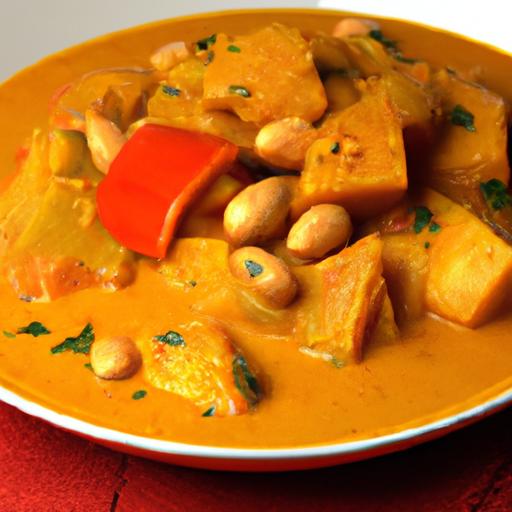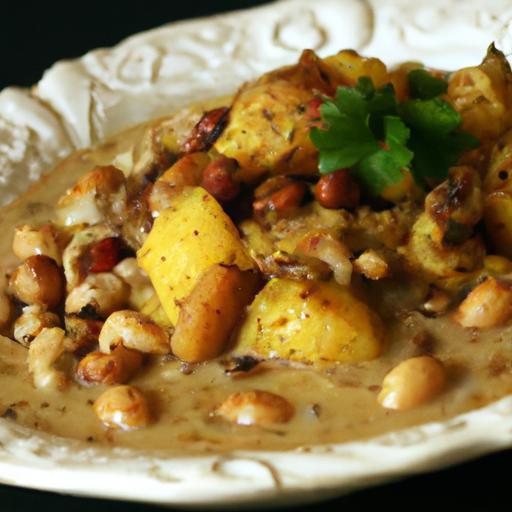
Nestled in the vibrant culinary landscape of West Africa, Senegalese Maafe stands out as a rich and creamy peanut stew that tells a story far beyond its savory aroma. This beloved dish, with its deep hues and velvety texture, is a comforting embrace of tradition and flavor-a harmonious blend of tender meats, fresh vegetables, and roasted peanuts simmered to perfection. More than just a meal, Maafe is a celebration of Senegal’s cultural heritage, bringing families and communities together around the table. In this exploration, we’ll dive into the origins, ingredients, and irresistible charm of Senegalese Maafe, uncovering why it continues to captivate palates both at home and around the world.
senegalese Maafe, a rich and creamy peanut stew delight, is a vibrant dish that embodies the warmth and tradition of West African cuisine.This soulful stew, deeply rooted in Senegalese culture, invites you to experience a harmonious blend of earthy peanuts, tender meats, and luscious vegetables, all simmered to perfection in a fragrant tomato base. As a culinary treasure passed down through generations, Senegalese Maafe is more than a meal-its a celebration of community, history, and comfort.
Origins and Cultural Meaning of Senegalese Maafe
Originating from the Mandinka and Wolof people in Senegal and neighboring regions,this peanut stew is cherished as both an everyday comfort food and a festive dish. Senegalese Maafe was traditionally cooked during communal gatherings, symbolizing hospitality and the collective spirit of sharing. Peanuts, a staple crop in Senegal, lend the stew its signature creamy texture and nutty undertone while underscoring the agricultural heritage of the region. The dish transcends borders throughout West Africa, adapting with local ingredients yet retaining its distinctive, heartwarming soul.
Key Ingredients That Bring Authentic Flavor to Your Peanut Stew
- Natural Peanut Butter (½ cup) – opt for unsweetened, unsalted for authentic richness
- Beef or Lamb chunks (1 lb) – for tender, flavorful protein; chicken is a lighter alternative
- Fresh tomatoes (2 large, diced) and tomato paste (2 tbsp) – create the stew’s vibrant base
- Onions (1 large, finely chopped) and garlic (3 cloves, minced) – build aromatic depth
- Carrots (2 medium, chopped) and sweet potatoes (1 large, cubed) – add natural sweetness and texture variety
- Stock or broth (4 cups) – enhances savoriness; vegetable or beef stock preferred
- Fresh ginger (1 inch piece, grated) – spices up the stew with subtle warmth
- Scotch bonnet or chili (1 small, optional) – for a mild heat kick typical of West African dishes
- Salt and freshly ground black pepper – to taste, essential for balancing flavors
- Fresh cilantro or parsley – for garnish and a burst of freshness
Prep and Cook Time
- Preparation: 20 minutes
- Cooking: 1 hour 15 minutes
- Total: 1 hour 35 minutes
Yield
Serves 6 hearty portions
Difficulty Level
Medium – Requires attentive simmering and ingredient layering, perfect for home cooks eager to explore West African flavors
Step-by-Step guide to perfecting the Creamy Texture
- Heat a large heavy-bottomed pot over medium heat and add 2 tbsp of neutral oil. Sauté the finely chopped onions and minced garlic until translucent and fragrant, about 5 minutes.
- Add beef chunks to the pot, browning all sides for 8-10 minutes. This caramelization builds a rich foundation.
- Stir in the diced tomatoes and tomato paste, cooking until the tomatoes break down and meld,roughly 7 minutes,stirring occasionally.
- Pour in stock to cover the meat,then add grated ginger and chopped Scotch bonnet if using. Bring to a gentle boil,reduce heat,and simmer partially covered for 40 minutes,until the meat starts to tenderize.
- Mix the peanut butter with a cup of warm broth in a separate bowl until smooth and fluid, preventing lumps in the stew.
- Gradually stir the peanut butter mixture into the simmering pot, followed by chopped carrots and sweet potatoes. Stir thoroughly and simmer for an additional 20 minutes, uncovered, allowing the stew to thicken and the flavors to fully develop.
- Season with salt and black pepper, tasting and adjusting as needed. For a silkier texture, gently mash some cooked sweet potatoes against the pot’s side before serving.
- Garnish with chopped fresh cilantro or parsley, adding a lively contrast to the stew’s creamy richness.
Chef’s Notes: Tips for Success and Variations
- For a vegetarian/vegan version, substitute meat with hearty vegetables like eggplant, butternut squash, or chickpeas, and use vegetable stock.
- Consistent stirring when adding peanut butter ensures the sauce remains smooth and luscious,avoiding separation.
- Use natural peanut butter – homemade or unsweetened commercial brands yield the richest, truest flavor.
- Make ahead: maafe tastes even better the next day as flavors meld. Refrigerate and gently reheat, possibly adding a splash of broth.
- Adjust the heat: Scotch bonnet peppers add authentic warmth, but they can be omitted or replaced with milder chili flakes if preferred.
Serving Suggestions and Pairings to Elevate Your Maafe Experience
Senegalese Maafe traditionally shines when served over fluffy white rice, capturing every dollop of the creamy sauce. For a more rustic touch, consider pairing with steamed millet couscous or soft fufu (pounded yam or cassava), perfect for scooping. Complement the stew with a crisp green salad tossed in a citrus vinaigrette to cut through the richness.
For garnishes, radiant fresh herbs like cilantro, thinly sliced red chilies, or crunchy roasted peanuts add enticing colour and texture contrasts. A side of pickled vegetables or mildly spiced roasted plantains further enriches the sensory experience, balancing sweet, sour, and savory notes.

| Nutrient | Per Serving |
|---|---|
| Calories | 480 kcal |
| Protein | 32 g |
| Carbohydrates | 28 g |
| Fat | 28 g |
For more traditional African recipes that nurture the soul,check our West African Stews Collection. To learn more about the peanut’s role in West African agriculture and cuisine, visit the authoritative FAO’s peanut crop overview.
Q&A
Q&A: exploring Senegalese Maafe – A Rich and Creamy Peanut Stew delight
Q: What is Senegalese Maafe?
A: Senegalese Maafe, also known as groundnut stew, is a beloved West African dish celebrated for its rich, velvety texture and comforting flavors. At its heart, it’s a hearty stew made with peanuts or peanut butter, simmered with tomatoes, aromatic spices, and an assortment of vegetables or meats. This dish is a staple in Senegalese kitchens and a symbol of communal, soulful cooking.
Q: What gives Maafe its distinctive creamy texture and nutty flavor?
The magic lies in the peanuts-or more commonly, peanut butter-which create a luxurious, creamy base that coats every bite. These earthy, nutty elements meld beautifully with the acidity of tomatoes and the warmth of spices, producing a stew that’s both hearty and deeply satisfying.
Q: Which ingredients are traditionally included in Senegalese Maafe?
Typical ingredients include ground peanuts or peanut butter, tomatoes, onions, garlic, and a vibrant mix of vegetables like sweet potatoes, carrots, eggplants, and leafy greens. Common proteins include chicken, beef, or lamb, slow-cooked until tender. Spices such as ginger, chili peppers, and a hint of paprika add layers of complexity without overpowering the stew’s peanut essence.
Q: Is Maafe typically spicy?
Maafe can range from mild to moderately spicy depending on personal or regional preferences. The use of chili peppers or fresh hot peppers adds a subtle heat that complements the creamy peanut base rather than overwhelming it. It’s easy to adjust the spice level to suit your taste.
Q: How is Senegalese Maafe traditionally served?
Maafe is often ladled over fluffy rice, couscous, or millet, acting as a rich sauce that soaks into the grains.In Senegal, it’s common to find this stew accompanied by savory sides like fried plantains or steamed greens, creating a balanced and fulfilling meal.
Q: Can Maafe be made vegetarian or vegan?
Absolutely! While traditional recipes often include meat, Maafe is wonderfully versatile. Omitting meat and focusing on an array of vegetables results in a nourishing vegetarian or vegan stew that’s just as rich and flavorful. Using vegetable broth instead of meat stock keeps it fully plant-based without compromising taste.
Q: What makes Maafe culturally significant in Senegal?
Maafe is more than just a dish; it’s a culinary heritage passed down through generations, embodying community, warmth, and hospitality. It’s commonly enjoyed during family gatherings and celebrations, highlighting the importance of shared meals in Senegalese culture.
Q: How long does it take to prepare Maafe?
While Maafe is a stew that benefits from slow cooking to develop deep flavors, many home cooks can prepare it in about an hour to an hour and a half. The most important step is allowing the peanut base and spices to meld together, resulting in a luscious, comforting dish.
Q: Are there any unique tips for cooking the perfect Maafe?
Yes! Toasting raw peanuts before blending can enhance the depth of flavor. Additionally, balancing acidity (from tomatoes or lemon juice) with sweetness (from carrots or sweet potatoes) creates harmony in the stew. Lastly, patience is key-slow simmering allows the flavors to fully develop and the texture to thicken beautifully.
Q: Where can someone outside Senegal experience authentic maafe?**
Many West African restaurants around the world celebrate Maafe as a signature dish. For those who enjoy cooking, it’s also quiet accessible to make at home with readily available ingredients like peanut butter and common vegetables. Exploring authentic recipes online or in cookbooks dedicated to African cuisine is a great way to begin!
Whether you’re new to West African flavors or a seasoned food lover,Senegalese Maafe offers a unique taste adventure-warm,creamy,and bursting with history in every spoonful.
To Wrap It Up
As the warm,nutty aroma of Senegalese Maafe fills your kitchen,you’re not just cooking a stew-you’re savoring a story steeped in tradition and community.This rich and creamy peanut masterpiece invites you to explore the vibrant flavors of West Africa, where each spoonful tells of roasted peanuts, tender vegetables, and the loving hands that have passed down this recipe through generations. Whether served over fluffy rice or enjoyed alongside crusty bread, Maafe is more than a meal-it’s a celebration of culture, comfort, and connection. So next time you crave something hearty and heartwarming,remember this delightful peanut stew that brings a taste of Senegal right to your table.