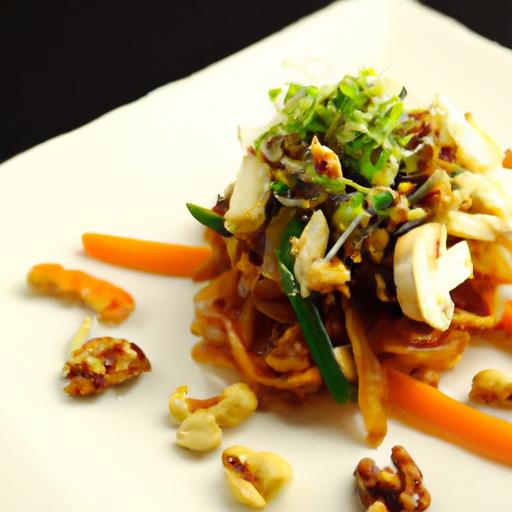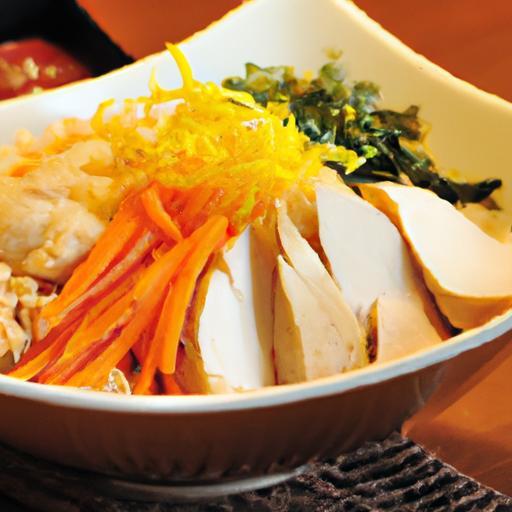
In the bustling world of noodles,few dishes capture the heart and soul of Asian cuisine quite like udon. Thick, chewy, and wonderfully versatile, these Japanese wheat noodles transform simple ingredients into soul-satisfying meals that comfort and delight. Welcome to “Slurp & Savor: Appetizing Asian Udon Noodle Recipes Unveiled,” where we peel back the layers of tradition and innovation to bring you an enticing array of recipes. From classic brothy bowls to vibrant stir-fries,prepare to embark on a culinary journey that celebrates the rich textures,bold flavors,and timeless appeal of udon-one slurp at a time.
Slurp & Savor: Delicious Asian Udon Noodle Recipes Unveiled brings you not just an exploration of appetizing noodles but a journey connecting taste buds with centuries-old tradition and innovation. Udon noodles, with their silky, chewy texture and comforting warmth, have been a staple in Japanese cuisine for over a thousand years, evolving from a humble street food to a culinary art form treasured worldwide. Their story is as rich as their broth, each strand whispering tales of cultural exchange, regional adaptation, and gastronomic craftsmanship.
Prep and Cook Time
- Preparation: 20 minutes
- Cooking: 30 minutes
- Total Time: 50 minutes
Yield
- Serves 4 hearty bowls
Difficulty Level
- Medium – Perfect for confident home cooks ready to master broth blending and noodle technique
Ingredients
- For the Udon Noodles:
- 3 cups all-purpose flour, sifted
- 1 cup lukewarm water
- 1 tsp salt
- For the Broth:
- 6 cups dashi stock (homemade or quality instant)
- 1/4 cup light soy sauce
- 2 tbsp mirin (Japanese sweet rice wine)
- 1 tsp sugar
- Toppings and Garnish:
- 2 green onions, finely sliced
- 1 cup sliced shiitake mushrooms
- 1 cup blanched spinach or bok choy
- 1 sheet of toasted nori, shredded
- Sesame seeds for sprinkling
Instructions
- Mixing the Dough: In a large bowl, combine the sifted flour and salt. Gradually pour lukewarm water into the flour mixture, stirring gently with chopsticks or a fork until the dough starts to come together.
- Kneading: Transfer the dough onto a floured surface.Knead firmly for 10 minutes until it becomes smooth and elastic. Cover with a damp cloth and let it rest for 30 minutes to relax the gluten.
- Shaping Noodles: Roll the dough out to about 1/4 inch thickness.Lightly dust with flour, fold into thirds, and cut into 1/4 inch thick strips. Gently separate the noodles to prevent clumping.
- Cooking Noodles: Bring a large pot of water to a roaring boil. Add noodles and stir gently. Cook for 8 to 10 minutes until tender but still chewy.Drain and rinse under cold water to stop cooking and remove excess starch. Set aside.
- Crafting the Broth: in a pot, bring dashi stock to a simmer over medium heat. Stir in soy sauce, mirin, and sugar.Adjust seasoning by tasting – the goal is a harmonious balance of umami, sweetness, and saltiness.
- Sautéing Toppings: In a skillet, lightly sauté shiitake mushrooms in a splash of sesame oil until tender, about 5 minutes. Season with a pinch of salt.
- Serving: Place a portion of noodles into deep bowls. Ladle hot broth over noodles, then artistically arrange spinach, mushrooms, and green onions atop. Sprinkle with toasted sesame seeds and nori strips for texture and contrast.
Chef’s Notes for mastering The Dish
- Broth variations: Customize by adding kombu kelp for deeper umami or a dash of yuzu kosho for a subtle citrus-spice kick.
- Noodle Tip: Avoid over-thickening noodles when rolling; thin noodles cook more evenly and make slurping more enjoyable.
- Make-Ahead strategy: Prepare broth a day in advance to let flavors meld; reheat gently to preserve aroma.
- Vegan Option: Use shiitake-based dashi and swap mirin with a splash of maple syrup.
- Troubleshooting: If broth tastes flat, add a teaspoon of bonito flakes or a pinch of sea salt to amplify flavors.
Serving Suggestions
Arrange the noodles in wide, shallow bowls to showcase their glossy sheen and inviting chewiness. Serve with a side of crunchy tempura vegetables or steamed edamame to create a balanced dining experience. For an eye-catching finish, add a soft-boiled egg marinated in soy sauce or thinly sliced fresh chili rings for subtle heat and vibrant color. Encourage diners to slurp – it’s a delightful part of enjoying authentic udon noodles!

| Nutrient | amount per Serving |
|---|---|
| calories | 420 kcal |
| Protein | 12 g |
| Carbohydrates | 70 g |
| Fat | 5 g |
Discover more on Japanese noodle traditions by visiting Japan Guide’s Udon History. For a complementary recipe, check out our Best Ramen Recipes to learn nuanced broth techniques.
Q&A
Q&A: Slurp & Savor – Delicious Asian Udon Noodle Recipes Unveiled
Q1: What makes udon noodles a beloved staple in Asian cuisine?
A1: Udon noodles are celebrated for their thick, chewy texture and subtle wheat flavour, wich makes them incredibly versatile. They act as a perfect canvas, soaking up the savory broths and sauces they’re paired with, delivering a comforting and satisfying meal in every bite.
Q2: Can you describe the difference between udon and other asian noodles?
A2: Unlike thinner noodles such as soba or rice noodles, udon is thick and slightly chewy, lending a hearty mouthfeel. Its springy texture allows it to hold up well in both hot soups and stir-fried dishes,making it unique in both versatility and satisfying bite.
Q3: What are some classic broths used with udon noodles?
A3: Customary udon broths often revolve around dashi, a savory stock made from kombu (kelp) and dried shiitake mushrooms or bonito flakes.This umami-rich base is typically light and clear, complementing toppings like scallions, tempura vegetables, or mushrooms without overpowering the noodles.
Q4: How can one elevate a simple udon stir-fry at home?
A4: Elevation comes from layering flavors: start with aromatic garlic and ginger, add crisp vegetables like bok choy or snap peas, and finish with a splash of soy sauce or tamari and a hint of toasted sesame oil. Garnish with fresh herbs or toasted sesame seeds to add texture and brightness.
Q5: Are there regional variations of udon dishes to explore?
A5: Absolutely! In Japan, Kagawa’s Sanuki udon is famed for its firm texture, while Kansai-style udon tends to have a lighter broth emphasizing sweetness. South Korea features jajangmyeon, a black bean sauce noodle dish with thick noodles similar to udon. Exploring these regional takes offers a delicious journey through asia’s noodle heritage.
Q6: What vegetarian or vegan-friendly udon options would you recommend?
A6: Udon shines in vegetarian dishes thanks to its compatibility with vegetable broths and plant-based seasonings. Try a veggie-packed udon soup with shiitake mushrooms, bok choy, carrots, and tofu, or a spicy chili-garlic stir-fry with mushrooms and green beans. Coconut milk-based broths also add a creamy twist for a plant-powered delight.
Q7: How important is noodle cooking time in achieving perfect udon texture?
A7: crucial! Overcooked udon becomes mushy and loses its characteristic chew. Fresh udon typically cooks in just 2-4 minutes. It’s best to cook them until tender but still firm to the bite (al dente), then rinse briefly under cold water if using in a stir-fry to maintain that perfect bite.
Q8: what are some creative garnishes that can enhance udon dishes?
A8: Think beyond the basics: finely sliced scallions, toasted nori strips, crunchy tempura crumbs (tenkasu), pickled ginger, or a drizzle of chili oil can add bursts of flavor and texture.A soft-boiled egg or cubes of silky tofu can provide richness, balancing the dish beautifully.
Q9: Can udon noodles be prepared ahead for fast meals?
A9: yes! Cooked udon noodles can be drained, tossed in a little oil to prevent sticking, and refrigerated for up to two days. They’re perfect for last-minute stir-fries or soups, making weeknight dinners a breeze.
Q10: What essential kitchen tools help in cooking perfect udon?
A10: A large pot is essential for boiling noodles without crowding. A fine mesh strainer helps with quick draining, and a large skillet or wok is ideal for stir-frying. Additionally, having a ladle for broth and a slotted spoon for serving can streamline the process.
Slurp, savor, and let these udon noodle recipes transport you to the heart of Asian comfort food-each bowl an invitation to enjoy the rich flavors and textures that make udon truly unforgettable.
Future Outlook
As the rich aroma of savory broths and the tender bite of perfectly cooked udon noodles linger in your memory, it’s clear that these beloved Asian dishes offer more than just a meal-they offer an experience. Whether you’re slurping a comforting bowl of traditional udon or experimenting with bold, modern twists, the versatility and warmth of these recipes invite you to savor every moment. So next time hunger calls,let these noodles guide you on a flavorful journey that’s as satisfying as it is delicious. Slurp, savor, and enjoy-your udon adventure is just beginning.