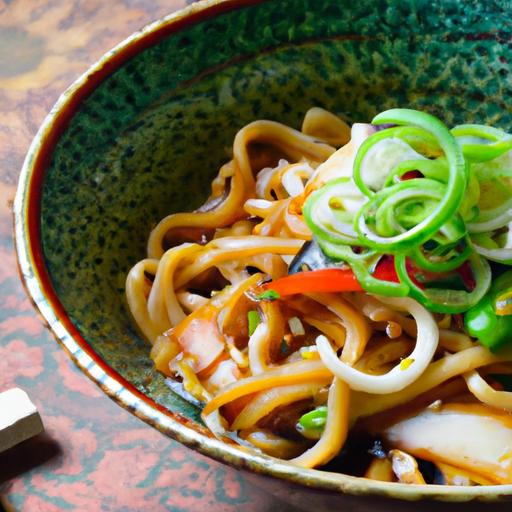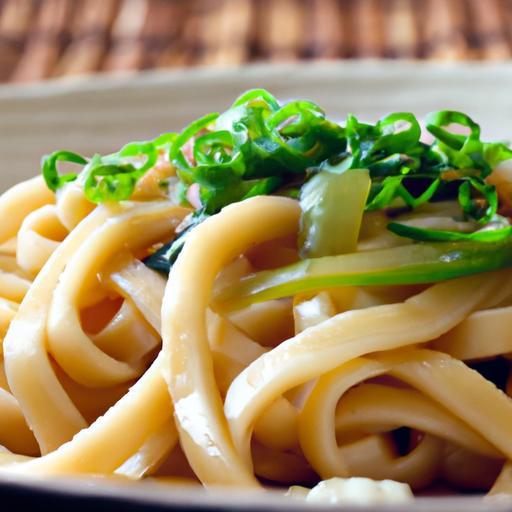
There’s a comforting magic in a steaming bowl of udon noodles-thick, chewy strands that effortlessly soak up rich broths and vibrant sauces, turning every slurp into a moment of pure bliss. Whether you’re craving the simplicity of a classic kake udon or eager to explore bold, innovative twists bursting with flavors from across Asia, udon noodles offer endless possibilities. in this article, we’ll dive into a curated collection of slurp-worthy Asian udon noodle recipes that you can try today, each promising to satisfy your taste buds and inspire your kitchen adventures. Get ready to warm your soul and elevate your noodle game with these delicious creations!
Slurp-worthy Asian udon noodle recipes to try today invite you into a world where chewy, thick noodles become a canvas for an array of textures and flavors. These iconic Japanese wheat noodles carry centuries of tradition yet offer endless avenues for culinary creativity. Whether you seek the comfort of a steaming classic bowl or crave bold, unexpected twists, mastering udon unlocks a delicious journey of taste and tactile delight.
Prep and Cook Time
- Preparation: 15 minutes
- Cooking: 20 minutes
- Total Time: 35 minutes
Yield
Serves 4 generous portions
Difficulty Level
Medium – approachable for home cooks familiar with Asian ingredients
Ingredients
- 400g fresh udon noodles (or dried, soaked according to package)
- 6 cups dashi broth (homemade or store-bought, preferably kombu and shiitake-based)
- 2 tbsp soy sauce (low sodium)
- 1 tbsp mirin (Japanese sweet rice wine alternative)**
- 1 tsp sugar
- 200g shiitake mushrooms, sliced
- 1 medium carrot, julienned
- 100g baby spinach
- 2 scallions, thinly sliced
- Soft boiled eggs (optional, for garnish)
- Sesame seeds, toasted, for garnish
- 1 tbsp toasted sesame oil
- 1 block (200g) firm tofu, pressed and cubed (optional for protein)
Instructions
- Prepare the broth: In a large pot, combine dashi broth, soy sauce, mirin, and sugar. Bring to a gentle simmer over medium heat to meld the flavors.
- Sauté the mushrooms and carrot: Heat sesame oil in a skillet over medium heat. Add sliced shiitake mushrooms and julienned carrot, sautéing until tender and fragrant, about 5-7 minutes. Set aside.
- cook the udon noodles: In a separate pot,bring water to a boil. Add udon noodles and cook according to package-usually 3-5 minutes for fresh. Drain and rinse under cold water to stop cooking and remove starch.
- Heat the tofu (optional): In the same skillet used for vegetables, lightly pan-fry tofu cubes until golden on all sides, about 6 minutes, turning frequently.
- Warm the broth: Return broth to a delicate simmer. Add sautéed vegetables and tofu (if using), cooking briefly to heat through.
- Assemble the bowls: Divide noodles evenly among four deep bowls. ladle hot broth with mushrooms, carrots, and tofu over noodles.
- Garnish and serve: Top each bowl with baby spinach (which will wilt from the heat), scallions, a halved soft boiled egg if using, and a sprinkle of toasted sesame seeds for crunch and aroma.
Tips for Success
- Dashi broth variety: For vegetarians, prepare a kombu (seaweed) and shiitake mushroom broth; for richer flavour, add dried bonito flakes if desired (omit for vegan).
- Noodle texture: Rinse udon noodles well after cooking to maintain chewy texture and prevent sticking; avoid overcooking which leads to mushy noodles.
- Vegetable options: Add crunchy elements such as sliced snap peas or radishes or try roasted kabocha squash for sweetness.
- Make-ahead: Broth can be prepared a day in advance and gently reheated before serving.
- Protein swaps: Use firm tofu, tempeh, or cooked edamame to keep the dish balanced and vegetarian-pleasant.
Serving Suggestions
Present your udon bowls piping hot with a side of pickled ginger or spicy kimchi for a flavor contrast. A drizzle of chili oil or a tiny mound of grated fresh ginger awakens the palate.Pair with a chilled cup of green tea or a radiant yuzu soda to cut through savory depth. Garnish with fresh cilantro leaves or nori strips for visual appeal and taste layers. Embrace the communal joy of slurping, and let each noodle coil bring you closer to an authentic Asian culinary experience.
| Nutrient | Per Serving |
|---|---|
| Calories | 320 kcal |
| Protein | 15 g |
| Carbohydrates | 45 g |
| Fat | 7 g |

For more inspiration, check out our Japanese noodle dishes collection and explore the layers of umami behind authentic Japanese udon.
Q&A
Q&A: Slurp-Worthy Asian Udon Noodle Recipes to Try Today
Q1: What makes udon noodles so special in Asian cuisine?
A1: Udon noodles are celebrated for thier thick,chewy texture and subtle wheat flavor,which make them incredibly versatile. Whether served hot in a savory broth or stir-fried with vibrant vegetables and proteins, udon noodles effortlessly soak up flavors, creating a comforting and satisfying dish every time.
Q2: Can udon noodles be used in both soup and stir-fry recipes?
A2: Absolutely! udon shines in both forms. In soups, they provide a hearty base that perfectly balances rich broths and fresh ingredients. In stir-fries, their sturdy texture holds up well against high heat, mixing wonderfully with sauces, crisp vegetables, and tender meats or tofu for a quick, flavorful meal.Q3: What are some exciting ingredients to pair with udon noodles for a flavor-packed experience?
A3: Traditional pairings include shiitake mushrooms, crisp bok choy, bright scallions, and silky tofu. For protein, chicken, beef, seafood like shrimp or squid, and egg options add depth. Flavor boosters like ginger, garlic, miso, soy sauce, and chili paste turn every bite into a vibrant celebration of umami.
Q4: How can I make a meat-free udon noodle dish that’s both tasty and satisfying?
A4: Plant-based udon dishes can be incredibly delicious! Consider a rich miso broth with seaweed, enoki mushrooms, and tofu cubes. Or, stir-fry udon with crisp bell peppers, snap peas, carrots, and a savory garlic-soy glaze. Don’t forget to finish with toasted sesame seeds and fresh herbs for extra punch.
Q5: Any tips for cooking udon noodles to get that perfect chewy texture?
A5: yes! If using dried udon, cook according to package instructions but avoid overcooking-al dente is key. Fresh or frozen udon often requires just a quick boil or rinse in hot water to warm through. After draining, tossing noodles with a bit of oil can prevent sticking, especially before stir-frying.
Q6: Can udon noodles be used in cold dishes?
A6: Definitely! Chilled udon salads or dipping noodles are refreshing options, especially in warm weather. Toss cooked and cooled noodles with a tangy sesame dressing, crunchy cucumber, and shredded carrot, or serve alongside a zesty soy-based dipping sauce for a light yet fulfilling meal.
Q7: Where can I find udon noodles if I want to try these recipes at home?
A7: Udon noodles are widely available in most Asian grocery stores, as well as many large supermarkets with international aisles. They come fresh, frozen, or dried-each with slight differences in texture and cooking time. Choose based on your recipe and convenience.Q8: How can I customize udon noodle dishes to suit different flavor preferences?
A8: Udon is a versatile canvas. For a sweeter note, add a drizzle of mirin or a handful of caramelized onions. Crank up the spice with fresh chili slices or chili oil. For extra earthiness, toss in roasted sesame seeds or browned garlic. The beauty lies in mixing and matching flavors that excite your palate!
Q9: What’s an easy weeknight udon recipe for beginners?
A9: A simple miso udon soup is a great starting point. Dissolve miso paste in hot vegetable broth, add cooked udon noodles, baby spinach, sliced shiitake mushrooms, and soft tofu cubes. Garnish with scallions and a sprinkle of toasted sesame seeds. It’s quick, nourishing, and utterly slurp-worthy!
Q10: Can udon dishes be adapted for dietary needs like gluten-free or vegan?
A10: While traditional udon is made from wheat and isn’t gluten-free, you can find gluten-free noodle alternatives with a similar texture, such as yam or rice-based noodles. For vegan adaptations, simply focus on plant-based broths and toppings-think vegetable broth, tofu, mushrooms, and crisp veggies-to keep the dish wholesome and delicious.
Enjoy diving into the delightful world of udon-each bowl promises comforting textures and vibrant flavors that are impossible not to slurp!
In Conclusion
As you’ve journeyed through these slurp-worthy udon noodle recipes, it’s clear that this humble noodle holds a world of flavor and versatility. Whether tossed in a savory broth, stir-fried with vibrant veggies, or dressed in a zesty sauce, udon invites you to savor every chewy bite. So,why wait? Roll up your sleeves,gather your favorite ingredients,and transform your next meal into an irresistible celebration of Asian culinary tradition. Your taste buds will thank you-and the satisfying slurp is just the beginning.