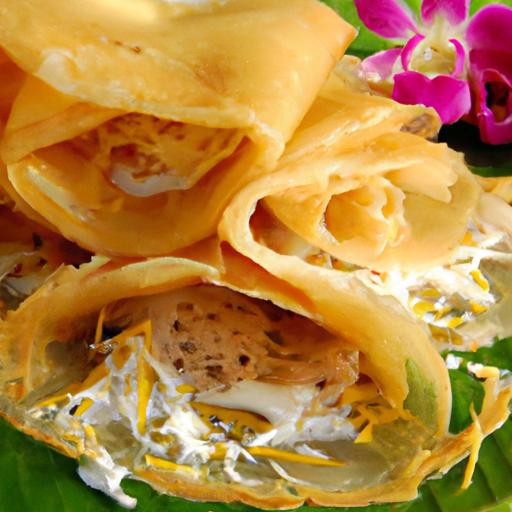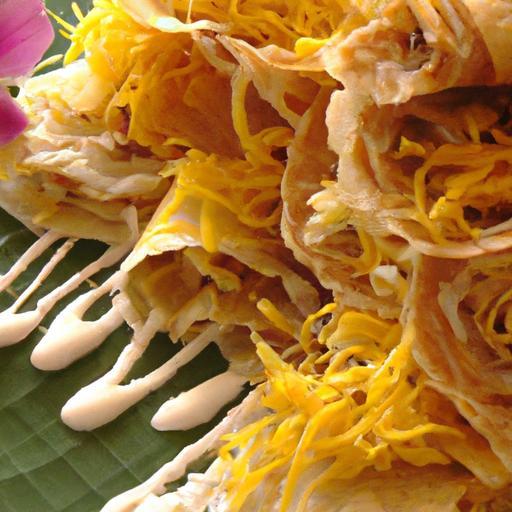
Golden, crispy, and irresistibly fragrant-Thai Khanom bueang, often dubbed the nationS beloved street-side treasure, offers a delightful journey into the heart of Thailand’s vibrant culinary heritage. These delicate coconut crepes, thin as lace and bursting with a harmonious blend of sweet and savory fillings, are more than just a snack; they are a nostalgic embrace of tradition wrapped in every bite. In this article, we unravel the story behind Khanom Bueang’s crisp exterior and luscious centers, exploring how this humble treat continues to captivate taste buds and preserve a timeless taste of Thai culture. Whether you’re a seasoned food lover or a curious traveler,prepare to embark on a flavorful adventure with Thailand’s iconic crispy coconut crepes.
Thai Khanom Bueang captures the essence of Thai street food with its irresistibly crispy texture and sweet-savory fillings, making it a beloved treat for locals and visitors alike. This delightful coconut crepe has centuries-old roots, tracing back to conventional marketplaces where vendors expertly crafted these golden delights over charcoal stoves. The delicate balance between the crackling shell and the luscious coconut cream or shredded coconut topping speaks to the artistry that Thai Khanom Bueang embodies, making it a sensory journey into Thailand’s culinary heritage.
Origins and Cultural Importance of Thai Khanom Bueang
Often dubbed the “Thai crispy pancake,” Khanom bueang has its origins steeped in Buddhist temple fairs and street markets, symbolizing shared community moments and joyful festivities. this street snack is more than just a sweet indulgence-it reflects Thailand’s resourceful use of coconut and rice flour, staples in the local diet. The recipe has been passed down thru generations, illustrating the cultural connection between food, festivity, and livelihood. In Thai culture, enjoying Khanom Bueang is often associated with family gatherings and seasonal festivals, embodying warmth, tradition, and a touch of nostalgia.
Prep and Cook Time
- Preparation Time: 20 minutes
- Cooking Time: 15 minutes
- Total Time: 35 minutes
Yield
Yields approximately 12-15 crispy coconut crepes
Difficulty Level
Medium: Requires attention to timing and temperature for perfect crispiness
Essential Ingredients and Traditional Preparation Techniques
- 1 cup all-purpose flour, sifted
- ¾ cup rice flour
- 1 cup coconut milk, full-fat for richness
- ½ cup granulated sugar
- 2 large eggs
- ¼ teaspoon turmeric powder (for vibrant color)
- ½ cup shredded fresh coconut (or unsweetened desiccated coconut)
- 2 tablespoons toasted white sesame seeds
- ½ cup sweetened shredded coconut cream or thickened coconut cream
- Pinch of salt
- Vegetable oil, for greasing the pan
Mastering the Art of Crispy Coconut Crepes
- Prepare the Batter: In a large bowl, whisk together the all-purpose flour, rice flour, turmeric, sugar, and salt. Add the eggs and slowly pour in the coconut milk while whisking continuously until you achieve a smooth, thin batter.
- Rest the Batter: Let the batter rest for 10-15 minutes-this helps the flours hydrate properly, resulting in a crisper crepe.
- Heat the Pan: Lightly grease a flat non-stick skillet or crepe pan over medium heat. Ensure the pan is hot before pouring in the batter for immediate crisping.
- Create thin Circles: using a small ladle (about 2 tablespoons),pour a thin layer of batter onto the pan,swirling quickly to form a delicate,thin crepe.
- Add Toppings: while the batter is still wet,sprinkle toasted sesame seeds and shredded coconut evenly across the top.
- Cook Until Crispy: Cook for 2-3 minutes or until the edges turn golden brown and the centre is fully set but still gently flexible.
- Fold with the Filling: Spoon a dollop of sweetened coconut cream on one side, then fold the crepe in half or roll gently. Remove from the pan and place on a cooling rack to maintain crispness.
- Repeat: Continue with the remaining batter, greasing the pan between each crepe for optimum crisp texture.
Chef’s Notes and Tips for Success
- Flour Blend Matters: Combining all-purpose and rice flour gives the perfect crispy yet slightly chewy texture unique to Thai Khanom Bueang.
- Don’t Skip Resting: Allowing the batter to rest is key to activating the rice flour’s crisping properties.
- Use Fresh Coconut: Whenever possible, use freshly shredded coconut for authentic flavor and texture.
- Temperature Control: Medium heat is crucial-too low and crepes get soggy, too high and they burn quickly.
- Make-Ahead: Cook the crepes and store in an airtight container with parchment layers for up to 2 days. Reheat quickly in a dry pan to revive crispiness.
serving Suggestions
Serve Thai Khanom Bueang warm, garnished with freshly grated coconut and a sprinkle of toasted sesame seeds. For a pop of color and freshness, add thinly sliced mango or a drizzle of palm sugar syrup on the side. pair these crispy coconut crepes with Thai iced tea or jasmine tea to balance the sweetness. For an elegant twist, offer small bowls of chopped peanuts and a dash of lime zest for guests to customize their bites. This snack shines as an afternoon delight or festive treat that invites sharing and celebration.

| Nutritional Details (per serving) | Calories | Protein (g) | Carbs (g) | Fat (g) |
|---|---|---|---|---|
| 1 crepe | 150 | 3 | 22 | 5 |
Craving to explore more authentic Thai sweets? Check out our detailed guide on traditional Thai Mango Sticky Rice to complement your dessert journey.For further reading on the cultural backdrop of Thai street foods,Britannica’s authoritative resource offers a deep dive into Thailand’s rich culinary tapestry.
Q&A
Q&A: Thai Khanom Bueang – Delight in Crispy Coconut Crepes
Q1: What is Khanom Bueang, and why is it so beloved in Thai cuisine?
A1: Khanom Bueang, frequently enough called Thai crispy pancakes, are delicate crepes with a satisfyingly crisp texture.These treats have been adored in Thailand for centuries, celebrated for their perfect harmony of crunchy exterior and flavorful fillings-usually a blend of sweet or savory ingredients like shredded coconut, coconut cream, or egg yolk threads. They offer a quick, delightful snack that combines texture and taste in every bite.
Q2: What ingredients give Khanom Bueang its signature crispiness?
A2: The crispiness comes primarily from the rice flour and mung bean flour batter,wich is spread thin and cooked over high heat. The heat crisps the edges while leaving a slight chewiness in the center. A touch of coconut milk in the batter adds richness and a subtle aroma that’s unmistakably Thai.
Q3: Are there different varieties of Khanom Bueang?
A3: Absolutely! Khanom Bueang typically comes in two flavor profiles: sweet and savory. Sweet versions often feature fillings like shredded coconut, white cream (made with coconut milk and coconut sugar), or golden threads made from egg yolk. Savory fillings can include chopped scallions, dried shrimp (for non-vegetarians), or even a mix of herbs and spices, offering a tantalizing contrast to the crisp pancake.
Q4: How is Khanom Bueang traditionally prepared and served?
A4: Vendors spread a thin layer of batter onto a hot griddle, then quickly add toppings while the crepe is still soft. Once the edges crisp, the pancake is folded in half and served fresh and warm. You’ll find Khanom Bueang sold at bustling street food markets, where the sizzling sound and fragrant aroma invite you to indulge in this delightful snack.
Q5: Can Khanom Bueang be made at home?
A5: Yes! While the technique requires some practice to achieve the perfect thinness and crispness, home cooks can recreate the magic by using a non-stick pan and a thin spatula. The batter is simple to mix, and fillings can be adapted based on what’s available-coconut flakes, toasted sesame seeds, or even chopped nuts make excellent choices.
Q6: What makes Khanom Bueang a unique cultural experience?
A6: More than just a tasty treat, Khanom Bueang embodies the vibrant spirit of Thai street food culture. Its preparation is often a lively performance-skillful flipping, rapid spreading, and creative topping-making it a feast for the eyes as well as the palate. Eating Khanom Bueang connects you to centuries of culinary tradition, showcasing Thailand’s mastery of balancing flavors and textures.
Q7: Are Khanom Bueang suitable for those with dietary restrictions?
A7: Many Khanom bueang recipes are dairy-free since they rely on coconut milk instead of cow’s milk. They can also be vegetarian-pleasant if filled with plant-based ingredients. However,be attentive to specific fillings and always inquire or prepare them yourself to ensure they align with your dietary needs.
Q8: Why should travelers try Khanom Bueang during their visit to Thailand?
A8: Sampling Khanom Bueang is like tasting a piece of Thai history-each crispy crepe tells a story through its delicate layers and flavorful toppings. It’s an affordable, authentic snack that encapsulates the joyous essence of Thai street food culture. Plus, the blend of textures and tropical flavors offers a refreshing break from typical tourist fare.
Whether you enjoy Khanom Bueang as a sweet nibble or a savory bite, these crispy coconut crepes are a must-try that will delight your senses and deepen your appreciation for Thailand’s rich culinary heritage.
The Way Forward
As the delicate crackle of Thai Khanom Bueang fades on your tongue, you’re left with more than just a lingering sweetness; you carry with you a bite-sized story of Thailand’s vibrant street food culture. These crispy coconut crepes, with their perfect harmony of crunchy edges and luscious fillings, are much more than a snack-they’re a celebration of tradition, flavor, and culinary artistry.So next time you wander through a bustling market or crave a taste of something truly unique, let Thai Khanom Bueang be your crispy passport to a world where every bite tells a tale. Delight in this timeless treat, and savor the crisp, coconut-kissed magic that has enchanted generations.