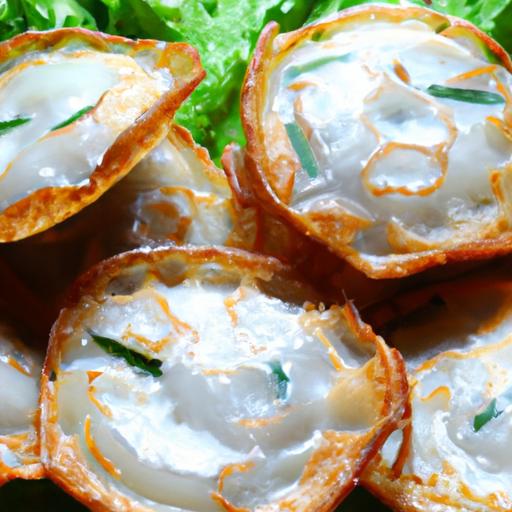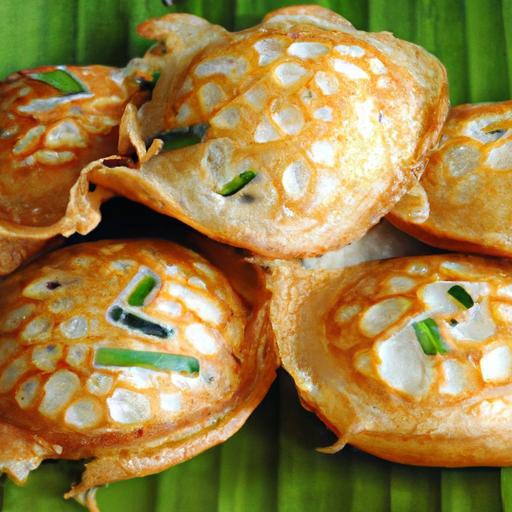
in the bustling streets of Thailand, where vibrant aromas waft from every corner, a humble yet enchanting treat captivates both locals and travelers alike-Khanom Krok, the iconic thai coconut pancake. These bite-sized delights, with their crisp golden edges and soft, creamy centers, tell a story far richer than their simple ingredients suggest.Behind each fluffy mound lies a sweet secret, woven from centuries of tradition, cultural nuances, and the tropical bounty of the coconut palm. Join us on a flavorful journey as we peel back the layers of Thai Khanom Krok, uncovering the history, technique, and irresistible charm that make these coconut pancakes a beloved treasure in Thailand’s culinary tapestry.
The Origins and Cultural Significance of thai Khanom Krok
Thai Khanom Krok is more than just a delightful coconut pancake; it’s a cherished tradition passed down through generations. Originating from bustling street markets and humble kitchens across Thailand, this snack embodies the heart of Thai street food culture. Traditionally cooked over cast-iron pans with small round indentations, Khanom Krok is a perfect marriage of crispy edges and a luscious, creamy coconut center. It is indeed frequently enough enjoyed during festivals, family gatherings, and casual afternoon snacks, symbolizing warmth, community, and the simple joys of sharing delightful food. For me, each bite evokes memories of colorful market stalls and the welcoming smiles of local vendors eager to share their treasured recipe.
Mastering the Art of the Perfect Coconut Pancake Batter
Achieving the ideal batter is at the core of tasty khanom Krok. The magic lies in balancing rice flour, coconut milk, and cooked rice to create a batter that steams to a creamy center yet crisps beautifully around the edges. The use of warm coconut milk infused with a hint of sugar and a pinch of salt enhances the subtle sweetness and depth of flavor, while the cooked rice adds texture and stability. The right batter consistency shoudl be pourable but thick enough to hold shape in the pan,creating the iconic pockets that fill with luscious coconut cream.
Exploring Unique Flavor Variations and Toppings
While classic Thai Khanom Krok celebrates coconut’s natural sweetness, you can awaken your palette with creative twists.Popular toppings include scallions for a savory contrast, corn kernels for bursts of sweetness, or crunchy toasted sesame seeds adding texture. some street vendors innovate with taro cubes or sweet pumpkin to infuse earthy flavors. For a subtle spicy kick,try a drizzle of palm sugar syrup infused with ginger. these variations honor Thai culinary creativity, inviting you to experiment and tailor the pancakes to your taste while retaining their authentic soul.
Essential Tips for Cooking Khanom Krok Like a Local Expert
To cook Khanom Krok like a seasoned Thai vendor, preheating your cast-iron or specialized Khanom Krok pan is key. A well-oiled pan ensures the pancakes release effortlessly and develop a light golden crust. Fill each indentation halfway to leave room for the two-part batter – the bottom rice flour-based layer and the creamy coconut cream topping poured in soon after. Covering the pan during cooking traps steam, perfectly melting the center without drying it out. Patience is crucial: cook on medium heat until the edges crisp and small holes appear on the surface before removing. With hands-on practice, your kitchen will soon echo the charm and delicious aroma of Thai street food stalls.
Prep and Cook Time
- Preparation: 15 minutes
- Cooking: 20 minutes
- Total Time: 35 minutes
yield
Makes approximately 24 small pancakes (serves 4)
Difficulty Level
Medium – requires some skill in managing batter consistency and pan temperature
Ingredients
- 1 cup all-purpose flour,sifted
- 1/2 cup cooked jasmine rice,mashed lightly
- 1 cup thick coconut milk
- 1/2 cup coconut cream
- 1/4 cup granulated sugar
- 1/4 tsp fine sea salt
- 1/4 cup chopped scallions (optional)
- 1/4 cup sweet corn kernels (optional)
- Vegetable oil for greasing pan
Instructions
- Combine dry ingredients: In a mixing bowl,whisk together all-purpose flour and mashed cooked rice until evenly blended.
- Prepare coconut milk mixture: Warm coconut milk gently, then stir in sugar and salt until dissolved. Let cool slightly.
- Create the batter: Gradually pour the warm coconut milk mixture into the dry ingredients, stirring constantly to form a smooth, thick batter.set aside.
- Heat and oil pan: Preheat your Khanom Krok pan on medium heat. Lightly brush each indentation with vegetable oil to prevent sticking.
- Fill bottom layer: Pour batter into each indentation, filling about halfway. The batter should spread evenly but not overflow.
- Add coconut cream topping: Spoon a small amount of coconut cream gently over each filled indentation, creating a creamy, contrasting layer.
- Add toppings (optional): Sprinkle scallions, corn kernels, or othre desired toppings onto each pancake immediately after adding coconut cream.
- Cover and cook: Place a lid on the pan to trap steam. Cook for 5-7 minutes over medium heat until the edges are golden and a few bubbles appear on the surface.
- Check doneness and remove: Using a small spatula or spoon, gently loosen the pancakes and remove carefully. They should be crispy on the outside, creamy in the middle.
- Serve warm: Enjoy immediately for the best texture and flavor.
Chef’s Notes
- To achieve authentic flavor, avoid substituting canned coconut milk with diluted versions; thickness matters.
- If you prefer a sweeter batter, increase sugar by 1-2 tablespoons, but balance to avoid overpowering the coconut.
- Use jasmine rice cooked slightly sticky for the best texture in the batter.
- Make-ahead tip: Prepare the batter in advance and refrigerate for up to 24 hours. Stir well before cooking.
- Pan alternatives include aebleskiver pans or well-seasoned cast iron muffin tins if you lack a conventional Khanom Krok pan.
Serving Suggestions
Serve these Thai Khanom Krok pancakes on a banana leaf or rustic wooden platter for an authentic presentation. Garnish with fresh cilantro leaves or edible flowers for vibrant color contrasts. Pair with a cup of Thai iced tea or lemongrass-infused cold brew to complement the rich coconut flavors. For added indulgence,drizzle lightly with palm sugar syrup or serve with a side of tropical fruit such as ripe mango or dragon fruit. Relish them warm, letting the contrasting textures melt luxuriously in your mouth.
| Nutrient | Per Serving (6 pieces) |
|---|---|
| Calories | 190 kcal |
| Protein | 3 g |
| carbohydrates | 28 g |
| Fat | 7 g |

Discover more delightful Thai street foods like Mango Sticky Rice to complement your coconut pancake adventure. For deeper insights into Thailand’s culinary heritage, explore the official tourism Thailand food guide.
Q&A
Q&A: Thai Khanom Krok – Exploring Coconut Pancakes’ Sweet Secrets
Q1: What is Khanom Krok and why is it so beloved in Thai cuisine?
A1: Khanom Krok is a traditional Thai street dessert that’s essentially a bite-sized coconut pancake. Crafted from a luscious mix of rice flour and coconut milk, it’s beloved for it’s perfect balance of creamy sweetness and subtle crunch. These little cakes charm locals and travelers alike with their warm, comforting aroma and uniquely textured layers that melt in your mouth.
Q2: what are the primary ingredients that make Khanom Krok so special?
A2: The magic of Khanom Krok lies in its simplicity: rice flour, fresh coconut milk, sugar, and a pinch of salt create the batter’s base. Some recipes add a touch of shredded coconut or quinoa for extra texture. The coconut milk imparts a rich, velvety flavor that is unmistakably tropical and deeply satisfying.
Q3: How is Khanom Krok traditionally cooked?
A3: Traditionally, Khanom Krok is cooked in a distinctive cast-iron pan dotted with half-sphere molds, resembling a mini muffin tin. The batter is poured into these wells and cooked over hot charcoal or gas flame, allowing the edges to crisp up perfectly while the centers remain soft and gooey-a contrast that’s delightful in every bite.
Q4: Are there any unique toppings or variations of Khanom Krok?
A4: Absolutely! toppings often enhance the sweet and savory harmony of Khanom Krok. Common additions include chopped green onions, sweet corn kernels, taro bits, or shredded coconut sprinkled on top before the batter sets. Some inventive vendors may drizzle a little palm sugar syrup or sprinkle toasted sesame seeds for an added layer of flavor.
Q5: Can Khanom Krok be enjoyed beyond its traditional form or flavor?
A5: While the classic Khanom Krok is beloved, modern chefs experiment by infusing natural ingredients like pandan, pumpkin, or taro into the batter, creating vibrant colors and fresh nuances.Even without altering its base, serving it with fresh tropical fruits-like mango or lychee-offers a playful contrast and refreshes the palate.
Q6: What cultural significance does Khanom Krok hold in Thailand?
A6: More than just a dessert,Khanom Krok represents the communal spirit of Thai street food culture. Vendors often prepare these treats right before your eyes, engaging in pleasant banter while the warm batter hisses on the griddle. It’s a nostalgic reminder of simple joys, familial recipes, and the art of slow, thoughtful cooking in a fast-paced world.
Q7: How can someone make Khanom Krok at home if they don’t have access to traditional pans?
A7: While the traditional pan does bestow the signature shape and texture, a cupcake or mini-muffin tin can serve as a practical option. To mimic the contrasting textures, try cooking at a moderately high heat and watch carefully to crisp the edges while keeping the centers tender. Using a non-stick surface and a light brush of oil helps achieve the classic caramelized crust.Q8: What tastes or flavors pair beautifully with Khanom Krok when served?
A8: Khanom Krok’s delicate sweetness and creamy texture pairs wonderfully with fresh tropical elements like ripe mango slices, tangy tamarind glaze, or a sprinkle of crushed toasted nuts for crunch. Additionally, a cup of fragrant jasmine or oolong tea complements its richness, cleansing the palate between bites.
Q9: Why is Khanom Krok a great dessert choice for those exploring plant-based or dairy-free options?
A9: As a naturally dairy-free treat, Khanom krok relies on coconut milk for creaminess, making it an excellent option for those avoiding dairy. Its plant-based ingredient list celebrates the richness of coconut and rice, providing indulgence that’s light, refreshing, and wonderfully vegan-friendly.
Q10: What should first-timers remember when trying Khanom Krok for the first time?
A10: Embrace the magic found in its contrasts-the crispy edges,the soft custard-like center,and the burst of coconut flavor. Try it warm, right off the griddle, and don’t hesitate to explore the variety of toppings and accompaniments available. Khanom Krok isn’t just a dessert; it’s a sensory journey into the heart of Thai tradition and tropical sweetness.
final Thoughts
As the last whispers of warm, creamy khanom krok melt away, we’re reminded that this humble coconut pancake is much more than a simple street treat – it’s a delicious tapestry of history, culture, and community. Every bite unlocks layers of sweet secrets, from its ancient origins to the artful technique passed down through generations. Whether enjoyed under the bustling glow of a night market or recreated in your own kitchen, Thai khanom krok invites you to savor not just a dessert, but a story-rich, vibrant, and utterly unforgettable. So next time you crave something uniquely sweet, let these golden coconut delights transport you to the heart of Thailand’s culinary heritage, one tender, coconut-kissed pancake at a time.