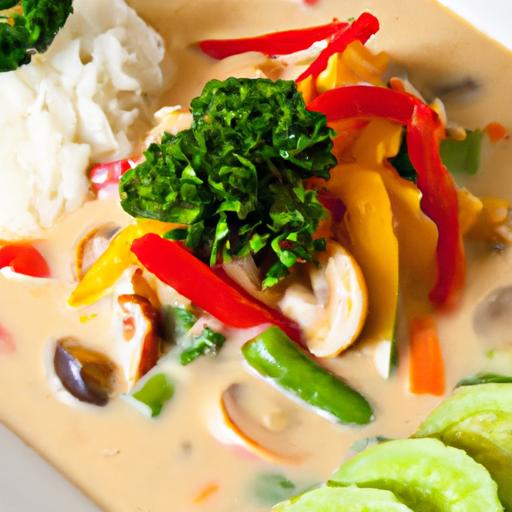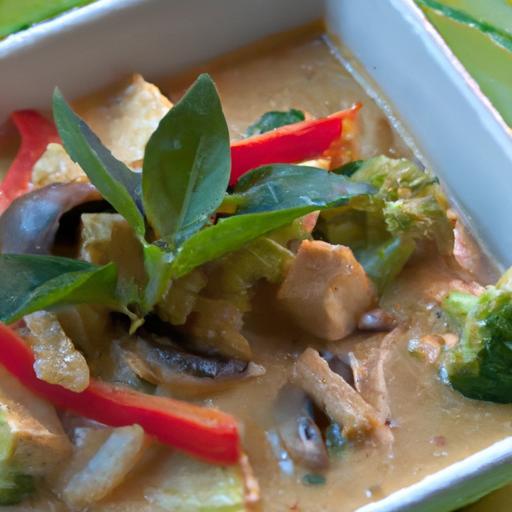
Vibrant hues, aromatic spices, and a symphony of flavors-Thai Red Curry with Vegetables invites you on a culinary voyage through the heart of Southeast Asia. This beloved dish, bursting with crimson richness and a delightful balance of sweet, spicy, and savory notes, transforms humble vegetables into a masterpiece of taste and texture. Whether you’re a seasoned foodie or a curious home cook,exploring this colorful flavor journey offers not only a feast for the senses but also a glimpse into Thailand’s rich culinary heritage. Join us as we dive into the art and soul of Thai Red Curry,uncovering the secrets behind its vibrant palette and irresistible allure.
Exploring the Vibrant Ingredients That Bring Thai Red Curry to Life
Thai Red Curry with Vegetables is a dazzling display of color, aroma, and complex flavor that transports you straight to the bustling street kitchens of Thailand. This dish marries a fragrant blend of spices and herbs with rich coconut cream, creating layers of heat and sweetness that strike the perfect balance. From fiery dried chilies to creamy coconut milk and the bright punch of fresh kaffir lime leaves, each ingredient plays an indispensable role in crafting the dish’s signature vibrancy.
The foundation is the red curry paste-a potent blend of dried red chilies, galangal, garlic, lemongrass, and shrimp paste (vegetarian options available). When combined with luscious coconut milk, it transforms into a silky sauce that envelopes every vegetable segment with warmth and depth.
Mastering the Perfect Balance of Spice and Creaminess in Your Curry
Achieving harmony between spice and creaminess is the heart of a truly memorable curry.Start by gently sautéing the red curry paste to awaken its aromatic oils before adding coconut milk. This slow integration tempers the chili heat while infusing richness. Adjust the spice level by varying the amount of curry paste and balancing with a touch of palm sugar or brown sugar to round out the flavors without overpowering the dish.
Incorporate lime juice or tamarind paste towards the end to introduce a tangy brightness that cuts through the creaminess. This interplay of piquant and smooth elements makes every bite complex yet approachable.
Choosing the Best Vegetables for a Nutritious and Flavorful Dish
Selecting a medley of colorful, fresh vegetables not only enhances visual appeal but also boosts nutrition and varying textures. Tender baby corn and crunchy snap peas add a satisfying crispness, while creamy eggplant soaks up the curry’s robust sauce beautifully. Bell peppers lend sweetness and vibrant hues, making the dish visually captivating.
Opt for seasonal produce where possible-carrots, zucchini, and green beans all hold up well in the simmering sauce.The key is cutting vegetables into uniform sizes to ensure even cooking and preserving their freshness and bite.
Tips for Serving and Pairing Thai Red Curry to elevate Your Meal
Serve your Thai red curry steaming hot over fragrant jasmine rice, which offers a delicate, slightly sticky texture to soak up every luscious drop of sauce. For a modern twist, try coconut rice or even aromatic basmati for contrasting flavors.
Garnishes like fresh Thai basil, torn cilantro leaves, and finely sliced red chili enhance aroma, color, and heat. Toasted cashews or crushed peanuts add an earthy crunch, balancing the silky softness of the curry.
For beverages, pair this dish with a lightly chilled Riesling or dry sparkling water infused with lime to refresh the palate in between spicy bites.

Prep and Cook Time
- Planning: 15 minutes
- Cooking: 25 minutes
- Total Time: 40 minutes
Yield
Serves 4 generous portions
Difficulty Level
Medium – requires balancing flavors and integrating ingredients smoothly
Ingredients
- 2 tablespoons red curry paste (store-bought or homemade, vegetarian-kind)
- 1 can (400ml) coconut milk, full-fat for creaminess
- 1 cup baby eggplant, halved
- 1 cup snap peas, trimmed
- 1 cup baby corn, halved lengthwise
- 1 red bell pepper, sliced thin
- 1 medium carrot, julienned
- 1 cup green beans, trimmed and halved
- 1 tablespoon vegetable oil (neutral)
- 2 kaffir lime leaves, torn
- 1 tablespoon palm sugar or light brown sugar
- 2 tablespoons soy sauce or tamari for depth
- Juice of 1 lime
- Fresh Thai basil and cilantro for garnish
- Crushed toasted peanuts or cashews (optional)
- Steamed jasmine rice, to serve
Instructions
- Heat the vegetable oil in a large skillet or wok over medium heat. Add the red curry paste and sauté gently until fragrant and oil begins to separate, about 2-3 minutes.Stir constantly to prevent burning.
- Slowly pour in the coconut milk in two additions, stirring continuously to combine with the curry paste. Bring the mixture to a simmer-this creates the silky curry sauce base.
- Add kaffir lime leaves and palm sugar, stir well until sugar dissolves entirely for balanced sweetness.
- Introduce the heartier vegetables first-add baby eggplant,baby corn,and carrots. Cook for 8 minutes, allowing them to soften while maintaining texture.
- Add the snap peas, green beans, and bell pepper.
- Stir in soy sauce and continue simmering for another 5-7 minutes until all vegetables are crisp-tender and infused with curry flavor.
- Finish with lime juice to brighten the sauce.Taste and adjust seasoning: add more soy sauce for saltiness or sugar for sweetness if needed.
- Remove kaffir lime leaves before serving to avoid any bitter bites.
- Plate the curry over steamed jasmine rice and garnish with fresh Thai basil, cilantro, and toasted nuts for added crunch and aroma.
Chef’s Notes
- For a vegan curry, ensure your red curry paste does not contain shrimp paste-many brands offer vegan options or you can make your own.
- If fresh kaffir lime leaves are unavailable, zest a lime for a similar citrus lift.
- Make ahead: The curry can be made a day in advance; flavors deepen overnight. Reheat gently adding a splash of coconut milk if it thickens too much.
- If your curry feels too spicy, add more coconut milk or a dash of sugar to mellow the heat.
- To incorporate protein, cubes of firm tofu or chickpeas blend beautifully into this vegetable-focused curry.
Serving Suggestions
Present this colorful curry in a deep bowl surrounded by a mound of fluffy jasmine rice. A scattering of freshly torn Thai basil leaves and coriander adds vivid green tones and fresh herbal notes. Crushed roasted peanuts or cashews sprinkled on top enhance texture contrast, while thinly sliced red chilies can be added for extra heat.
For an authentic Thai dining experience, serve alongside a crisp cucumber salad or a light papaya salad to provide refreshing contrast and crunch.
| Nutrient | Per Serving |
|---|---|
| Calories | 320 kcal |
| Protein | 6 g |
| Carbohydrates | 28 g |
| Fat | 20 g |
For further exploration of Thai flavors, check out our Thai green Curry Recipe, and discover even more vibrant meals. To deepen your understanding of Thai curry traditions, visit Encyclopedia Britannica’s Thai cuisine entry.
Q&A
Q&A: Thai Red Curry with Vegetables – A Colorful Flavor Journey
Q1: What makes Thai Red Curry such a beloved dish around the world?
A1: Thai Red Curry captivates food lovers with its harmonious blend of creamy coconut milk, fiery red chili pastes, and a medley of fresh herbs and spices. This balance of sweet, spicy, salty, and tangy flavors creates a dynamic taste experience that’s both comforting and exciting-truly a vibrant journey for the palate.Q2: How can vegetables shine in a Thai Red Curry?
A2: Vegetables add texture, color, and nutritional punch to the curry. Crunchy bell peppers, tender bamboo shoots, sweet carrots, and velvety eggplants soak up the rich, aromatic sauce while maintaining their distinct character. This lively mix of veggies turns the curry into a feast for the eyes as well as the taste buds.Q3: What are some essential ingredients for making an authentic Thai Red Curry with vegetables?
A3: Core ingredients include red curry paste made from red chilies, garlic, lemongrass, galangal, and shrimp paste (can be substituted with a fermented bean paste for vegetarian versions), creamy coconut milk, fresh kaffir lime leaves, Thai basil, and a colorful assortment of vegetables like zucchini, bell peppers, green beans, and Thai eggplants.
Q4: Can Thai Red Curry be customized for different dietary preferences?
A4: Absolutely! Thai Red Curry naturally lends itself to vegetarian and vegan adaptations by skipping meat and fish sauces in favor of soy sauce or tamari. Tofu, tempeh, or hearty mushrooms can be added for protein, while a bounty of fresh vegetables ensures the dish remains satisfying and full of flavor.
Q5: How crucial is fresh herb usage in Thai red Curry?
A5: Fresh herbs like thai basil and kaffir lime leaves are vital-they infuse the curry with bright, citrusy aromas that lift the richness of the coconut milk. These herbs contribute layers of complexity and authenticity, transforming the dish from merely good to truly unforgettable.
Q6: What tips can help home cooks master the perfect texture and flavor balance in their curry?
A6: Start by gently frying the curry paste to release its fragrant oils before adding coconut milk. Add vegetables in stages-denser veggies first, more tender ones later-to maintain their texture. Season gradually with fish sauce or a vegan choice and a touch of palm sugar to achieve that classic sweet-savory interplay. Lastly,finish with fresh herbs right before serving for peak aroma.
Q7: Why is thai Red Curry a great option for those exploring global flavors?
A7: Thai Red Curry is an accessible gateway into the complexity of Southeast Asian cuisine. its approachable ingredients and deeply satisfying taste profile invite cooks and eaters alike to explore vibrant spices and cooking techniques without intimidation-making it a delicious adventure for any kitchen traveler.
Closing Remarks
as our flavorful journey through the vibrant world of Thai Red Curry with Vegetables comes to a close, it’s clear that this dish is far more than just a meal-it’s an experience. Each spoonful offers a harmonious blend of spicy, sweet, and savory notes, painting a rich tapestry of flavors that celebrate the bounty of fresh vegetables and fragrant spices. whether you’re a seasoned home cook or a curious culinary explorer, embracing this colorful curry invites you to discover the heart of Thai cuisine right in your own kitchen. So next time you crave a dish that’s as gorgeous as it is bold, let the warm hues and dynamic tastes of Thai Red Curry guide you on a delicious, unforgettable adventure.