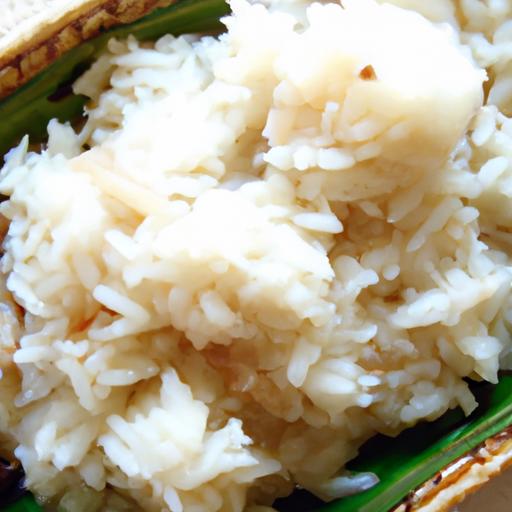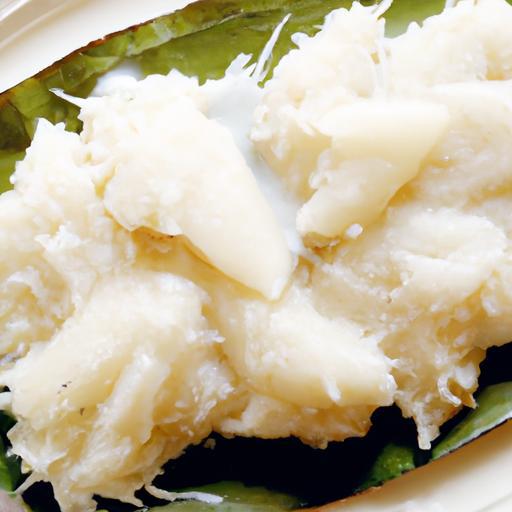
In the vibrant tapestry of Thai cuisine, few desserts capture the heart quite like Thai sticky rice with coconut milk. This sweet,chewy delight is more than just a treat-it’s a sensory journey that combines the rich creaminess of coconut milk with the tender,glistening grains of sticky rice. Revered for its luscious texture and subtle sweetness, this iconic dish invites you to experience a comforting blend of tradition and flavor that has been cherished for generations. Join us as we explore the origins, preparation, and irresistible charm of Thai sticky rice with coconut milk, a dessert that perfectly balances indulgence with simplicity.
Origins and Cultural Significance of Thai Sticky Rice with Coconut Milk
Thai sticky rice with coconut milk is a beloved dessert hailing from the vibrant street markets and home kitchens of Northern and Northeastern Thailand. This sweet, chewy delight holds a revered place in Thai culture, frequently enough enjoyed during festive occasions, celebrations, or simply as a comforting treat after a meal. With roots tracing back centuries, this dish embodies the harmonious marriage of tropical ingredients-sticky rice, coconut milk, and palm sugar-that reflect Thailand’s rich agricultural bounty and culinary creativity. The dish’s velvety texture paired with the subtle sweetness of coconut milk continues to captivate food lovers worldwide.
Key ingredients and How to Choose the Best Sticky Rice
When preparing Thai sticky rice with coconut milk, the foundation lies in selecting the ideal sticky rice, also known as glutinous or sweet rice. Unlike regular rice varieties, sticky rice possesses higher amylopectin content, which gives it that signature chewy texture. Opt for white glutinous rice with plump, uniform grains free of cracks or discoloration to ensure the best outcome.
Coconut milk quality is equally critical; choose a fresh or canned variety with at least 17-20% fat content for a rich, creamy finish. Avoid watered-down or low-fat versions as they can result in a thin, less satisfying sauce. palm sugar offers a complex caramel sweetness that balances the creaminess; however, light brown sugar can be a practical substitute if unavailable.
Step-by-Step Guide to Perfectly Creamy Coconut Milk Infused Sticky Rice
- 1 cup white glutinous sticky rice
- 1 1/4 cups coconut milk (full-fat recommended)
- 1/3 cup palm sugar (or light brown sugar)
- 1/2 tsp fine salt
- Toasted sesame seeds or mung beans (optional garnish)
- Rinse the sticky rice: Place the sticky rice in a fine mesh sieve and rinse under cold water until the water runs clear. This removes excess starch and prevents clumping.
- Soak: Transfer the rinsed rice to a bowl and cover with cold water. Soak for at least 2 hours, ideally overnight, to achieve that tender, chewy texture.
- Steam the rice: Drain the soaked rice thoroughly. Line a bamboo steamer or any steaming basket with cheesecloth and spread rice evenly. Steam over boiling water for about 15-20 minutes, lightly fluffing halfway to ensure even cooking.
- Prepare the coconut sauce: While steaming, combine coconut milk, palm sugar, and salt in a saucepan over low heat. Stir gently until sugar dissolves fully. Avoid boiling to keep the coconut milk smooth.
- Combine and rest: Once the rice is steamed, transfer it to a mixing bowl. Pour about two-thirds of the warm coconut sauce over the hot rice. Fold gently until fully absorbed. Cover and let it rest for 20 minutes to allow flavors to meld.
- Serve and garnish: Spoon the sticky rice onto small plates or banana leaves. drizzle the remaining coconut sauce on top and sprinkle with toasted sesame seeds or crispy mung beans for contrast.
Creative Serving Ideas and Pairings to Elevate Your Sweet Treat
Thai sticky rice with coconut milk shines brightest when paired with naturally sweet accompaniments. Classic presentation involves ripe fresh mango slices, whose vibrant yellow color and juicy sweetness complement the creamy rice perfectly. Alternatively, experiment with tropical fruits like durians, lychee, or even fresh berries for a modern twist.
For texture contrast, serve alongside crunchy toasted coconut flakes or sprinkle with crushed roasted peanuts. Incorporate floral notes by garnishing with edible jasmine flowers or fresh basil leaves. If you crave an extra indulgence, a dollop of whipped coconut cream or a few spoonfuls of pandan-infused syrup make lovely enhancements.
To enjoy this dish beyond dessert, pair it with mildly spiced Thai tea or a refreshing lemongrass-infused iced drink, balancing the rich sweetness with aromatic lightness.
| Nutrient | Per Serving (approx.) |
|---|---|
| Calories | 320 kcal |
| Protein | 4 g |
| Carbohydrates | 54 g |
| Fat | 9 g |
Tips for Success
- Use high-quality sticky rice: Authentic texture depends on pure glutinous rice, never substitute with regular jasmine rice as the result will be dry.
- Don’t rush soaking: Proper soaking is key to fluffy, sticky rice that absorbs coconut milk evenly.
- Steam, don’t boil: Direct boiling water will result in mushy rice. Steaming preserves the ideal chewy bite.
- Adjust sweetness to taste: palm sugar varies naturally in sweetness; start moderate and add after tasting.
- Make ahead tip: Sticky rice tastes best fresh but can be gently reheated by steaming again or microwaving with a damp cloth to restore moisture.

Discover more authentic Thai desserts by exploring our Thai Desserts Collection. For further reading on sticky rice varieties, check out this thorough overview by Britannica’s Rice Guide.
Q&A
Q&A: Thai Sticky Rice with Coconut Milk – A Sweet, Chewy Delight
Q1: What makes Thai sticky rice with coconut milk so special?
A1: The magic lies in its unique texture and balance of flavors. Sticky rice, also known as glutinous rice, is wonderfully chewy and slightly sticky, creating the perfect canvas for the rich, creamy coconut milk. When combined, the sweet and luscious coconut milk seeps into the sticky grains, transforming the rice into a decadent, comforting treat that’s both simple and indulgent.
Q2: How is sticky rice different from regular rice?
A2: Unlike regular long-grain rice, sticky rice is short-grain and glutinous, meaning it becomes sticky and clumps together when cooked. This stickiness isn’t from gluten but from its high amylopectin content,which gives it that characteristic chewy and moldable texture-ideal for desserts and customary Thai dishes alike.
Q3: Can I use regular coconut milk, or is there a preferred type?
A3: For the creamiest and most authentic flavor, use full-fat coconut milk. It’s richer and thicker, which helps the rice absorb that luscious coconut essence perfectly. Light coconut milk can work in a pinch but may result in a thinner sauce and less indulgent mouthfeel.
Q4: Is Thai sticky rice with coconut milk only eaten as a dessert?
A4: While it’s most famously enjoyed as a dessert, often paired with ripe mango or fresh fruits, sticky rice with coconut milk can also serve as a sweet snack or breakfast treat. It’s incredibly versatile and beloved for any time you crave a sweet, comforting bite with a tropical twist.
Q5: How do you traditionally prepare the sticky rice for this dish?
A5: The traditional method involves soaking the sticky rice for several hours or overnight, then steaming it (not boiling) to maintain that tender yet chewy texture. This gentle steaming allows the grains to cook evenly without becoming mushy-a key to the perfect sticky rice experience.
Q6: what role does sugar play in the coconut milk mixture?
A6: Sugar balances the natural richness of the coconut milk with sweetness, enhancing the overall flavor without overpowering the rice’s delicate which nutty sweetness.Brown sugar or palm sugar is frequently enough used for a deeper, more caramel-like note, but white sugar works beautifully too.
Q7: Are there any popular toppings or accompaniments?
A7: Absolutely! Fresh ripe mango is the classic partner, bringing juicy, fragrant sweetness that contrasts with the creamy rice.Toasted sesame seeds, shredded coconut, or a sprinkle of crushed roasted peanuts can add a delightful crunch and subtle nutty flavors, elevating each bite.
Q8: Can this dish be made vegan or gluten-free?
A8: Yes! Thai sticky rice with coconut milk is naturally gluten-free and vegan,relying on just rice,coconut milk,sugar,and salt. This makes it a perfect dessert for a wide range of dietary preferences and restrictions, celebrating wholesome, plant-based ingredients.
Q9: Is sticky rice with coconut milk difficult to make at home?
A9: Not at all! While it may seem exotic, the ingredients are simple and the technique straightforward. With some soaking time and patience for steaming, anyone can recreate this sweet, chewy delight in their own kitchen-and impress friends with an authentic taste of Thailand.
Q10: What’s an easy tip for serving sticky rice with coconut milk?
A10: Serve the sticky rice warm, drizzled generously with coconut sauce, and enjoy it immediately for the best texture and flavor.If you prepare it ahead of time, gently reheat with a splash of coconut milk to restore its creamy softness before serving.
the Way Forward
whether enjoyed as a comforting street-side snack or a delicate dessert at a festive gathering, Thai sticky rice with coconut milk embodies the perfect harmony of sweet, creamy richness and chewy texture. This beloved treat not only tantalizes the taste buds but also offers a glimpse into Thailand’s rich culinary heritage, where simple ingredients come together to create unforgettable flavors. So next time you crave something both satisfying and sweet, let the luscious blend of coconut-infused sticky rice transport you to the vibrant heart of Thailand-one bite at a time.