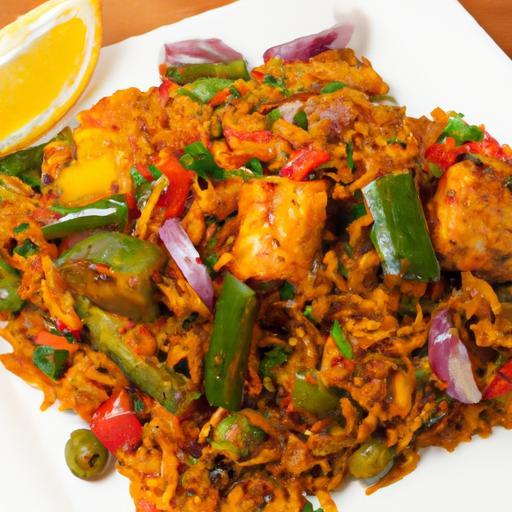
Across bustling street markets and vibrant family gatherings, the rich aroma of sizzling tomatoes, fiery peppers, and fragrant spices fills the air-heralding the arrival of one of Africa’s most beloved culinary treasures: Jollof rice. This iconic dish, with its deep red hues and tantalizing flavors, is much more than just a meal; it is a symbol of heritage, party, and unity that transcends borders. Join us as we embark on a flavorful journey through the history, cultural meaning, and diverse regional twists of African Jollof rice, unveiling the secrets behind its enduring allure and why it continues to captivate palates around the world.
The Flavorful Journey of African Jollof Rice Unveiled: Origins and Evolution Across West Africa
The Flavorful Journey of African Jollof Rice Unveiled reveals more than just a beloved dish-it uncovers a rich tapestry of culture, history, and vibrant flavors that span across West Africa.rooted deeply in tradition, Jollof rice has evolved through centuries, becoming a symbol of celebration, unity, and culinary pride from Senegal to Nigeria and Ghana. Personally, my first bite of a perfectly cooked Jollof rice transported me to a lively family gathering where aromas of smoked peppers and fragrant spices danced in the air-a memory I cherish and recreate daily.
Prep and Cook Time
- Readiness: 20 minutes
- Cooking: 45 minutes
- Total Time: 1 hour 5 minutes
Yield
Serves 6 generous portions
Difficulty Level
Medium – perfect for adventurous home cooks keen on mastering regional nuances
Ingredients
- 2 cups long-grain parboiled rice, rinsed thoroughly
- 1/4 cup vegetable oil (preferably palm or groundnut oil for authenticity)
- 1 large onion, finely sliced
- 3 large fresh tomatoes, blended smooth or 1 can (400g) of plum tomatoes
- 1/4 cup tomato paste
- 2 red bell peppers, roasted and blended
- 2 Scotch bonnet peppers, minced (adjust for heat preference)
- 4 cloves garlic, minced
- 1 thumb-sized piece of ginger, grated
- 2 teaspoons smoked paprika
- 1 teaspoon dried thyme
- 2 bay leaves
- 4 cups chicken or vegetable broth
- Salt and black pepper to taste
- 1 cup mixed vegetables (optional: peas, carrots, green beans)
- Fresh parsley or coriander for garnish
Instructions
- Rinse the rice under cold water until the water runs clear to remove excess starch-this ensures fluffy grains.
- Heat oil in a heavy-bottomed pot over medium heat. Add sliced onions and sauté until translucent and golden, about 5 minutes, stirring often to prevent burning.
- Add minced garlic and ginger, and cook for 2 minutes until fragrant.
- Stir in blended tomatoes, tomato paste, roasted red peppers, and scotch bonnet peppers. Simmer the sauce down for 15-20 minutes, stirring occasionally until it thickens and the oil begins to separate-this intensifies the flavor.
- Season the sauce with smoked paprika, dried thyme, bay leaves, salt, and black pepper. Adjust heat if necessary.
- Add the rinsed rice to the pot, stirring well to coat every grain in the vibrant sauce.
- Pour in the broth carefully, ensuring the rice is just covered (about 4 cups, add a little more if needed).
- Bring to a boil, then reduce heat to low, cover tightly with a lid, and simmer gently for 25-30 minutes without lifting the lid to allow the rice to steam perfectly.
- Five minutes before cooking ends, stir in mixed vegetables if using, and cover again.
- Once done, fluff the rice gently with a fork. Remove bay leaves and let it rest covered for 5 minutes before serving.
Tips for Success
- Use long-grain parboiled rice to achieve that classic separate grain texture; rinsing removes excess starch for less stickiness.
- Slow-cooked tomato sauce with oil separation is your flavor benchmark-be patient during this step.
- Cover the pot tightly with foil or a heavy lid to trap steam for even cooking.
- Adjust the heat of Scotch bonnet peppers according to your tolerance; remove seeds for milder heat.
- For smoky complexity, consider adding a small piece of smoked fish or dried shrimp (optional).
- Leftovers taste even better the next day-store in airtight containers and reheat gently.
Serving Suggestions
present this sizzling bowl of Jollof rice garnished with freshly chopped parsley or coriander for a pop of color. Pair it with customary West African sides such as fried plantains for their sweet, caramelized contrast, crispy suya-spiced grilled chicken, or a cooling cucumber and tomato salad. A dollop of creamy yogurt or cooling kachumbari can also balance the warmth of the spices delightfully.
| Nutrient | Per Serving |
|---|---|
| Calories | 420 kcal |
| Protein | 8 g |
| Carbohydrates | 65 g |
| Fat | 12 g |

For more West African recipe inspiration,visit our complete cuisine guide or explore authentic cooking techniques on Britannica.
Q&A
Q&A: The Flavorful Journey of African Jollof Rice Unveiled
Q1: What is Jollof Rice,and why is it so beloved across Africa?
A1: jollof Rice is a vibrant,one-pot rice dish brimming with rich tomato sauce,aromatic spices,and often complemented by vegetables and proteins. It’s beloved for its bold flavors, communal appeal, and its ability to bring people together at celebrations and everyday meals alike. The dish’s warmth and zest capture the heart of African culinary traditions, making it a cherished comfort food from Senegal to South Africa.Q2: Where did Jollof Rice originate?
A2: Jollof Rice traces its roots back to the Senegambian region,specifically the Wolof people of Senegal and Gambia. The name “Jollof” itself is derived from “Wolof.” From there, it danced across West Africa and beyond, evolving uniquely in each country’s kitchen, influenced by local ingredients and tastes.
Q3: How does Jollof rice differ across African countries?
A3: While the core remains rice cooked in a rich, tomato-based stew, recipes vary delightfully. Nigerian Jollof often boasts smoky flavors from parboiled rice and a heavier tomato paste base; Ghanaian Jollof is noted for its slightly sweeter and spicier profile; Senegalese “Ceebu Jën,” considered a national dish, incorporates fish and a medley of vegetables. The variations tell stories of culture, geography, and heritage with every bite.
Q4: What makes a perfect Jollof Rice?
A4: The perfect Jollof balances smokiness, tang, spice, and subtle sweetness. it requires quality long-grain rice,fresh tomatoes or paste,onions,bell peppers,and a blend of spices like thyme,bay leaves,and chili. Achieving the coveted “party rice” texture-where every grain is separate yet infused-is both art and science, often perfected through experience and love.
Q5: What cultural significance does Jollof Rice hold?
A5: Beyond being a delicious meal, Jollof Rice is a cultural icon that symbolizes unity, pride, and celebration. It’s a staple at weddings, festivals, and gatherings, stirring amiable debates on who makes it best.In diaspora communities, it serves as a tasty link to homeland and identity, sparking nostalgia and connection.
Q6: Has Jollof Rice influenced global cuisine?
A6: Absolutely! Jollof rice has captivated food lovers worldwide, making appearances on international menus and inspiring fusion dishes. Its vibrant flavors have crossed borders, reminding us that food is a worldwide language of joy, heritage, and community.
Q7: How can one start exploring Jollof Rice at home?
A7: begin with simple ingredients: ripe tomatoes or canned paste, rice, onions, peppers, and your favorite protein. Experiment with spices to find your signature flame.The key is patience-allow the rice to absorb the essence of the sauce and enjoy the delightful aromas filling your kitchen. Each attempt brings you closer to mastering this flavorful journey.
Step into the heart of Africa’s kitchens with Jollof Rice-the dish that’s more than food, it’s an experience celebrating heritage, passion, and the unforgettable magic of flavor.
Future Outlook
As the final grains of aromatic rice settle and the tantalizing spices linger on our palates, the vibrant story of african Jollof Rice reveals itself not just as a dish but as a cultural emblem-rich with history, infused with regional pride, and united by a shared love for bold, soulful flavors.From bustling street markets to family gatherings, Jollof Rice continues to ignite conversations, inspire culinary creativity, and celebrate the diverse tapestry of African heritage. So next time you savor a steaming plate of this beloved dish, remember you’re tasting more than just food-you’re partaking in a flavorful journey that spans continents, generations, and hearts.