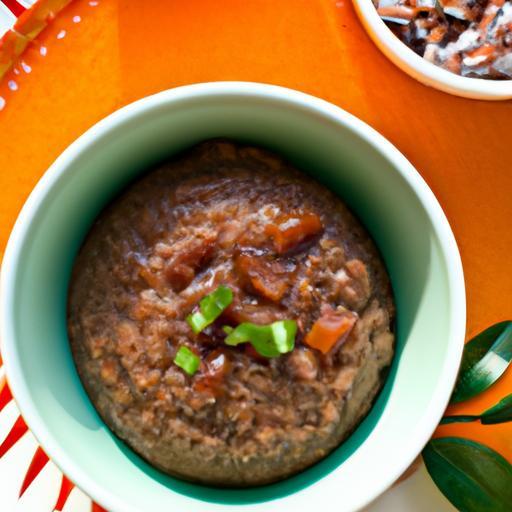
In the heart of West Africa, where vibrant cultures intertwine and ancient traditions flourish, a humble dessert tells a story of heritage, warmth, and party. Thiakry, often lovingly referred to as Senegal’s millet delight, is more than just a sweet treat-it is a culinary emblem that captures the essence of Senegalese life. Crafted from millet grains, enriched with creamy yogurt, and infused with fragrant spices and dried fruits, Thiakry is a dish that bridges generations and brings people together. In this article, we embark on a flavorful journey to discover the origins, ingredients, and cultural significance of Thiakry, revealing why this traditional millet dessert continues to enchant palates both in Senegal and beyond.
Thiakry delight is not just a dessert; it embodies a rich cultural tapestry woven into Senegalese culinary tradition. Often enjoyed during festive occasions and family gatherings, this creamy millet pudding offers a glimpse into West Africa’s resourceful use of local grains and vibrant flavors. My first encounter with thiakry was under a towering baobab tree in Dakar, where its sweet, spiced notes perfectly complemented the rhythmic hum of daily life. it’s this authentic connection that makes preparing thiakry at home so special – a celebration of heritage served in a bowl.
Prep and Cook Time
- Readiness: 15 minutes
- Cooking: 10 minutes
- Chilling: 2 hours (recommended)
yield
- Serves 4 generously
Difficulty Level
- Easy - perfect for both beginners and experienced cooks
Ingredients
- 1 cup millet grains, rinsed thoroughly
- 3 cups whole milk (or coconut milk for a dairy-free twist)
- 1 cup natural yogurt, plain and unsweetened
- ¾ cup sweetened condensed milk
- ½ cup powdered sugar (adjust to taste)
- 1 teaspoon vanilla extract
- 2 tablespoons toasted coconut flakes (optional garnish)
- 1 teaspoon ground cinnamon
- ¼ cup raisins or chopped dried apricots (optional)
- Fresh mint leaves for garnish
Step-by-Step Guide to Preparing Authentic Thiakry at Home
- Toast the Millet: In a dry skillet over medium heat, gently toast the millet grains until they are fragrant and start to turn golden, approximately 5 minutes.Stir continuously to prevent burning.
- cook the Millet: Transfer toasted millet to a saucepan and add the milk. Bring to a gentle simmer over medium-low heat, stirring occasionally to avoid sticking, and cook until the millet softens and the mixture thickens, about 10 minutes. remove from heat and let cool slightly.
- Prepare the Creamy Mixture: In a large mixing bowl, combine the yogurt, sweetened condensed milk, powdered sugar, and vanilla extract. Whisk until smooth and creamy.
- Incorporate the Millet: Fold the cooked millet into the creamy mixture, adding ground cinnamon and dried fruit if desired. Mix well to ensure even distribution of flavors.
- Chill: Cover the bowl with plastic wrap and refrigerate for at least 2 hours. This allows the flavors to meld beautifully and the pudding to thicken further.
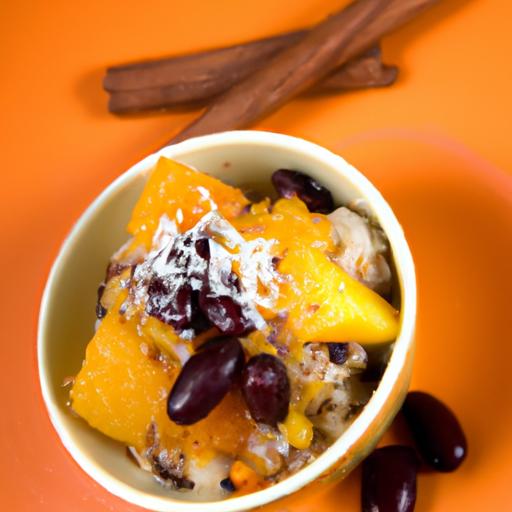
- Serve: before serving, gently stir the thiakry and spoon it into individual bowls or glasses. Garnish with toasted coconut flakes and fresh mint leaves for an inviting presentation.
Tips for Success
- Millet Texture: For a smoother texture, pulse the cooked millet briefly in a food processor before mixing with yogurt.
- Dairy-Free Variation: Substitute whole milk and yogurt with coconut milk and coconut yogurt to retain creaminess without dairy.
- Adjust Sweetness: Sweetened condensed milk adds richness; reduce powdered sugar if you prefer a lighter sweetness.
- Make Ahead: Thiakry thrives when made a day in advance, allowing flavors to deepen overnight in the fridge.
- Customization: Try adding chopped pistachios, toasted almonds, or a splash of orange blossom water to personalize your thiakry delight.
Pairing Suggestions and Serving Tips to Elevate Your Thiakry Experience
Thiakry delight pairs wonderfully with fresh,tropical fruits like mango,pineapple,or sliced bananas. A side of dried fruit chutney can introduce a tangy contrast while a cup of lightly spiced Senegalese ginger tea offers a warming complement to the cool and creamy pudding. Serve chilled in clear glass bowls to highlight the subtle specks of cinnamon and colorful dried fruit, and garnish generously with toasted coconut flakes and a few sprigs of mint for a visually stunning presentation.
| Nutrient | Per serving |
|---|---|
| Calories | 280 kcal |
| Protein | 8 g |
| Carbohydrates | 42 g |
| Fat | 7 g |

For more authentic African recipes, explore our Senegalese cuisine guide. Learn about millet’s nutritional benefits from World Health Institution.
Q&A
Q&A: Thiakry Delight – Exploring Senegal’s Traditional Millet Dessert
Q1: What is Thiakry and why is it notable in Senegalese cuisine?
A1: Thiakry (also spelled “thiakry” or “chakery”) is a beloved traditional Senegalese dessert made primarily from fermented millet granules mixed with sweetened yogurt or milk. It holds a special place in senegalese cuisine as a symbol of cultural heritage and communal celebration, often enjoyed during festivals, family gatherings, and everyday meals. Its creamy texture and subtly tangy sweetness make it both refreshing and nourishing.
Q2: What are the key ingredients that make up authentic Thiakry?
A2: Authentic Thiakry centers on millet granules (sometimes couscous-style), which are soaked until soft and then combined with natural yogurt or milk. Common flavor enhancers include sugar or honey, vibrant dried fruits like raisins or dates, and aromatic spices such as vanilla or nutmeg. Occasionally, chopped nuts or coconut flakes are added to bring delightful crunch and depth to the dessert.
Q3: How is millet used in Thiakry, and why is it important?
A3: Millet is a staple grain in west Africa, prized for its resilience and nutritional value. In Thiakry, millet is either steamed or soaked overnight to achieve a delicate, fluffy texture resembling small pearls or couscous. This millet base is important because it provides a subtle earthiness that balances the sweetness of the yogurt and sugar, creating a harmonious blend of flavors and textures unique to Senegalese tradition.
Q4: Can you describe the traditional preparation process of Thiakry?
A4: Preparing Thiakry begins with soaking or steaming millet granules until tender. Meanwhile, sweetened yogurt or fresh milk is prepared, often infused with vanilla or a hint of spice. The millet is gently folded into the creamy base, and additional ingredients like dried fruits, nuts, or coconut are tossed in for added texture and flavor. The dessert is chilled for several hours, allowing the flavors to meld into a cool, satisfying treat perfect for warm climates.
Q5: What occasions or cultural moments is Thiakry typically associated with?
A5: Thiakry is a dessert that appears in various cultural contexts across senegal. It is traditionally served during festive occasions such as weddings, religious celebrations like Tabaski (Eid al-Adha), and communal feasts where sharing food symbolizes unity and hospitality. Its presence on the table is not just about taste but also about reinforcing community bonds and honoring tradition.
Q6: Are there modern twists on thiakry that contemporary cooks are exploring?
A6: Absolutely! modern culinary enthusiasts in Senegal and beyond are experimenting with Thiakry by incorporating fresh tropical fruits such as mango or passion fruit, blending in plant-based yogurts for a vegan-friendly option, or adding a sprinkle of cinnamon or cardamom to elevate its aromatic profile. Some chefs also present Thiakry in layered parfait-style cups, marrying presentation with flavor to appeal to younger generations while respecting its roots.
Q7: How does Thiakry reflect senegal’s agricultural and cultural heritage?
A7: Thiakry beautifully embodies Senegal’s reliance on millet as a traditional crop and showcases the ingenuity of transforming simple grains into cherished cuisine.The dish highlights how staple ingredients are elevated through communal knowledge and cultural practices. As a dessert, it not only celebrates the harvest but also the spirit of sharing and conviviality central to Senegalese communities.
Q8: Can Thiakry be enjoyed outside of Senegal, and how accessible are its ingredients?
A8: Yes, Thiakry can be enjoyed worldwide, thanks to the increasing availability of millet and natural yogurts in global markets. While millet might be less common in some regions, many health food stores or specialty grocers carry it. With a few simple ingredients and a bit of time, anyone can experience this delightful dessert and connect with a vibrant part of Senegalese culture right at home.
This Q&A offers a flavorful glimpse into Thiakry, highlighting the dessert’s rich history, preparation, and evolving presence in modern cuisine – a true delight from Senegal’s culinary treasure trove.
Closing Remarks
As the flavors of Thiakry linger on the palate, we’re reminded that this humble millet dessert is much more than a sweet treat-it is a vibrant thread woven into the rich cultural tapestry of Senegal. Each spoonful tells a story of tradition, community, and the joyful celebration of simple, nourishing ingredients. Whether enjoyed at a festive gathering or as a comforting everyday indulgence, Thiakry invites us to savor not just its creamy texture and subtle sweetness, but also the heritage it carries across generations. Exploring this delightful dish offers a delicious glimpse into Senegalese life, reminding us that sometimes, the most unassuming desserts hold the deepest connections to a people and their history.