Beneath the swaying palms and sun-drenched skies of Africa lies a treasure trove of flavors waiting to be discovered: the humble pineapple. More than just a tropical fruit, the pineapple holds a revered place in many African culinary traditions, where its sweet, tangy essence transforms everyday dishes into vibrant celebrations of taste and culture. In this article, we embark on a flavorful journey through authentic African pineapple recipes-each bite a testament to the continent’s rich heritage and the ingenious ways local communities have embraced this golden fruit. From zesty sauces to luscious desserts,join us as we explore the tropical delights that make African pineapple cuisine truly unforgettable.
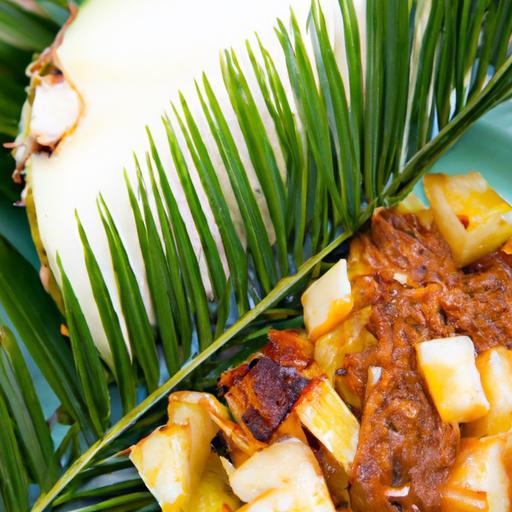
Tropical Delights: Exploring Authentic African Pineapple Recipes brings to life the vibrant sweetness and rich cultural heritage of African pineapples, a fruit celebrated across the continent for its juicy texture and tropical fragrance. This traditional East African dish, Spiced Pineapple Chutney, perfectly encapsulates the journey from farm to table – balancing sweet, tart, and warm spices to honour Africa’s culinary legacy while offering a unique flavor twist for modern palates.
Prep and Cook Time
Preparation: 15 minutes | Cooking: 30 minutes | Total Time: 45 minutes
Yield
Makes approximately 2 cups (~8 servings as a condiment)
Difficulty Level
Medium
Ingredients
- 3 cups fresh pineapple, peeled and diced
- 1 medium red onion, finely chopped
- 1/2 cup brown sugar, packed
- 1/3 cup apple cider vinegar
- 1 tbsp grated fresh ginger
- 2 cloves garlic, minced
- 1 tsp ground cinnamon
- 1/2 tsp ground cloves
- 1/2 tsp cayenne pepper (optional, for heat)
- 1/4 tsp salt
- 1 tbsp olive oil
- Juice of 1/2 fresh lemon
- 1/4 cup golden raisins (optional for sweetness and texture)
Instructions
- Heat the olive oil in a medium saucepan over medium heat. Add the finely chopped red onion and sauté until translucent and fragrant, about 5 minutes, stirring frequently enough to prevent browning.
- Add garlic and ginger and cook for 1 more minute, stirring to combine the aromatic flavors.
- Stir in diced pineapple, brown sugar, and apple cider vinegar. Bring the mixture to a gentle boil, then reduce heat to a simmer.
- Add the spices: cinnamon, cloves, cayenne pepper (if using), and salt. Stir well to evenly distribute the spices within the chutney.
- Allow to simmer uncovered for 25 minutes, stirring occasionally, until the mixture thickens and the pineapple turns soft and glossy. Be mindful not to scorch the bottom; lower the heat if necesary.
- In the last 5 minutes, fold in the golden raisins and squeeze in fresh lemon juice to brighten the flavor. Stir thoroughly to incorporate.
- Transfer the chutney to sterilized jars or containers and let cool to room temperature before refrigerating. It can be served promptly but flavors deepen with overnight chilling.
Chef’s Notes
- Variation: Substitute brown sugar with panela or honey for a more traditional African sweetness.
- Make ahead: This chutney stores well up to two weeks refrigerated and improves in complexity over time.
- Consistency tips: If the chutney becomes too thick,stir in a tablespoon of water or pineapple juice to loosen before serving.
- Spice level: Adjust cayenne pepper according to preference. For a milder version, omit entirely.
- Raisin replacement: Chopped dried apricots or dates work beautifully for added texture and sweetness.
Serving Suggestions
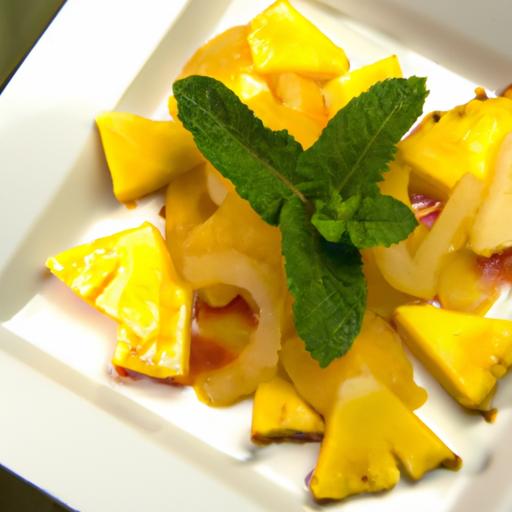
Serve this spiced pineapple chutney alongside grilled meats such as African grilled tilapia or roasted lamb to balance savory with tropical sweetness. It also works wonderfully as a zesty topping for sandwiches or paired with creamy cheeses on a charcuterie board. Garnish with fresh chopped cilantro or mint leaves for a burst of vibrant color and fresh aroma that complements the warm spices.

| Nutrient | Amount per 2 tbsp (30g) |
|---|---|
| Calories | 55 |
| Protein | 0.3g |
| Carbohydrates | 14g |
| Fat | 0.1g |
Discover more ways to integrate tropical flavors in your dishes by visiting the Food and Agriculture Association of the United Nations (FAO) for insight into African crops and culinary traditions.
Q&A
Q&A: Tropical Delights – Exploring Authentic African Pineapple Recipes
Q1: What makes African pineapple recipes uniquely special?
A1: African pineapple recipes stand out as they capture the vibrant spirit of the continent’s diverse cultures, blending bold spices, local ingredients, and traditional cooking methods. Pineapple isn’t just a fruit here-it’s a tropical canvas that tells a story of heritage, celebration, and community.
Q2: Which regions in Africa are best known for thier pineapple culinary traditions?
A2: West African countries like Ghana and Nigeria shine when it comes to pineapple dishes, often pairing the fruit with fiery peppers and aromatic herbs. East African regions such as Kenya and Tanzania also incorporate pineapple into stews and beverages, giving them a refreshing twist that reflects their coastal influences.
Q3: can you describe a popular traditional African pineapple recipe?
A3: One beloved recipe is Ghana’s “Pineapple Jollof Rice”-a brilliant fusion of the classic spicy rice dish infused with sweet pineapple chunks.The fruit balances the heat of the tomatoes and chili, creating a harmony that dances on the palate, making it a festive crowd-pleaser.
Q4: How is pineapple used beyond cooking in African cultures?
A4: Beyond the plate, pineapple holds symbolic and communal meaning. In some communities, it’s served as a welcoming gesture to guests. Pineapple juice and fermented drinks made from the fruit also play a vital role in social ceremonies and traditional celebrations, symbolizing hospitality and prosperity.Q5: Are there any unique cooking techniques applied to pineapples in African dishes?
A5: Definitely! Grilling pineapple over open flames while basting with spiced honey or palm syrup is a popular technique, which caramelizes its sugars and adds smoky depth. Pineapple is also sun-dried in some regions, concentrating its sweetness and making it a chewy treat or a flavorful ingredient for stews.
Q6: How can someone at home recreate authentic African pineapple flavors?
A6: Start by embracing bold spices like ginger, chili, and alligator pepper, and combine them with fresh pineapple chunks. Consider cooking pineapple with savory staples such as plantains, yams, or beans. Don’t shy away from experimenting with marinades or tropical salsas-these layers of flavor echo the lively culinary tapestry of Africa.
Q7: What role does pineapple play in health and nutrition within African diets?
A7: Pineapple is a powerhouse of vitamins, antioxidants, and digestive enzymes, making it both appetizing and beneficial. In traditional African diets, it’s often used not just for flavor, but as a natural remedy to aid digestion and boost immunity-proving that tropical delight can also be tropical medicine.
Q8: Why should food lovers explore African pineapple recipes?
A8: Exploring African pineapple recipes is a gateway to experiencing the warmth, creativity, and resilience of African cultures through food. Each dish offers a sensory journey-where sweet meets spicy, tradition meets innovation, and the tropical sun infuses every bite with joy. It’s more than cooking; it’s a celebration of life’s vibrant flavors.
Closing Remarks
As we close this flavorful journey through the sun-soaked realms of authentic African pineapple recipes, it’s clear that the pineapple is much more than a tropical fruit-it’s a vibrant thread woven into the rich tapestry of African culinary heritage. From tangy marinades that awaken the senses to luscious desserts that celebrate nature’s sweetness, these recipes invite us to savor the island spirit and cultural depth embedded in every bite. Whether you’re a seasoned cook or a curious foodie, exploring these tropical delights offers not just a taste of Africa’s warmth but a celebration of its creativity and tradition. so next time you slice into a juicy pineapple, remember: you’re not just enjoying a fruit-you’re partaking in a story that’s as bold and beautiful as the lands from which it hails.