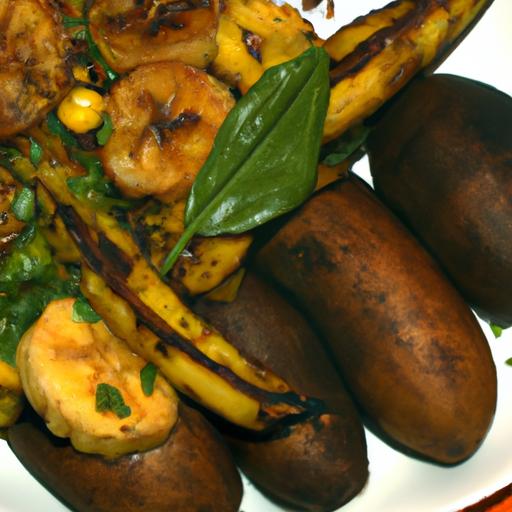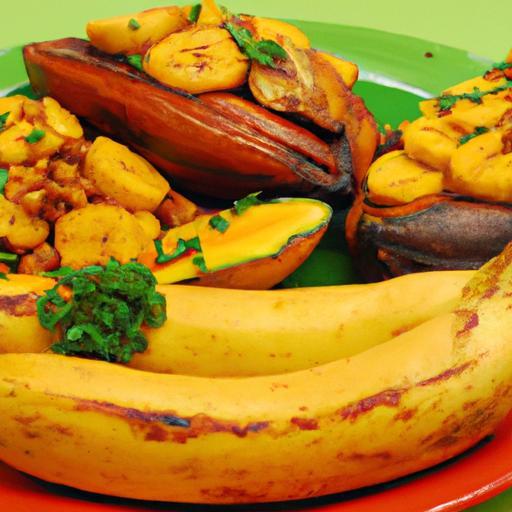
In the heart of East africa, where fertile soils meet vibrant cultures, the humble plantain transforms into a culinary treasure known as Matooke. Revered as Uganda’s national dish, Matooke is much more than just a meal-it is a flavorful journey into the country’s heritage, community, and agricultural richness.This savory classic, prepared by steaming peeled green plantains to tender perfection and often accompanied by rich sauces or stews, offers a unique taste experience that captures the essence of Ugandan hospitality.Join us as we explore the origins, readiness, and cultural significance of Matooke, uncovering why this simple yet satisfying dish remains a beloved staple on Ugandan tables and beyond.
Origins and Cultural Significance of Ugandan Matooke
Ugandan Matooke holds a cherished place in East African cuisine,celebrated for its comforting,savory flavor and cultural heritage. This classic dish, centered around green plantains, is deeply rooted in Ugandan traditions where it serves as a daily staple and a symbol of hospitality. Historically, Matooke was steamed in banana leaves by the Baganda people in central Uganda, often prepared on special occasions to honor guests and family gatherings. The ritual of peeling and wrapping the plantains carefully in banana leaves carries a communal spirit, reflecting not only sustenance but unity.
The rich aroma of Matooke steaming over an open fire evokes memories of village life, where the dish is enjoyed with savory stews or rich peanut sauces. Today, both rural and urban Ugandans embrace Matooke, celebrating its adaptability from humble kitchens to elegant restaurants, where contemporary twists meet tradition. Experiencing Matooke is more than tasting food; it’s a heartfelt journey through Uganda’s landscape and soul.
Step by Step Guide to Preparing Authentic Matooke
Creating authentic Ugandan Matooke at home invites you to revel in a sensory culinary adventure. Start by selecting firm,unripe plantains with a glossy sheen and intact peels-key to achieving the perfect texture and flavor. The process celebrates patience and respect for ingredients, delivering a tender, fragrant dish that comforts and delights.
Prep and Cook Time
- Preparation: 15 minutes
- Cooking: 45 minutes
- Total Time: 1 hour
Yield
Serves 4 generous portions
Difficulty Level
Medium – Requires attention to peeling and steaming techniques for best results
Ingredients
- 6 green plantains (Matooke), peeled and halved
- Banana leaves, cleaned and cut large enough for wrapping (optional but authentic)
- 1 medium onion, finely chopped
- 2 tablespoons vegetable oil or traditional ghee
- 1 cup water or vegetable broth
- Salt, to taste
- 1 teaspoon ground black pepper
- Optional: crushed garlic or a dash of cayenne pepper for heat
Instructions
- Prepare the plantains: Using a sharp knife, carefully peel each plantain by cutting off both ends, scoring the skin lengthwise, and gently prying off the peel to reveal the firm fruit.
- Wrap the plantains: If using banana leaves, lay each peeled plantain on a leaf segment, sprinkle lightly with salt and pepper, then fold the leaf tightly around the plantain and secure with kitchen twine.The leaves impart a luscious aroma and keep the plantains moist while steaming.
- Sauté onions: Heat the vegetable oil in a deep pan over medium heat. Add the finely chopped onion and sauté until golden brown,about 5 minutes,stirring regularly to avoid burning.
- Arrange plantains: Place wrapped (or unwrapped, if no leaves) plantains in the pan on top of the sautéed onions. Pour in the water or broth gently, covering about halfway up the plantains.
- Steam the Matooke: Cover the pan tightly with a lid. Allow the Matooke to steam gently on low heat for about 40-45 minutes, turning the plantains carefully halfway through to ensure even cooking. Check occasionally to add water if the pan runs dry.
- check doneness: The Matooke is ready when the plantains are soft, easily pierced with a fork, and infused with the rich steam aroma.
- Mash and serve: Remove the plantains from the pan or unwrap, then mash lightly with a fork or wooden spoon, retaining some texture. Serve hot as the centerpiece of your meal.
Pairing ugandan Matooke with Traditional and Modern Ugandan Dishes
Matooke’s mild, subtly sweet flavor makes it a versatile partner in many traditional Ugandan meals. It pairs beautifully with groundnut sauce, a creamy peanut-based stew packed with spices and vegetables, or with hearty beef or goat stews that soak into the plantains’ tender flesh. For a modern twist, Matooke complements grilled tilapia or spiced chicken, where the starchy base balances robust marinades.
for festive occasions,crowd-pleasers like chicken stew with rich tomato sauce pair perfectly, highlighting regional flavors. Garnish with fresh herbs or a drizzle of chili oil to enliven every bite. This dish invites creativity while honoring Uganda’s culinary heritage.
Tips for Selecting the Perfect Plantains and Enhancing flavors
- choose firm, green plantains: Avoid any with soft spots or yellow tinges to ensure the signature dense texture and subtle tartness.
- Use banana leaves: While optional, wrapping the Matooke in fresh banana leaves introduces a splendid earthy aroma and keeps the plantains moist and tender.
- control seasoning complexity: Authentic matooke stays simple, but adding a pinch of crushed garlic or a touch of chili can add warmth without overpowering the natural plantain flavor.
- Steaming vs boiling: steaming retains the plantains’ integrity better than boiling, which risks waterlogging them.
- Make ahead: Matooke reheats beautifully wrapped in banana leaves or foil. Re-steam or microwave gently to preserve softness.
Chef’s notes
For a vegan version, substitute vegetable broth for water and stick to vegetable oil.If banana leaves aren’t available, use aluminum foil tightly to mimic steaming conditions. When mashing, avoid overblending; the goal is a rustic texture that carries sauces well. Experiment by mixing in finely chopped spinach or kale for a green vibrant upgrade.
Serving Suggestions
Present Matooke in a rustic,banana-leaf-lined bowl to honor tradition visually. Serve alongside vibrant stews, shining tomato salads, or chili sauces for contrast.Garnish with freshly chopped cilantro or a sprinkle of roasted peanuts to add crunch and color. A side of fried fish or grilled meats completes this satisfying meal.

| Nutrient | Per serving |
|---|---|
| Calories | 210 kcal |
| Protein | 2 g |
| Carbohydrates | 55 g |
| Fat | 3 g |
Ready to dive deeper into East african culinary delights? Discover more Ugandan recipes in our Ugandan Cuisine Collection and enrich your kitchen repertoire today. For additional insights into plantains worldwide, visit the Encyclopedia Britannica entry on Plantains.
Q&A
Q&A: ugandan Matooke – Exploring the Savory Plantain Classic
Q1: What exactly is Matooke?
Matooke is a beloved traditional Ugandan dish made primarily from green plantains, which are peeled, wrapped in banana leaves, and then steamed to tender perfection. It’s a staple comfort food that forms the heart of many Ugandan meals, known for its subtle, slightly sweet flavor and soft, starchy texture.
Q2: Why is Matooke considered a classic in Ugandan cuisine?
Matooke is more than just food-it’s a cultural emblem. It has graced Ugandan tables for generations, symbolizing home, hospitality, and heritage. The dish carries the essence of Uganda’s rich agricultural bounty and showcases how simple ingredients can transform into something profoundly satisfying and heartwarming.
Q3: How is Matooke traditionally prepared?
The traditional preparation of Matooke starts by peeling green plantains, which are then mashed with salt and often wrapped tightly in banana leaves. These bundles are steamed over boiling water for several hours until the plantains turn soft and fragrant. The extracted aroma from the banana leaves infuses the dish, adding an earthy, smoky hint that elevates its flavor.
Q4: What makes Ugandan matooke different from other plantain dishes?
Unlike fried or boiled plantains common in other cuisines,Matooke offers a uniquely soft and creamy texture due to the steaming process wrapped in banana leaves. This method locks in moisture and subtle flavors,creating a mild,comforting base that perfectly complements spicy stews and rich sauces typical in Ugandan meals.
Q5: Can Matooke be paired with other dishes?
Absolutely! Matooke is commonly served alongside flavorful meat stews-like goat or beef-and rich peanut sauces, vegetable relishes, or beans. Its gentle flavor acts as the ideal canvas,soaking up the savory,spicy,and tangy notes of accompanying dishes,making every bite a harmonious blend of tastes.
Q6: Is Matooke nutritious?
Yes, Matooke is not only delicious but also nutritious. Green plantains are rich in dietary fiber, vitamins A and C, and essential minerals such as potassium. Combined with the traditional Ugandan protein and vegetable sides,Matooke meals provide a wholesome,balanced eating experience.
Q7: Can Matooke be adapted for modern or international palettes?
Certainly! While preserving its traditional roots, Matooke inspires creative culinary twists. Chefs worldwide experiment by pairing it with fusion sauces, serving it as a plantain mash base under grilled meats, or incorporating it into wraps and bowls. Its mild flavor makes it remarkably versatile across various cuisines.
Q8: Where can one try authentic Ugandan Matooke outside Uganda?
Authentic ugandan eateries in major cities around the world are increasingly introducing this savory classic.Additionally, food festivals celebrating African cuisine often feature Matooke, offering adventurous food lovers a chance to savor this charming dish. For the truly adventurous, trying it at home with a banana leaf and fresh green plantains can be a rewarding cultural experience.
Q9: Any tips for someone trying to make Matooke at home?
Patience is key! Take your time peeling the plantains-green plantains have a tough skin that requires care-and wrapping them snugly in banana leaves. if banana leaves aren’t accessible,foil can substitute,though the unique flavor will be less pronounced. Steaming is a slow process but ensures the right softness and taste. And remember, Matooke shines brightest when paired with bold, flavorful sides!
Q10: Why should food lovers explore Matooke?
Matooke is not just a meal-it’s a journey into Uganda’s heart and soils. It celebrates simplicity, tradition, and the magic that arises when humble ingredients are treated with love and patience. For anyone passionate about global flavors and cultural stories, Matooke offers a savory experience filled with history, warmth, and a uniquely African taste that lingers long after the last bite.
to sum up
From humble farms nestled in Uganda’s lush landscapes to bustling markets brimming with vibrant produce, Matooke stands as more than just a staple-it is a culinary emblem steeped in tradition and cultural pride. This savory plantain classic, with its unique texture and subtle flavor, invites food lovers to explore a dish that tells a story of community, heritage, and resilience. Whether enjoyed wrapped in banana leaves at a family gathering or savored alongside rich stews in a Kampala eatery, Matooke continues to nourish both body and soul. As you venture into the world of Ugandan cuisine, let this humble plantain guide your palate on a journey through the heart of East Africa’s culinary tapestry.