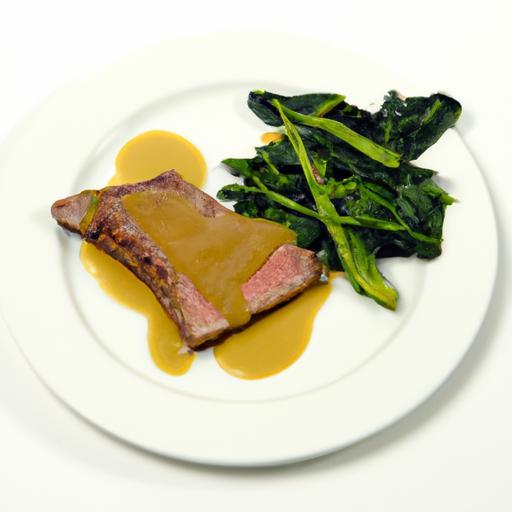
In the ever-evolving world of culinary arts, flavor is the ultimate frontier waiting to be explored. Beyond traditional recipes and familiar seasonings lies a realm where innovation sparks excitement and creativity transforms every bite into an unforgettable experience. “Unlocking Flavor: Innovative Techniques for Creative Cooking” invites you on a journey through cutting-edge methods that challenge the ordinary and elevate your culinary repertoire. From molecular gastronomy to unexpected ingredient pairings, this article unveils the secrets that unlock new dimensions of taste, inspiring both home cooks and seasoned chefs to reimagine what’s possible in the kitchen. Prepare to awaken your palate and ignite your inventiveness as we delve into the art and science of flavor like never before.
Harnessing Fermentation for Depth and Complexity
Unlocking Flavor: Innovative Techniques for Creative Cooking begins with exploring fermentation, a timeless process that transforms simple ingredients into bold, complex culinary treasures. Fermentation lends your dishes a vibrant tang, umami richness, and layered character that elevate everyday meals into remarkable sensory experiences.
One of my favorite fermented staples to create in the kitchen is a homemade miso-style fermented chickpea paste. Inspired by traditional Japanese fermentation, this plant-based condiment embodies depth and versatility. It can be used as a marinade,a savory spread,or a flavor booster in dressings and soups,delivering that signature fermented complexity without overpowering delicate ingredients.
Prep and Cook time
- Prep Time: 20 minutes
- Fermentation Time: 7 days (minimum)
- Cook Time: 10 minutes (for paste planning after fermentation)
Yield
- Makes approximately 1 cup of fermented chickpea miso paste
difficulty Level
- Medium – requires planning ahead for fermentation but simple techniques
Ingredients
- 1 cup cooked chickpeas (drained, reserve cooking liquid)
- 1 tablespoon sea salt
- 1/4 cup cooked brown rice (cooled)
- 2 tablespoons starter culture (unpasteurized miso or fermented koji)
- Water as needed for consistency
Instructions
- Prepare the Base: In a clean bowl, combine cooked chickpeas and brown rice. Mash gently with a potato masher or pulse lightly in a food processor until partially smooth but still retaining some texture.
- Add Salt and Starter: Stir in the sea salt and the starter culture thoroughly. Salt not only controls fermentation speed, it balances flavor and helps prevent spoilage.
- Transfer to Jar: Pack the mixture tightly into a sterilized glass jar, leaving about 1 inch of headspace. Press down to remove air pockets; you want the paste compacted.
- Seal and Ferment: Cover the jar with an airlock lid or a cloth secured with a rubber band. Place it in a cool, dark spot (ideally 65-75°F) for 7 days. Check daily to ensure no mold forms – discard if visible.
- Finish the Paste: After fermentation, blend the mixture again if needed, adding some reserved cooking water to achieve a spreadable consistency.
- Store: Refrigerate the paste in an airtight container for up to 3 months. Use as desired to boost umami in daily dishes.
Tips for Success
- Fermentation Temperature: Keep temperature steady to avoid sluggish or overly rapid fermentation.
- Starter Source: Unpasteurized miso works best; if unavailable, use a small amount of kimchi juice or sauerkraut brine as a substitute to kick-start beneficial microbes.
- Use Organic Ingredients: to promote a healthy fermentation habitat, prioritize organic and preservative-free chickpeas.
- Make-Ahead: This paste is ideal for prep days; ferment in bulk and store for months, elevating weekday meals instantly.
Serving Suggestions
This fermented chickpea miso paste pairs beautifully as a glaze over roasted vegetables or drizzled onto grain bowls. Try incorporating it into homemade vegan dressings or soups to add complexity without overpowering. Garnish finished plates with toasted sesame seeds, microgreens, or shaved radishes for a fresh, visually dynamic contrast.

| Nutrient | Per 2 tbsp Serving |
|---|---|
| Calories | 45 kcal |
| Protein | 3 g |
| Carbohydrates | 6 g |
| Fat | 0.5 g |
Mastering Sous Vide for Precision and Enhanced Texture
Unlocking Flavor: innovative Techniques for Creative Cooking takes precision to new heights by embracing sous vide, a method that allows full control over temperature and time to create perfectly cooked proteins and vegetables. This gentle, slow-cooking immersion preserves moisture, heightens texture, and intensifies natural flavors beyond ordinary stovetop or oven roasting techniques.
For an approachable introduction, try sous vide herb-infused chicken breast. This recipe yields unbelievably tender and juicy poultry with the subtle freshness of herbs suspended in every bite.
Prep and Cook Time
- Prep Time: 5 minutes
- Cook Time: 1 hour 30 minutes
- Finish Time: 5 minutes (searing)
Yield
- Serves 2
Difficulty Level
- Easy – minimal hands-on once sous vide is set
Ingredients
- 2 boneless, skinless chicken breasts
- 1 tablespoon olive oil
- 2 sprigs fresh thyme
- 2 sprigs fresh rosemary
- 1 teaspoon sea salt
- 1/2 teaspoon freshly ground black pepper
- 1 lemon, thinly sliced
Instructions
- Season the Chicken: Lightly coat chicken breasts with olive oil, then sprinkle evenly with salt and pepper.
- Bag the Ingredients: Place chicken breasts into a vacuum-seal or zip-lock bag along with thyme, rosemary, and lemon slices. Arrange in a single layer.
- Seal the Bag: Remove air carefully using a vacuum sealer or water displacement method for zip-lock bags, ensuring ingredients are well-packed.
- Sous vide Cook: Preheat water bath to 146°F (63.5°C). submerge bagged chicken and cook for 1 hour 30 minutes.
- Finish with a Sear: Remove chicken from bag,pat dry with paper towels. Heat a skillet on medium-high, add a dash of olive oil, and sear chicken 1-2 minutes per side until golden brown for texture and appealing color.
- Rest and Serve: Let rest briefly before slicing to retain juices.
Tips for Success
- Temperature Accuracy: invest in a reliable sous vide immersion circulator for even water temperature and consistent results.
- Searing: Make sure chicken surface is dry before searing to achieve a crisp, caramelized crust without steaming.
- Herb Variations: Swap rosemary and thyme for tarragon or sage based on your preferred flavor profile.
- Make-Ahead: Cook sous vide chicken in advance and refrigerate; reheat gently in the water bath before serving.
serving Suggestions
Savor this herb-infused sous vide chicken sliced atop a mixed greens salad, or plated alongside creamy mashed cauliflower and roasted root vegetables. Garnish with fresh herb sprigs and a lemon wedge to brighten each bite.

Incorporating Global Spice Blends to Transform Flavor Profiles
Unlocking Flavor: Innovative Techniques for Creative Cooking embraces the vibrant world of global spice blends, inviting you to unlock extraordinary layers of taste by blending authentic spices from diverse culinary traditions. Creating your own signature mixtures is empowering-and a simple way to add bold personality to roasted vegetables, grains, and proteins.
One exciting blend to try is a smoky Middle Eastern-inspired za’atar rub. This mix combines earthy sumac, toasted sesame seeds, and fragrant herbs to provide a tangy, nutty finish perfect for elevating a simple roasted cauliflower dish.
Prep and Cook Time
- Prep Time: 10 minutes
- Cook Time: 25 minutes
Yield
- Serves 4 as a side dish
Difficulty Level
- Easy – fast spice mix and simple roasting
Ingredients
- 1 medium head cauliflower, broken into florets
- 2 tablespoons olive oil
- 1 tablespoon za’atar spice blend (store-bought or homemade)
- 1 teaspoon sea salt
- Fresh lemon juice, to finish
Instructions
- Preheat Oven: Set to 425°F (220°C) and line a baking sheet with parchment paper.
- Toss cauliflower: In a large bowl, combine cauliflower florets, olive oil, za’atar, and salt. Toss until every piece is evenly coated.
- Roast: Spread cauliflower in a single layer on the prepared baking sheet. Roast for 20-25 minutes, flipping halfway through, until edges turn golden brown and slightly crisp.
- Finish: Transfer to a serving dish and drizzle with fresh lemon juice just before serving for brightness.
Tips for Success
- Homemade Za’atar: Mix equal parts dried oregano, thyme, marjoram, toasted sesame seeds, sumac, and sea salt for an authentic blend.
- Even Roasting: Avoid overcrowding the baking sheet to encourage caramelization rather than steaming.
- Additional Flair: Sprinkle chopped fresh parsley or a handful of toasted pine nuts just before serving for visual and textural appeal.
serving Suggestions
This za’atar roasted cauliflower shines as a vibrant side to grilled chicken or pan-seared fish. It also makes a flavorful topping for warm pita with a dollop of labneh or creamy hummus. Garnish with thin lemon wedges and a sprinkle of flaky sea salt for an inviting rustic presentation.

| Nutrient | Per Serving (1/4 batch) |
|---|---|
| Calories | 80 kcal |
| Protein | 3 g |
| Carbohydrates | 9 g |
| Fat | 5 g |
For further inspiration on utilizing spice blends, check out our comprehensive guide to spice blends. Also, explore fermentation science and safety tips on the authoritative CDC food safety page.
Q&A
Q&A: Unlocking Flavor – Innovative Techniques for Creative Cooking
Q1: what does “unlocking flavor” really mean in the kitchen?
A: Unlocking flavor is about revealing the full potential of your ingredients by using techniques that elevate taste beyond the ordinary.It’s not just about seasoning; it’s about coaxing layers of aroma, texture, and depth that surprise and delight the palate. Think of it as uncovering hidden treasures in every bite.
Q2: How can cooking methods transform the flavor of vegetables?
A: Vegetables are exceptionally versatile when you harness the power of different cooking methods.As an example, roasting caramelizes their natural sugars, adding sweetness and complexity. Grilling imparts a smoky char that evokes summer nights. Steaming preserves freshness and brightness, while sautéing offers quick searing that locks in juices. Each technique brings out different facets of flavor that can completely reinvent a humble vegetable.
Q3: What’s an innovative way to use herbs and spices creatively?
A: Beyond simply sprinkling herbs and spices, try infusing oils or dry-toasting spices before grinding.Creating herb pastes or vibrant pesto blends can add a fresh punch. Even experimenting with unexpected combinations-like pairing mint with toasted cumin or basil with star anise-can spark new flavor adventures that awaken your senses.
Q4: Why is texture vital in flavorful cooking?
A: Flavor isn’t just about taste; it’s also about mouthfeel. Contrast in texture-like the crunch of toasted seeds paired with a creamy sauce or the crispness of a fresh salad against tender grains-amplifies the enjoyment of a dish. Playing with texture turns eating into a multisensory experience, making every bite intriguing and memorable.
Q5: Can fermentation be used to enhance flavor in everyday dishes?
A: Absolutely! Fermentation is like flavor alchemy. It introduces tangy, umami-rich notes that deepen complexity and add brightness. Simple ferments like pickled vegetables, kimchi, or miso blends can transform the ordinary into extraordinary. Incorporating them into dressings, dips, or marinades unlocks a world of robust flavors.
Q6: How does temperature control impact the flavor outcome?
A: Temperature is a powerful flavor sculptor. High heat can caramelize sugars and brown proteins, creating rich, savory notes through the Maillard reaction. Low and slow cooking tenderizes tough cuts and melds flavors gently, frequently enough resulting in silky, comforting dishes. Precise temperature control allows you to highlight or soften certain flavor profiles, crafting a balanced and harmonious plate.
Q7: What role does layering flavors play in creative cooking?
A: Layering flavors is the culinary equivalent of composing music-it builds harmony, tension, and resolution.By combining salty,sweet,sour,bitter,and umami elements at different stages of cooking,you create depth and complexity. For example, a squeeze of fresh lemon at the end of a rich, roasted vegetable dish can brighten and awaken all the underlying flavors.
Q8: How can home cooks experiment with these techniques without specialized equipment?
A: Creativity doesn’t require gadgets-it thrives on curiosity. Use your oven for roasting and broiling, a simple cast-iron skillet for searing and sautéing, and jars for fermenting.Play with herbs and spices you have on hand,try new textures by mixing grains or nuts,and trust your palate. Remember, every experiment teaches you something new about flavor’s endless possibilities.
Unlocking flavor is an invitation to explore and celebrate the ingredients and techniques at your fingertips. Whether you’re caramelizing onions, toasting spices, or crafting a vibrant herb oil, each step brings you closer to creating dishes that sing with originality and deliciousness.
Final Thoughts
As you embark on your culinary adventures, remember that unlocking flavor is not just about ingredients-it’s about daring to experiment, to blend tradition with innovation, and to trust your palate as much as your recipe. These creative techniques are more than tools; they are invitations to rediscover what cooking can be.So whether you’re infusing oils with unexpected herbs, playing with temperature to transform textures, or layering spices in new ways, each step brings you closer to a richer, more vibrant dining experience. Let your kitchen become a laboratory of flavor, where curiosity meets craftsmanship, and every dish tells a story worth savoring.