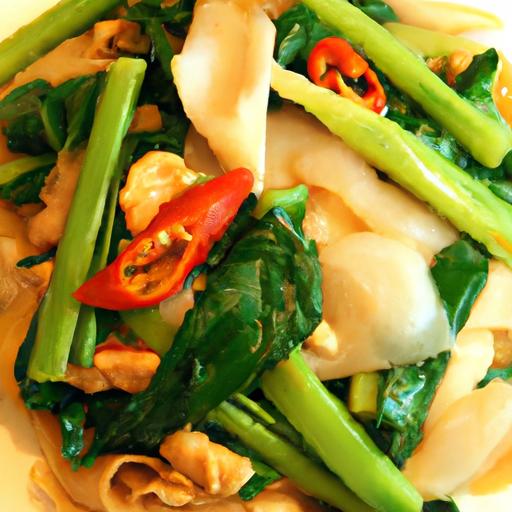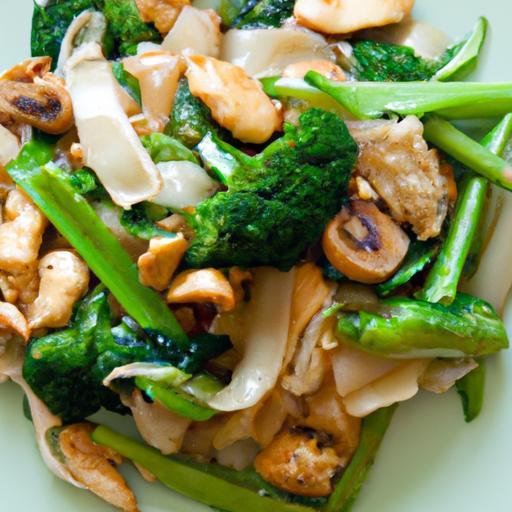
In the vibrant tapestry of Thai cuisine, few dishes capture the heart and palate quite like Vegetable Pad See Ew. This beloved stir-fry delight marries the simplicity of fresh, crisp vegetables wiht the bold, savory notes of dark soy sauce and wide rice noodles, creating a harmonious blend that dances on the tongue. Whether enjoyed as a swift weeknight dinner or a centerpiece at a festive gathering, Vegetable pad See Ew offers a flavorful journey into Thailand’s rich culinary heritage-proving that sometimes, the most unassuming ingredients can come together to create a truly unforgettable meal.
Vegetable Pad See Ew is a vibrant and comforting Thai stir-fry that effortlessly combines bold flavors with satisfying textures. This dish, beloved across Thailand’s bustling street markets, showcases wide rice noodles enveloped in a luscious, savory sauce, harmoniously balanced with crisp vegetables. As a culinary content creator and food stylist, I’ve found this recipe is a perfect canvas for color, texture, and flavor, making it an irresistible highlight on any dinner table.
Prep and Cook Time
- Prep Time: 15 minutes
- Cook Time: 12 minutes
- total Time: 27 minutes
Yield
Serves 3 to 4 hungry diners
Difficulty Level
easy to Medium – Ideal for home cooks looking to master the stir-fry technique and Thai flavors
Ingredients that Bring Vegetable Pad See Ew to Life
- 200g wide rice noodles, soaked in warm water until pliable
- 2 tbsp vegetable oil or peanut oil, for stir-frying
- 3 cloves garlic, finely minced
- 1 cup Chinese broccoli (gai lan), roughly chopped (stems and leaves separated)
- 1 medium carrot, julienned for crunch and color
- 1 cup shiitake mushrooms, sliced thinly
- 2 large eggs, lightly beaten
- 2 tbsp light soy sauce (ensure no pork-based additives)
- 1 tbsp dark soy sauce – for striking color and caramel depth
- 1 tbsp oyster sauce (vegetarian or mushroom-based option if preferred)
- 1 tsp sugar, to balance the savory notes
- Fresh ground white pepper, to taste
- Spring onions, sliced thinly for garnish
- Chili flakes or fresh sliced chili, optional, for spice lovers
Mastering the Stir-Fry Technique for Perfect Texture
- Prepare the noodles: Soak the wide rice noodles in warm water until soft but still slightly firm-crucial so they don’t overcook in the wok.
- Heat the wok: Use a well-seasoned wok or heavy skillet over high heat. Add vegetable oil and swirl until shimmering but not smoking.
- Sauté the aromatics: Add minced garlic and stir quickly until fragrant, about 20 seconds. Be careful to avoid burning as it will turn bitter.
- Introduce the vegetables: Stir-fry the gai lan stems and carrots first-they take longer to soften.After 2 minutes, add the leaves and mushrooms. Cook until vibrant and slightly tender, about 3 minutes.
- Push veggies aside: Create a clearing in the wok and pour in the beaten eggs. Allow to set slightly, then scramble, folding into the vegetables.
- Add noodles and sauces: Drain noodles and add them to the wok. Pour in the light soy sauce, dark soy sauce, oyster sauce, and sugar.Toss everything briskly-use a spatula to flip and fold the noodles gently so they absorb the sauce without breaking.
- Finish with seasoning: Sprinkle with white pepper and toss once more. Remove from heat just before the noodles appear shiny and slightly caramelized to avoid sogginess.
Balancing Flavors with Sauces and Seasonings
The magic of Vegetable Pad See Ew lies in the delicate interplay of salty, sweet, and umami notes. Light soy sauce adds saltiness without overwhelming the ingredients, while dark soy sauce imparts lovely color and a subtle sweetness that caramelizes during cooking. Conventional oyster sauce brings depth,but a vegetarian substitute like mushroom sauce works beautifully for a fully plant-based meal.
Don’t underestimate the pinch of white pepper-it brightens the flavor, adding a gentle warmth that complements rather than competes with the rich sauce. A small dash of sugar brings it all together, softening the edges and elevating the dish’s signature comforting profile.
Serving Suggestions and Creative Variations for Every Palate
Present the Vegetable Pad See Ew on a large, flat platter or evenly portion onto plates, garnished with sliced spring onions and an extra sprinkle of sesame seeds or toasted peanuts for crunch. A wedge of lime on the side offers a zesty contrast that refreshes the palate.
For those who love extra heat, serve with chili flakes or fresh Thai bird’s eye chilies on the side. You can also add a handful of crispy shallots or fried garlic flakes for aromatic crunch.
Creative variations include:
- Substituting gai lan with baby bok choy or kale for a diffrent leafy green profile
- Adding firm tofu cubes for extra protein and texture
- Incorporating other colorful veggies like bell peppers or snap peas for visual interest
- Infusing the sauce with a splash of tamarind paste for tangy complexity
Chef’s Notes: Tips for Success
- Use day-old rice noodles if available-they hold up better in the wok and have improved texture.
- Do not overcrowd the wok. Cook in batches if necessary to maintain high heat and prevent steaming.
- Adjust sauce quantities according to your taste; the balance of saltiness and sweetness is key.
- Make ahead: Prepare fresh vegetables and sauces in advance to speed up the stir-fry process.
Nutrition Facts per Serving
| Nutrient | Amount |
|---|---|
| Calories | 320 kcal |
| Protein | 10 g |
| Carbohydrates | 50 g |
| Fat | 7 g |

Discover more about Thai stir-fry techniques and ingredients in our extensive guide to thai stir-fry essentials and expand your flavor repertoire. For deeper insights into the cultural roots and nutritional benefits of Thai noodles, visit Britannica’s overview of Thai cuisine.
Q&A
Q&A: Exploring the Delightful World of Vegetable Pad See Ew
Q1: What is Vegetable Pad See Ew?
A: Vegetable Pad See Ew is a vibrant and savory thai stir-fry dish renowned for it’s luscious wide rice noodles tossed in a smoky, sweet-salty sauce. Brimming with fresh vegetables, this dish highlights the perfect harmony of flavors and textures characteristic of authentic Thai cuisine.
Q2: What makes Pad See Ew different from other thai noodle dishes?
A: Unlike lighter noodle soups or spicy stir-fries like Pad Thai, pad see Ew boasts a rich, slightly caramelized sauce that clings to thick, flat rice noodles. The stir-fry process over high heat creates a signature ‘wok hei’-a smoky, charred essence that elevates the dish’s depth and complexity.
Q3: Which vegetables work best in Vegetable Pad See Ew?
A: Crisp yet tender vegetables like Chinese broccoli (gai lan), baby bok choy, bell peppers, carrots, and snap peas beautifully complement the noodles. Their natural sweetness and crunch contrast nicely with the rich sauce,making every bite exciting.
Q4: What are the key ingredients that define the sauce?
A: The sauce harmony is crafted from a blend of dark soy sauce, light soy sauce, and a touch of sweetener like palm sugar. These ingredients create a balanced taste that’s sweet, salty, and deeply umami, which coats the noodles and veggies flawlessly.
Q5: Is Vegetable Pad See Ew suitable for vegetarians and vegans?
A: absolutely! When prepared with plant-based sauces and fresh vegetables, Pad See Ew is a wholesome, satisfying option for both vegetarians and vegans. just be sure to check that your soy sauces do not contain any hidden animal products.
Q6: can I customize the dish to match different taste preferences?
A: Yes! Pad See Ew is wonderfully flexible. If you prefer a bit more boldness,add crushed chili flakes or a squeeze of lime to brighten the flavors. For extra texture, toss in crunchy peanuts or toasted sesame seeds as a garnish.
Q7: How do I achieve the perfect ‘wok hei’ at home?
A: To channel authentic ‘wok hei,’ cook on very high heat with a well-seasoned wok or skillet. Make sure ingredients are dry before stir-frying, cook in small batches to avoid steaming, and stir quickly to develop that signature smoky char without burning.
Q8: What’s a simple way to serve Vegetable Pad See Ew?
A: serve it piping hot, straight from the wok, garnished with fresh cilantro or green onions. Pair it with a side of steamed jasmine rice or enjoy it all on its own as a hearty vegetarian main course.
Q9: Can this dish be meal-prepped or enjoyed as leftovers?
A: Definitely! Vegetable Pad See Ew holds up well in the fridge for a day or two. When reheating, add a splash of water or soy sauce and stir-fry briefly to revive its moistness and flavor.
Q10: Why is Vegetable Pad See Ew a great dish to cook at home?
A: It’s a quick, nutritious, and inviting way to explore Thai flavors right in your kitchen. With its simple ingredients and flexible preparation, Vegetable Pad See Ew offers a delicious escape into Southeast Asia’s culinary tradition without the need for exotic tools or complex steps.
The Conclusion
In the vibrant world of Thai cuisine, Vegetable Pad see Ew stands out as a harmonious blend of simplicity and bold flavors. This stir-fried delight, with its tender rice noodles, crisp vegetables, and savory sauce, invites both novices and seasoned food lovers to explore the rich culinary traditions of thailand. Whether enjoyed at a bustling street market or recreated in your own kitchen,each bite tells a story of balance,freshness,and a timeless love for good food. So next time you’re craving a dish that’s as nourishing as it is indeed flavorful, let Vegetable Pad See Ew be your delicious passport to a taste adventure worth savoring.