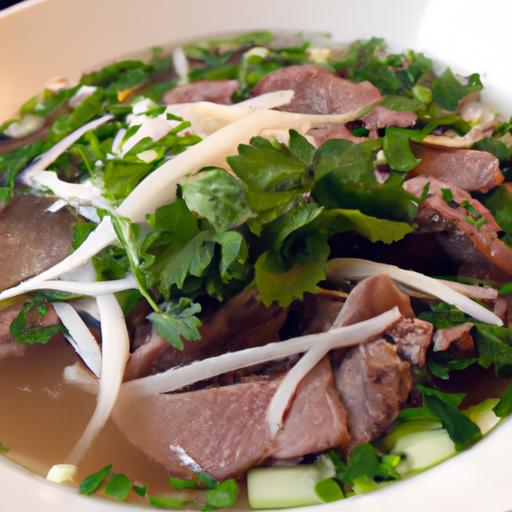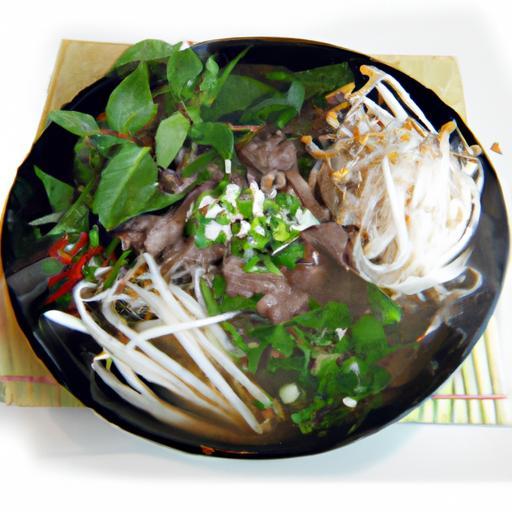
In the bustling streets of Vietnam, where every corner brims with vibrant colors and tantalizing scents, one dish reigns supreme: pho.More than just a bowl of soup, Vietnamese pho is a timeless culinary masterpiece-an aromatic symphony of simmered beef, fragrant spices, and delicate rice noodles that tells a story of heritage, craftsmanship, and soul. This article embarks on a flavorful journey to unveil the art behind pho’s irresistible allure, revealing how tradition and technique come together to create a comforting broth that has captured hearts worldwide. Prepare to immerse yourself in the sensory world of Vietnamese pho, where every spoonful is a celebration of culture and culinary artistry.
The Rich History and Cultural Importance of Pho
vietnamese Pho Unveiled: the Art of Aromatic Beef Soup is more than a recipe-it’s a journey through time and culture. Originating in Northern Vietnam in the early 20th century, pho evolved from humble street stalls to a cherished national symbol. This iconic broth-based dish reflects the country’s resilience, its blending of regional ingredients, and the Vietnamese philosophy of balance and harmony in flavor.
Pho’s rise to global fame coincided with diaspora movements, introducing its soul-warming essence to dining tables worldwide. Traditionally eaten at dawn or dusk, pho embodies comfort, community, and celebration. Every bowl tells a story of painstaking planning, where aromatic spices and premium beef cuts come together in perfect harmony, inviting you to savor not just a meal, but an experience rich with history and heart.
Mastering the Pho Broth: Secrets to Deep, Aromatic Flavors
at the heart of Vietnamese Pho Unveiled: The Art of Aromatic Beef Soup lies its soul-the broth.Achieving that crystalline, complex depth requires patience and attention to detail. Start with a robust base of boiled beef bones: knuckle, marrow, and oxtail are excellent for extracting collagen and gelatin, which give the broth its silky mouthfeel.
To unlock the characteristic aroma, char whole spices such as star anise, cinnamon sticks, cloves, cardamom pods, coriander seeds, and fennel seeds over dry heat until fragrant. This toasting step intensifies their natural oils and infuses the broth with warmth and spice notes. Fresh ginger and yellow onions, blistered by direct flame or broiled until their skins blacken, add a slight smokiness and sweetness that balance the broth’s savoriness.
Simmer your bones and aromatics gently for 6 to 8 hours, skimming impurities regularly to keep the broth clear.A final seasoning with fish sauce and rock sugar will fine-tune the umami and subtle sweetness essential to authentic pho.This slow-cooked process is the cornerstone of an unforgettable bowl.
Choosing the Perfect Beef Cuts for authentic Pho Experience
The selection of beef elevates Vietnamese Pho Unveiled: The Art of Aromatic Beef Soup from simple soup to a culinary masterpiece. The classic combination often involves thinly sliced eye round or sirloin served raw atop piping hot broth, where it cooks gently just before eating-offering tender, melt-in-your-mouth texture.
Complement these with brisket for rich, fatty layers; flank steak for lean chewiness; and tendon or tripe for those who appreciate unique textural contrasts. Each cut contributes distinct flavors and bite, allowing you to customize your pho bowl to your preferences without sacrificing authenticity. Remember to slice beef thinly across the grain for tenderness and ease of cooking.
Essential Herbs and Garnishes to Elevate Your Pho Bowl
The aromatic harmony of Vietnamese Pho Unveiled: The Art of Aromatic Beef Soup wouldn’t be complete without its fresh garden of herbs and bold garnishes. Crisp bean sprouts provide a refreshing crunch, while fragrant Thai basil adds peppery brightness. Tender culantro imparts a citrusy, herbal punch that complements the broth’s warmth.
Thinly sliced white onions and scallions lend mild sweetness; fresh lime wedges offer zesty acidity,encouraging diners to brighten each spoonful as they wish. Slices of fiery bird’s eye chili or jalapeño deliver optional heat, while hoisin sauce and Sriracha bring savory-sweet and spicy depth for dipping or swirling.
these accompaniments allow for personalized bowls, making every serving a deliciously interactive experience that honors the Vietnamese tradition of communal dining and balance in taste, texture, and aroma.
Prep and Cook Time
- Preparation: 45 minutes
- Broth Simmering: 6 to 8 hours
- Total Time: Approximately 7 to 8.5 hours
Yield
Serves 6 hearty bowls of pho
Difficulty Level
Medium – requires time and attention but straightforward techniques
Ingredients
- 5 lbs beef bones (knuckle, marrow, oxtail), blanched
- 2 large yellow onions, peeled and halved
- 1 large ginger root (about 5 inches), halved lengthwise
- 5 star anise pods, toasted
- 3 cinnamon sticks, toasted
- 5 cloves, toasted
- 1 tablespoon coriander seeds, toasted
- 1 tablespoon fennel seeds, toasted
- 1 tablespoon salt
- 1/4 cup fish sauce
- 1 teaspoon rock sugar
- 1 lb beef eye round, very thinly sliced
- 1/2 lb brisket, thinly sliced and cooked
- Optional: beef tendon or tripe, cleaned and cooked
- Rice noodles (pho noodles), prepared per package instructions
- fresh herbs: Thai basil, culantro, mint
- Bean sprouts
- Lime wedges
- Sliced jalapeño or bird’s eye chili
- Thinly sliced white onions and scallions
- Hoisin sauce and Sriracha, for serving
instructions
- Prepare the bones: Place beef bones in a large stockpot and cover with cold water. Bring to a vigorous boil for 10 minutes. Drain and rinse bones thoroughly to remove excess scum for a clear broth.
- char aromatics: Over an open flame or under a broiler, char the halved onions and ginger until blackened on the surface (about 5-7 minutes). this adds a smoky sweetness to the broth.
- Toast spices: Dry toast star anise, cinnamon, cloves, coriander, and fennel seeds in a pan over medium heat until aromatic, about 3-5 minutes. Place toasted spices in a spice bag or tie in cheesecloth for easy removal later.
- Simmer the broth: Refill the pot with 6 quarts of fresh water and add cleaned bones, charred onions, ginger, toasted spice bag, and salt.Bring to a boil, then reduce to a low simmer. Skim impurities regularly to maintain broth clarity. Simmer uncovered for at least 6 hours,ideally 8,to fully develop flavor.
- Season the broth: After simmering, strain broth through a fine mesh sieve into a clean pot. Discard solids. add fish sauce and rock sugar, adjusting to taste. Keep broth hot for serving.
- Prepare noodles: Soak or boil pho noodles according to package instructions,drain,and set aside.
- Slice beef: Freeze beef eye round slightly for 20 minutes to facilitate thin slicing across the grain. Thin slices will cook perfectly when ladled with hot broth.
- Assemble bowls: Divide noodles between bowls, arrange brisket (and tendon/tripe if used) atop noodles. Layer raw sliced eye round over brisket. Ladle steaming hot broth over the beef slices to gently cook them.
- Garnish and serve: Present with an array of fresh herbs, bean sprouts, lime wedges, sliced onions, chilies, hoisin, and Sriracha on the side for personalized garnishing.
Tips for Success
- Clear broth: Skimming scum regularly is essential for a crystal-clear, refined pho broth.
- Spice balances: Don’t skip toasting the spices; it deepens aroma and prevents bitterness.
- Make-ahead broth: Pho broth freezes beautifully for up to 3 months. Prepare in bulk to save time on future meals.
- Beef slicing tip: Use a very sharp knife or meat slicer; the thinner, the better for melt-in-the-mouth tenderness.
- Creative variations: Substitute brisket with beef chuck for a richer flavor, or add shiitake mushrooms for an umami twist.
Serving Suggestions
Serve Vietnamese Pho Unveiled: The Art of Aromatic Beef Soup in deep bowls, layered with slippery pho noodles and tender beef slices submerged in fragrant broth. Encourage guests to personalize their bowls with fresh herbs-Thai basil’s peppery hints, culantro’s citrus punch, and lime’s shining tang all harmonize magnificently with the broth. Add bean sprouts for crisp contrast and fresh chilies for a spicy edge. Side condiments like hoisin and Sriracha invite creative flavoring, transforming each spoonful into an interactive feast.
Pair this pho bowl with light Vietnamese iced coffee or jasmine tea to complete a soulful meal that nourishes body and soul.

| Nutrient | Per Serving |
|---|---|
| Calories | 370 kcal |
| Protein | 32 g |
| Carbohydrates | 40 g |
| Fat | 8 g |
For a deeper dive into Vietnamese culinary traditions, check out our complete herb garnishes guide. Also, explore the Encyclopedia Britannica’s insights on pho for historical context and global impact.
Q&A
Vietnamese pho Unveiled: The Art of Aromatic Beef Soup – Q&A
Q1: What makes Vietnamese Pho such a beloved dish around the world?
A1: Pho is much more than just a soup; it’s a fragrant symphony of flavors and aromas that tells a story of Vietnam’s rich culinary heritage. Its delicate yet deeply savory beef broth, combined with fresh herbs and tender noodles, creates a balance that resonates with comfort and authenticity in every spoonful.Q2: How is the iconic beef broth in Pho traditionally prepared?
A2: The broth is the heart and soul of Pho. It’s crafted by simmering beef bones-often marrow and knuckle bones-alongside charred onions, ginger, and an array of whole spices such as star anise, cinnamon sticks, cloves, coriander seeds, and cardamom. this slow cooking process,sometiems lasting several hours,extracts rich gelatin and infuses the broth with aromatic complexity that’s both soothing and invigorating.Q3: What role do fresh herbs play in enjoying Pho?
A3: Fresh herbs like Thai basil,cilantro,and sawtooth coriander act as the bright,fragrant counterpoints to the hearty broth. They add layers of freshness and texture, allowing each eater to customize their bowl with a burst of herbal essence that enhances the overall sensory experience.
Q4: Why is the choice of beef cuts critically important in Pho?
A4: Pho traditionally features a variety of beef cuts-thinly sliced raw beef brisket, well-cooked flank, and sometimes tendon or tripe-each contributing unique textures and flavors. The raw slices gently cook in the steaming broth at the table, offering a tender bite that contrasts beautifully with the chewy or silky textures of other cuts.
Q5: How do the rice noodles contribute to the magic of Pho?
A5: The flat rice noodles,known as bánh phở,provide a neutral,silky canvas that absorbs the broth’s richness without overpowering it. Their delicate chewiness complements the meat and herbs, creating a harmonious balance that embodies the dish’s elegance and simplicity.
Q6: Can you describe the traditional garnishes served with Pho?
A6: Alongside a steaming bowl, diners typically find plates of lime wedges, bean sprouts, sliced chili peppers, and hoisin or chili sauces. These garnishes empower each person to tailor their Pho-adding brightness, crunch, heat, or sweetness-to suit personal taste and mood.
Q7: What cultural significance does Pho hold in vietnam?
A7: Pho is more than food; it’s a cultural icon deeply embedded in Vietnamese daily life and celebrations.Often enjoyed as a breakfast staple or a late-night comfort, its preparation and sharing symbolize hospitality and communal warmth, bridging generations and regions through a shared love of tradition.
Q8: How can one best enjoy the sensory experience of Pho?
A8: Savoring Pho is a multisensory ritual.Start by inhaling the fragrant steam, then taste the broth slowly to appreciate its depth, followed by the explosion of fresh herbs and the satisfying texture of noodles and beef. The interplay between aromatic warmth and fresh brightness makes every slurp a moment of mindful enjoyment.
Q9: Are there any tips for making authentic Pho broth at home?
A9: Patience is key. Start by blanching the bones to remove impurities, then roast onions and ginger to deepen flavor before simmering all ingredients gently over several hours. skim the broth frequently for clarity and avoid boiling, which can cloud the soup and toughen the beef. The result is a crystal-clear, deeply aromatic broth that’s the cornerstone of true Pho.
Q10: How has Pho evolved while maintaining its traditional essence?
A10: While staying true to its roots, Pho has embraced regional variations and creative interpretations, showcasing beef cuts differently or adjusting spice blends. Yet, its core remains the same-a masterful balance of aromatic broth, fresh herbs, and tender noodles-preserving the timeless art of Vietnam’s beloved beef soup.
To Wrap It Up
As the steam rises from a bowl of pho, so too does the rich tapestry of Vietnamese culture-layered, vibrant, and deeply rooted in tradition. Beyond the aromatic broth and tender slices of beef lies a story of heritage,craftsmanship,and communal joy. Understanding the art of pho is more than just savoring a meal; it’s an invitation to experience a timeless culinary journey that warms the soul and awakens the senses. Whether you’re a seasoned pho connoisseur or a curious newcomer, each spoonful offers a glimpse into the heart of Vietnam-complex, comforting, and irresistibly delicious. So next time you cradle that bowl, remember: you’re not just eating soup, you’re partaking in a flavorful legacy that continues to unfold with every aromatic breath.